A Guide to Croatian Honey: From Acacia to Honeydew
Discover the flavours of Croatia's diverse honey varieties and how to enjoy them.
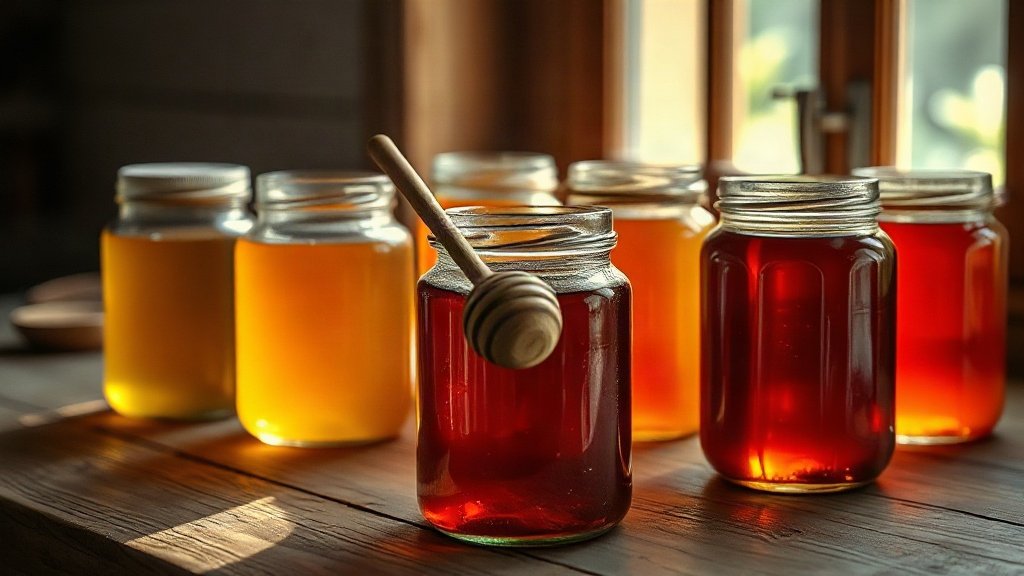
Illustration: AI-generated image
Croatia's long tradition of beekeeping has produced a remarkable range of honey, shaped by the country's diverse landscapes. From the coastal Mediterranean flora to the forests of Gorski Kotar, each region offers distinct nectar sources, resulting in honeys with unique colours, aromas and tastes. Whether you are new to Croatian honey or a seasoned enthusiast, learning to appreciate these differences can turn a simple jar into a daily pleasure.
Common Croatian Honey Varieties
While many beekeepers produce blends, several monofloral honeys are widely recognised and loved:
- Acacia honey – Pale and clear with a delicate, floral sweetness. It is slow to crystallise and perfect for sweetening tea or drizzling over yogurt.
- Chestnut honey – Dark amber with a strong, slightly bitter and mineral taste. Its robust flavour pairs wonderfully with aged cheeses or spooned over warm polenta.
- Lime (linden) honey – Light golden with a fresh, herbal aroma and a hint of mint. It is a classic accompaniment to herbal teas and baked goods.
- Sage honey – Produced along the Adriatic coast, this golden honey has a distinctive herbal note and a smooth, lingering sweetness.
- Honeydew (forest) honey – Dark, almost black, with a malty, less sweet flavour and rich mineral content. It is often enjoyed on its own or with strong black coffee.
- Wildflower honey – A blend of whatever is in bloom, varying by season and location. Its taste can range from fruity to herbal, making each jar a surprise.
How to Taste Honey Like a Local
Tasting honey is a simple but rewarding ritual. Start by looking at the colour and clarity: lighter honeys tend to be milder, while darker ones are more intense. Swirl the honey in the jar or on a spoon and take a deep sniff—aromas can hint at the source, from blossom to bark. Place a small amount on your tongue and let it melt slowly; notice the sweetness, any bitterness, and the finish. Texture matters too: some honeys are silky, others slightly grainy, and that is perfectly natural.
Choosing and Storing Honey
When buying honey in Croatia, look for labels that indicate the floral source and the region. Many small producers sell at local markets, and they are usually happy to let you taste before buying. Honey does not spoil, but it can crystallise over time—especially acacia, which is naturally slow. Crystallisation is a sign of quality, not a defect. To return it to liquid, place the jar in warm water (never boiling) and stir gently. Store honey in a cool, dark place, tightly sealed. Avoid the fridge, as cold temperatures speed up crystallisation.
Enjoying Honey in Everyday Life
Croatian honey is more than a sweetener; it is a versatile ingredient. Drizzle acacia honey over fresh figs or a bowl of cottage cheese for a simple dessert. Pair chestnut honey with strong sheep's cheese or use it to glaze roasted root vegetables. Stir lime honey into a cup of chamomile tea on a cool evening. And for a true local treat, spread forest honey on a slice of warm cornbread. However you enjoy it, Croatian honey brings a taste of the landscape to your table.