A Guide to Croatian Olive Oil: Tasting Tips and Top Regions
Croatian olive oil is among the best in the world, yet often overlooked. Here’s a guide to the country’s top olive-growing regions, how to taste like a pro, and tips for bringing a bottle home.
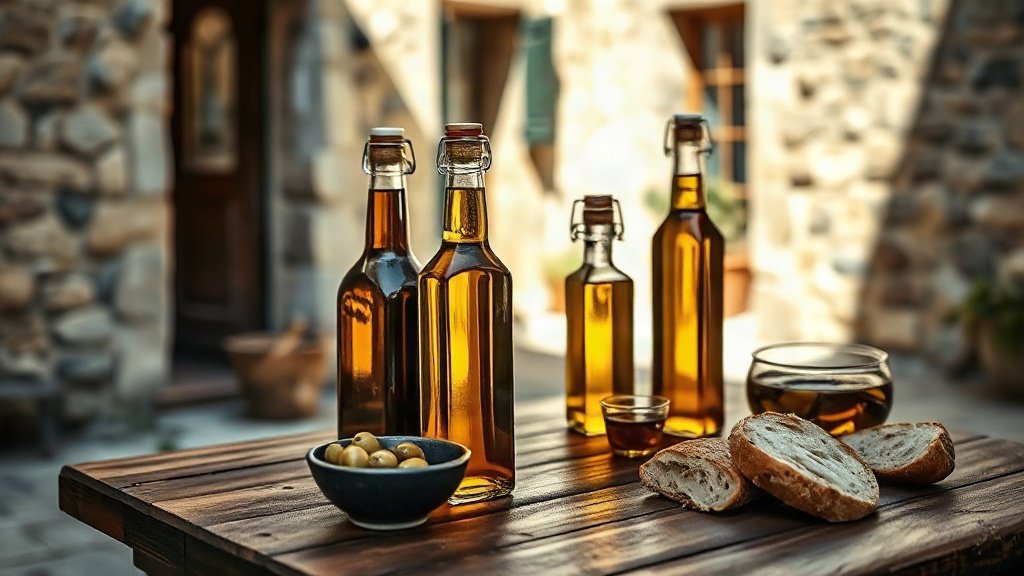
Illustration: AI-generated image
Croatia may be famous for its coastline and medieval towns, but its olive oil is a hidden gem that deserves your attention. With a tradition stretching back to ancient Greek and Roman times, Croatian olive oils regularly win international awards for their quality and distinctive character. From the peppery oils of Istria to the fruity varieties of Dalmatia, each region offers something unique.
Croatia's Olive Growing Regions
Olive groves thrive along the Adriatic coast and on the islands, where the Mediterranean climate provides ideal conditions. The main producing areas are:
- Istria – The northern peninsula is considered Croatia's premier olive oil region. Oils here are typically robust and grassy, with a notable peppery finish. Varieties like Buža, Istarska Bjelica, and Pendolino are common.
- Dalmatia – Stretching from Zadar to Dubrovnik, Dalmatian oils are often fruitier and milder, with notes of artichoke and almond. The island of Brač and the region around Šibenik are particularly renowned.
- Kvarner Islands – Cres, Krk, and Rab produce oils with a balanced profile, often blending local varieties. The harsh bora wind stress on olives can concentrate flavours.
How to Taste Olive Oil
Tasting olive oil is an art, but you can enjoy it casually. Here are simple steps to appreciate the nuances:
- Warm the oil – Pour a little into a small glass and cup it in your hand to bring it to room temperature.
- Smell – Inhale deeply. You might detect grass, tomato leaf, green apple, or herbs.
- Sip – Take a small sip and let it coat your mouth. Draw in some air to release aromas.
- Note the finish – A slight peppery tickle in the throat is a sign of high polyphenols, indicating a healthy, fresh oil.
Buying Tips
When buying Croatian olive oil, look for oils labelled as 'ekstra djevičansko' (extra virgin). Check the harvest date; fresher is better. Small producers often sell directly at local markets or from their farms – don't hesitate to ask for a taste. A good-quality oil can elevate everything from salads to grilled fish, and it makes a perfect souvenir from your travels.