A Guide to Hvar Lace: Croatia's Delicate Agave Needlework
Discover the intricate lace made from agave fibres by Benedictine nuns on the island of Hvar, a living tradition recognised by UNESCO.
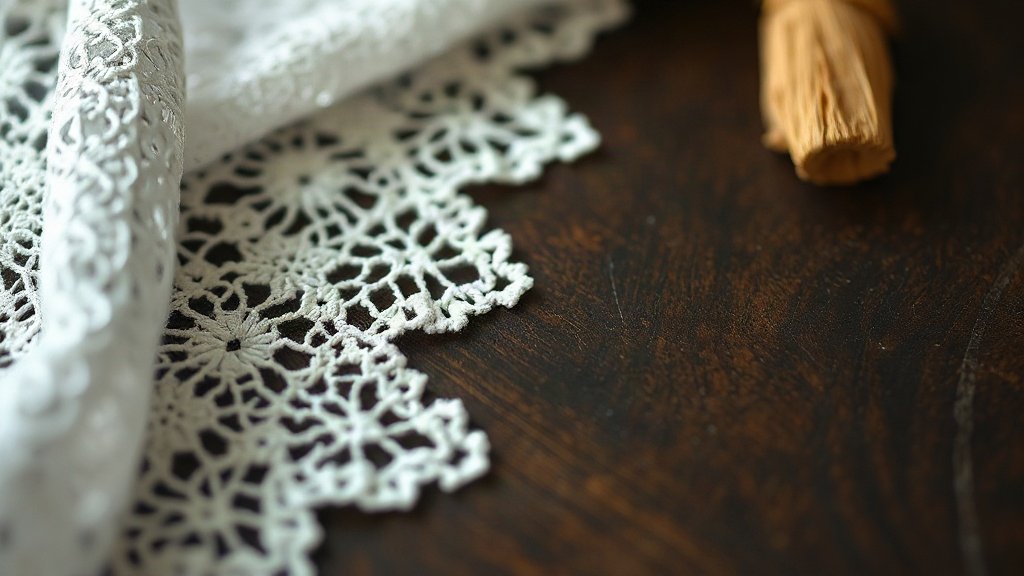
Illustration: AI-generated image
The island of Hvar is famous for its sunshine and lavender, but it also hides a delicate art form that has been practised for centuries: lace made from the fibres of the agave plant. Known simply as Hvar lace, this intricate needlework is created exclusively by the Benedictine nuns of the monastery in Hvar Town, making it one of Croatia's most treasured living traditions.
A Unique Material from a Harsh Plant
Unlike lace made from cotton or linen, Hvar lace uses threads extracted from fresh agave leaves. The leaves are harvested while still young, then specially processed to reveal fine, silvery-white fibres. These fibres are spun into thread and worked into lace using techniques passed down through generations.
The agave plant thrives in the Mediterranean climate, and its spiky leaves might seem an unlikely source for something so fine. But the nuns have perfected the process, which requires patience and skill.
Centuries of Tradition in the Monastery
The exact origins of Hvar lace are unclear, but it has been associated with the Benedictine monastery since at least the 19th century, with some accounts suggesting earlier roots. The self-sufficient community of nuns has preserved the craft, often making lace for church vestments, altar cloths, and special gifts.
Today, visitors to Hvar Town can see examples of this lace at the monastery, where a small collection is displayed. The nuns continue to make new pieces, though production is limited due to the time-intensive process.
Patterns and Products
Hvar lace is characterised by geometric and floral motifs, often inspired by the island's natural environment. Common items include delicate doilies, bookmarks, and decorative pieces for religious use. The lace is typically white or ecru, with a crisp, stiff texture that sets it apart from softer laces.
Recognised by UNESCO
In 2009, lacemaking in Croatia was inscribed on UNESCO's Representative List of the Intangible Cultural Heritage of Humanity. The listing includes three distinct traditions: Lepoglava lace, Pag lace, and Hvar lace, each with its own technique and history. This recognition highlights the cultural importance of the craft and encourages its preservation.
Keeping a Fragile Art Alive
Because each piece is handmade and takes many hours to complete, Hvar lace remains a rare and valuable craft. The nuns train younger members of the community, ensuring that the knowledge is not lost. For travellers, seeing the lace up close offers a glimpse into a quieter, more contemplative side of island life.
Visiting and Learning More
The Benedictine monastery is located in the historic centre of Hvar Town, a short walk from the main square. While the monastery itself is not open to the public, the nuns sometimes welcome visitors to view their work. Local museums and cultural institutions occasionally display examples, offering a chance to appreciate the fine detail.
If you are interested in purchasing a piece, be aware that genuine Hvar lace is not sold in ordinary souvenir shops; it is available through the monastery or authorised outlets. Because of the labour involved, prices reflect the time and skill required.