A Guide to Island Hopping in Croatia by Ferry
Discover how to explore Croatia's stunning islands by ferry, from practical tips to scenic routes, and make the most of your Adriatic adventure.
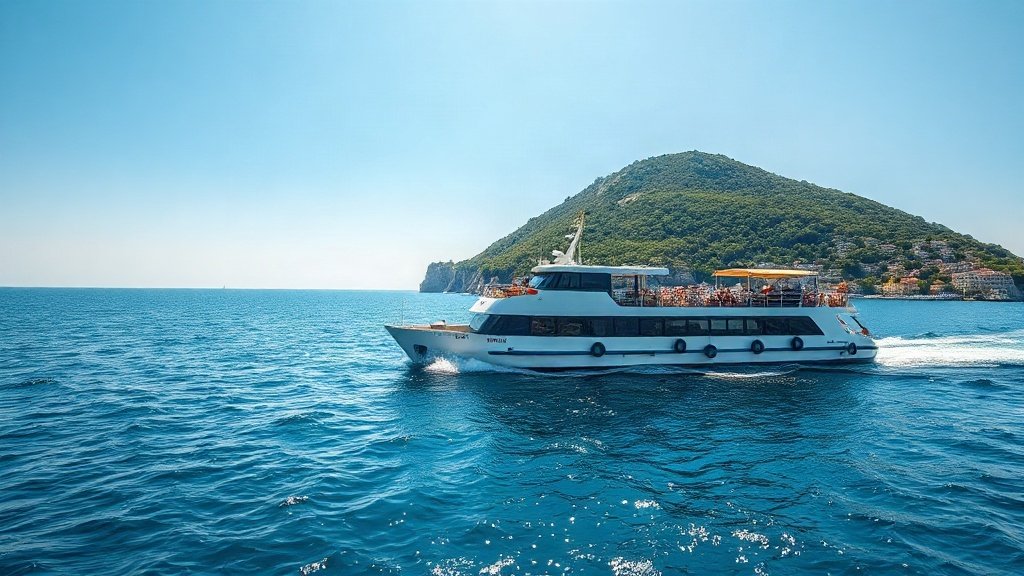
Illustration: AI-generated image
Croatia’s coastline is dotted with over a thousand islands, islets and reefs, each offering its own slice of Adriatic magic. The best way to explore them is by hopping on a ferry or catamaran, which connects the mainland to the islands and links the islands to each other. Whether you’re planning a leisurely multi-day journey or a quick day trip, understanding the ferry system will help you travel with ease.
Understanding the ferry network
Croatia’s ferry network is extensive and well-organised, serving both local residents and visitors. The main hubs are Split, Zadar, Rijeka and Dubrovnik, with frequent connections to the most popular islands. Ferries carry vehicles as well as passengers, while faster catamarans are passenger-only and often reach islands in half the time. Both types run year-round, though schedules are reduced outside the summer season.
The state-owned ferry company operates most routes, but private operators also run high-speed services, particularly between Split and the central Dalmatian islands. Timetables are widely available online and at port ticket offices, and it’s always wise to check the latest schedules before you travel, as they can change with the seasons.
Planning your island-hopping route
Split is the ideal starting point for exploring the islands of central Dalmatia, such as Brač, Hvar, Vis, Korčula and Lastovo. From Split, ferries and catamarans depart regularly, allowing you to visit several islands in a single trip. For example, you could take a morning catamaran to Hvar, spend a few hours exploring the town, then catch an afternoon ferry to Brač for an overnight stay.
Further south, Dubrovnik serves as a gateway to the Elafiti Islands, Mljet and Korčula. In the north, Rijeka and Zadar provide access to the Kvarner and northern Dalmatian islands, including Cres, Krk, Rab, Pag and Dugi Otok. Each island has its own character, from the pine-scented hills of Lošinj to the dramatic cliffs of Dugi Otok.
Practical tips for ferry travel
When travelling by ferry, it’s a good idea to arrive at the port at least 30 minutes before departure, especially in summer when queues can be long. Tickets can be purchased online, at port offices or from travel agencies, and prices vary depending on the route, season and type of vessel. If you’re bringing a car, book well in advance for peak season, as vehicle spaces fill up quickly.
For foot passengers, luggage is generally included in the ticket price, but large items like bicycles may incur an extra fee. Most ferries have indoor seating, open decks and a café or snack bar, while catamarans offer comfortable airline-style seats. Remember that sea conditions can affect schedules, so allow some flexibility in your plans.
Island hopping by ferry is not just a means of transport—it’s part of the adventure. Gliding across turquoise waters, watching islands appear on the horizon, and docking in picturesque harbours are experiences that define a Croatian holiday. With a little planning, you can create an unforgettable journey through the Adriatic.