A Guide to the Neretva Valley: Croatia's Green Delta
The Neretva Valley is a lush, watery corner of southern Dalmatia, where traditional wooden boats glide past tangerine orchards and herons stalk the shallows. Here’s how to explore it.
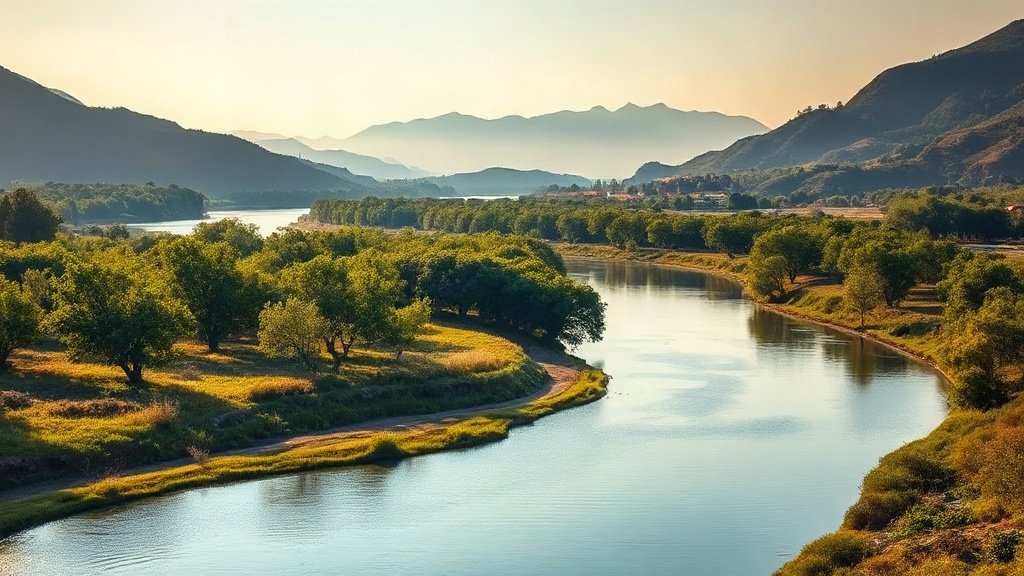
Illustration: AI-generated image
The Neretva Valley is one of Croatia's most unexpected landscapes. While most visitors head for the rocky coast and pine-clad islands, this fertile floodplain in the far south of Dalmatia offers a lush, green contrast – a world of slow rivers, wetlands and small family plots where tangerines, watermelons and rice have been grown for generations.
A river delta unlike any other
The River Neretva flows for around 225 kilometres from Bosnia and Herzegovina before emptying into the Adriatic near the town of Ploče. Its final stretch through Croatia forms a wide, braided delta, criss-crossed by canals and irrigation channels. Much of the valley sits below sea level, protected by a network of embankments, which gives the area a distinctly Dutch feel – but with Mediterranean warmth.
Traditional boats and quiet waterways
The most memorable way to explore the valley is by traditional wooden boat, known locally as a lađa or trupica. These flat-bottomed vessels have been used for centuries to ferry people and produce along the narrow channels. Today, local boatmen still offer gentle trips through the reeds, passing herons, egrets and the occasional kingfisher. It is a slow, silent experience – far removed from the bustle of beach resorts.
Birdwatching and wetland nature
The delta is an important stopover for migratory birds and a haven for wetland species. The ornithological reserve at Prud and the wider Neretva Delta are recognised as a Ramsar site. Bring binoculars if you can: from the water or the quiet dyke paths you might spot purple herons, little egrets, marsh harriers and, in winter, flocks of waders. Early morning or late afternoon are the best times for bird activity.
A landscape of small family farms
The valley is not a wilderness but a working agricultural landscape, divided into small plots separated by channels. Many families still tend their groves by hand, and the tangerine harvest in late autumn turns the fields vivid orange. Look for roadside stalls selling seasonal fruit and local honey. The famous Neretva mandarins have protected geographical status, and the region also produces excellent watermelons and figs.
Practical tips for visiting
The valley is easily reached from the coastal towns of Ploče, Opuzen or Metković, and can be explored by car, bicycle or on foot along the quiet lanes atop the dykes. Cycling is particularly pleasant on the flat terrain, though some paths are unpaved. For a boat trip, ask locally – there are simple, family-run operations that will tailor a short ride to your interests. No special equipment is needed, but do bring sun protection and insect repellent in warmer months.
Whether you come for the birds, the boats or simply a change of pace, the Neretva Valley offers a slice of rural Croatia that feels a world away from the coast – yet is only a short drive inland.