A Hiker's Guide to Paklenica National Park, Croatia
Discover Paklenica National Park, a hiker's haven in the Velebit mountains with dramatic canyons, challenging trails and world-class rock climbing, all within easy reach of Zadar.
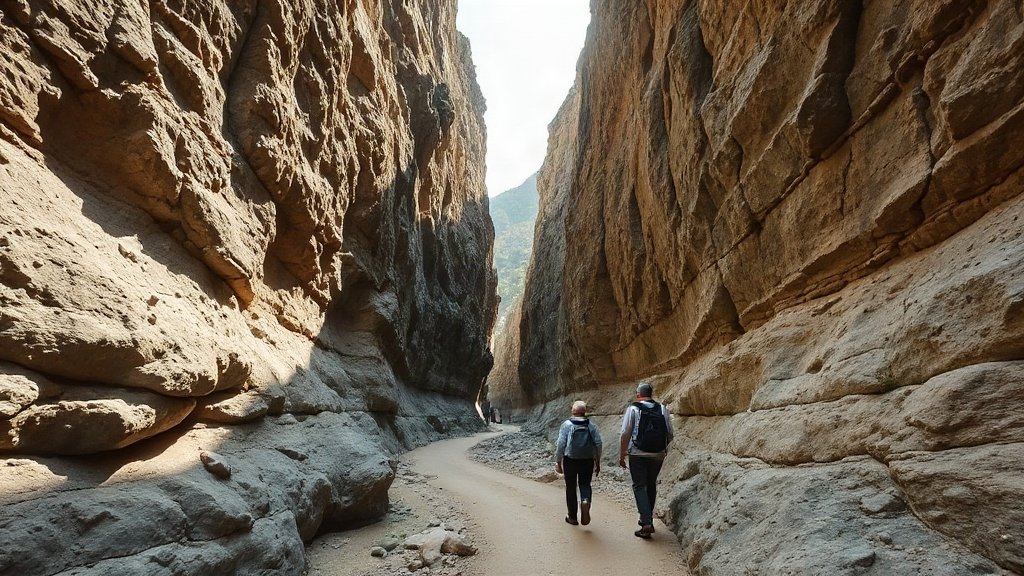
Illustration: AI-generated image
Rising steeply from the Adriatic coast, Paklenica National Park is a dramatic karst landscape of deep canyons, limestone cliffs and ancient beech forests. Part of the Velebit mountain range and a UNESCO Biosphere Reserve, the park covers just 95 square kilometres but packs in some of Croatia's finest hiking and rock climbing. Located near the town of Starigrad, about 45 minutes' drive from Zadar, it makes an ideal day trip or weekend adventure.
Two Canyons, Endless Possibilities
The park's name comes from paklina, a resin once harvested from black pines, but visitors remember it for its geology. Velika Paklenica and Mala Paklenica are two parallel canyons cut deep into the mountain. The Velika Paklenica canyon is the main artery: a wide, gravel-floored valley that narrows between towering walls, with a clear stream running through in spring and autumn. Hiking here feels like entering a natural cathedral.
Trails for Every Level
Well-marked paths radiate from the park entrance. An easy and popular option is the walk to Manita peć, a cave with impressive stalactites and stalagmites. The trail climbs gently through woodland and takes about 1.5 to 2 hours return; guided cave visits are available in season. For a moderate hike, continue up the canyon towards Lugarnica, a forest house that once sheltered lumberjacks, now a quiet rest spot. Experienced hikers can tackle the ascent to Planinarski dom Paklenica, a mountain hut at 480 metres, or push on to Sveto Brdo (1,753 m), the park's highest peak, a demanding full-day outing with breathtaking views of the Adriatic and the islands.
A Climber's Paradise
Paklenica is one of Europe's top rock climbing destinations, with over 500 bolted routes on solid limestone. The most iconic wall is Anića kuk, a 350-metre vertical face that draws climbers from around the world. Even if you don't climb, watching the tiny figures against the massive rock is a humbling sight. Note that some areas are restricted to protect nesting birds, so always check current rules.
Practical Tips
- When to go: Spring and autumn offer the best conditions—mild temperatures and flowing water. Summer can be very hot, so start early and carry plenty of water. Winter is possible but some trails may be icy or closed.
- What to bring: Sturdy walking shoes or boots, a hat, sunscreen, at least 1.5 litres of water per person, a light jacket (weather changes quickly in the mountains), and a map or offline GPS. Mobile signal is good near the entrance but fades deeper in the park.
- Fees and access: There is a modest entrance fee, payable at the park entrance in Velika Paklenica. Parking is available nearby; arrive before 9am in high season to secure a spot.
- Getting there: By car, take the A1 motorway to Maslenica or Rovanjska exits, then follow signs to Starigrad. Public buses run from Zadar to Starigrad several times a day; from the bus stop it's a 10-minute walk to the park entrance.
Whether you have two hours or two days, Paklenica rewards every step with raw, unspoilt nature. It is a place to slow down, breathe the pine-scented air and remember why Croatia is more than just a beach destination.