A Slow Guide to Rab: Medieval Bell Towers and Sandy Beaches
Rab island in the Kvarner Gulf charms with a historic old town, rare sandy beaches, and a relaxed pace perfect for slow travel.
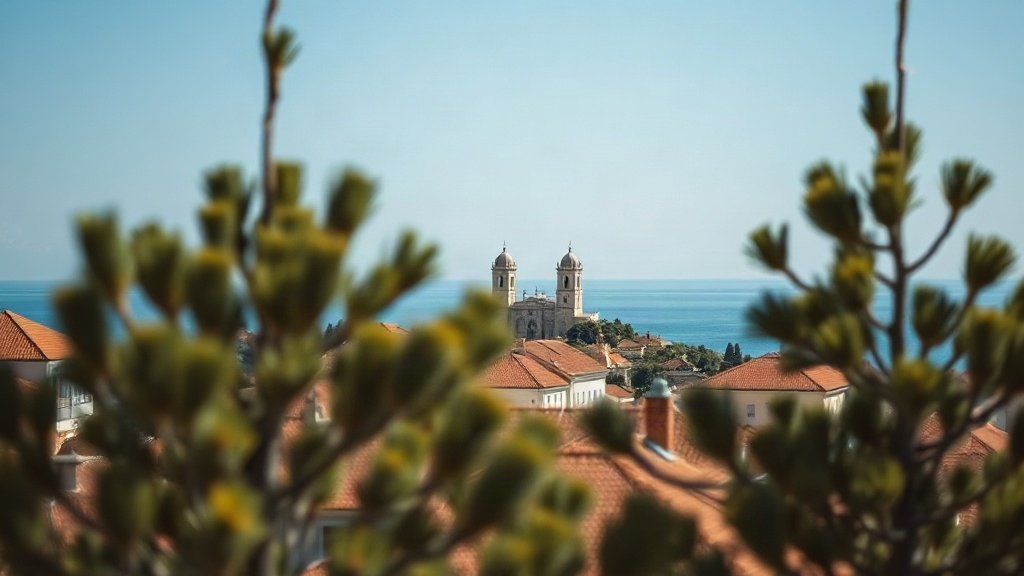
Illustration: AI-generated image
Often called the sunniest island in the Adriatic, Rab offers a rare combination of medieval architecture, lush pine forests and genuine sandy beaches. Tucked in the Kvarner Gulf between the mainland and the larger island of Krk, Rab has drawn visitors for over a century, yet it still feels unhurried and authentic. If your idea of a perfect holiday involves wandering stone streets, swimming in calm azure water and watching the sunset from a hilltop terrace, Rab deserves a spot on your Croatian itinerary.
Getting There and Getting Around
Rab is connected to the mainland by regular car ferries. The most common routes are from Stinica on the mainland to Mišnjak on Rab's southern tip, or from Valbiska on Krk to Lopar in the north. Both crossings take under half an hour, making the island an easy add-on to a Kvarner road trip. Once on Rab, you can explore by car, but the island's modest size makes it ideal for cycling or even walking between the main settlements. Local buses connect Rab Town with Lopar and other villages, and taxis are available.
The Old Town: A Medieval Gem
Rab Town, the island's historic heart, sits on a narrow peninsula jutting into the sea. Its skyline is dominated by four elegant bell towers, each belonging to a different church and each with a distinct silhouette. Climbing the bell tower of the Church of St. Mary the Great rewards you with panoramic views over terracotta rooftops, the harbour and the surrounding islands.
Wander the maze of marble-paved lanes, where Romanesque houses with carved portals sit beside Renaissance palaces. The town walls, largely intact, offer a pleasant stroll with sea views, and the main square, Trg Municipium Arba, is a perfect spot for a coffee while soaking up the atmosphere. Don't miss Komrčar Park, a green oasis of pines and cypresses that stretches along the western shore, created over a century ago as a public garden.
Beaches: Sandy, Pebbly and Family-Friendly
Unlike much of Croatia's rocky coastline, Rab boasts several sandy beaches, particularly around the northern town of Lopar. The most famous is Rajska Plaža, or Paradise Beach, a shallow crescent of fine sand that extends far into the sea, making it wonderfully safe for children. Nearby Sahara Beach and Ciganka Beach are more secluded, backed by dunes and fragrant pines.
Elsewhere, the coastline alternates between pebbly coves and rocky shelves, often with crystal-clear water ideal for snorkelling. Many beaches are equipped with showers and changing cabins in summer, but even the busiest spots retain a laid-back feel. For solitude, take a short boat ride to the small island of Goli Otok or explore the hidden bays around the southern peninsula.
Beyond the Town: Hills, Vistas and Village Life
Rab is not just about the coast. Hike or drive up to Kamenjak, the island's highest peak, for sweeping views across the Kvarner Gulf to Velebit mountain on the mainland. The trail passes through scented macchia and offers a refreshing breeze on hot days. In the interior, villages like Mundanije and Supetarska Draga preserve traditional stone architecture and a slower rhythm of life, with small konobas serving local lamb, seafood and homemade wine.
Whether you come for the beaches, the history or simply to slow down, Rab rewards those who take their time. Its compact size invites unhurried exploration, and the blend of cultural heritage and natural beauty makes it a classic Croatian destination that never feels crowded or rushed.