A Slow Guide to Šolta: Olive Groves and Quiet Bays
Just a short ferry ride from Split, Šolta offers a slower pace of life with olive groves, honey, and hidden coves.
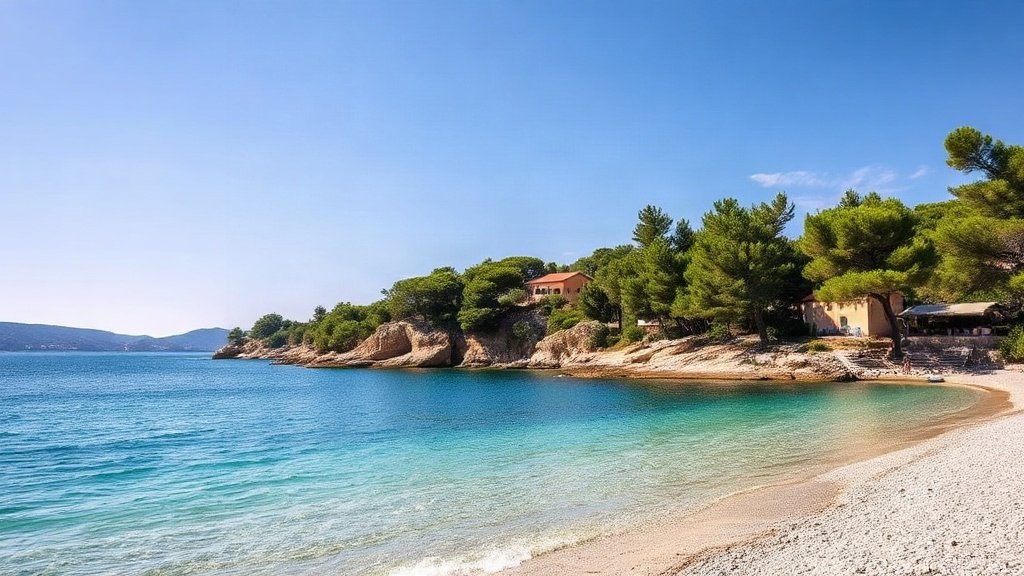
Illustration: AI-generated image
Šolta is the quiet neighbour of the central Dalmatian islands. Less visited than nearby Brač and Hvar, it rewards travellers with a gentle rhythm of life, ancient olive groves, and a coastline of small, sheltered bays. A short ferry crossing from Split makes it an easy escape for a day or a longer, slower stay.
Getting There and Around
Regular car ferries and passenger catamarans connect Split with Rogač, Šolta's main port. The journey takes about an hour by ferry or less by catamaran. Once on the island, local buses link the main villages, but having your own wheels—a car, scooter, or bicycle—gives you the freedom to explore hidden corners. The island is small enough to cross in under an hour by car.
Villages and Landmarks
The island's inland capital, Grohote, sits at the centre of Šolta's agricultural heart. Its stone houses and quiet lanes reflect centuries of farming life. Nearby, the village of Gornje Selo is known for its well-preserved traditional architecture.
On the northern coast, Stomorska is the oldest coastal settlement, with a picturesque harbour and a relaxed waterfront. Further west, Maslinica on the island's western tip faces a small archipelago of islets and offers one of the most scenic sunsets in the region. Its 18th-century castle, once the residence of a noble family, now adds to the village's charm.
Beaches and Swimming
Šolta's coastline is mostly rocky with pebble and concrete bathing areas rather than long sandy beaches. Popular spots include:
- Nečujam – the largest bay on the island, with several small coves and shallow, clear water ideal for families.
- Livka – a quiet pebble beach on the southern shore, backed by pine trees.
- Šešula – a deep, sheltered bay near Maslinica, perfect for anchoring boats and swimming in calm water.
Olive Oil and Honey
Šolta has been known for its olive oil since ancient times. The island's olive groves, some centuries old, produce a distinctive, peppery oil that is a staple of local cuisine. Look for it in village shops or taste it at a family-run konoba.
Beekeeping is another long tradition, and Šolta's honey—often flavoured with rosemary, sage, or heather—makes a wonderful souvenir. Many producers sell directly from their homes, so keep an eye out for handwritten signs.
Walking and Cycling
The island's network of old field paths and country lanes is ideal for walking and cycling. A popular route leads from Grohote through olive groves to the coast at Stomorska. The terrain is gentle, though some sections are unpaved, so sturdy shoes are recommended. Cyclists will find little traffic, especially outside the summer peak.
Practical Tips
Šolta is at its best from late spring to early autumn, when the sea is warm and the days are long. July and August are busier, but still calm compared to neighbouring islands. Bring cash for small purchases, as some family-run shops and konobas may not accept cards. Sunscreen, a hat, and water are essential for outdoor activities, as shade can be limited on the open paths.