Balote: A Guide to Croatia's Beloved Traditional Bowls Game
Learn the basics of balote, the social bowling game played in village squares across Dalmatia and Istria.
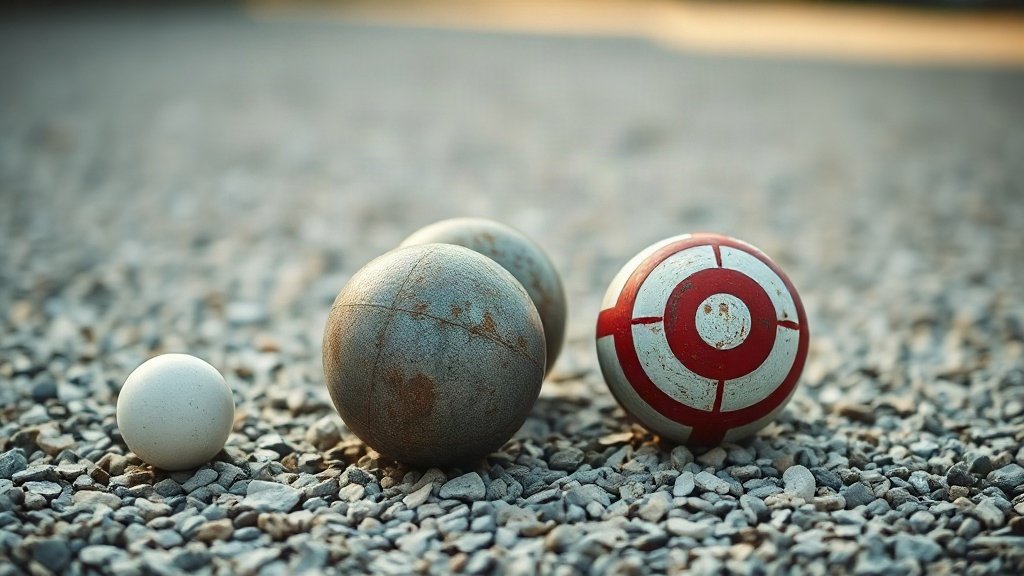
Illustration: AI-generated image
On warm evenings along the Croatian coast, you’ll often hear the distinctive clack of metal balls echoing across village squares. This is balote, a traditional bowling game that has been a cornerstone of social life in Dalmatia and Istria for generations. Similar to Italian bocce or French pétanque, balote is more than a game – it’s a ritual of friendship, competition, and community.
From Roman Roots to Dalmatian Squares
The origins of balote trace back to ancient games played with stones, but the modern form arrived via Italian influence, particularly from the Republic of Venice. Over centuries, Dalmatians and Istrians adopted and adapted the game, giving it their own name and local flavour. Today, balote remains a beloved pastime, passed down through families and played on dusty pitches, by the sea, or in the shade of old konobas.
How to Play Balote
The game is deceptively simple but requires skill and strategy. Players or teams take turns throwing heavy metal balls (called balote or boće) towards a small target ball, the bulina or pallino. The goal is to land your balls as close as possible to the bulina, while knocking opponents’ balls away. Points are awarded after each round (or end) based on how many of your balls are closer than your opponent’s nearest ball. A game is typically played to 13 or 15 points.
More Than a Game
What sets balote apart is its deep social role. Matches are often accompanied by lively banter, glasses of local wine, and the relaxed pace of Mediterranean life. While traditionally played by older men, younger generations and women increasingly join in, keeping the tradition vibrant. Local tournaments and informal evening games are common, especially during summer festivals and village feasts.
Where to Experience Balote
You don’t need to be a player to enjoy the spectacle. Simply wander through the narrow streets of any Dalmatian or Istrian town in the early evening, and you’re likely to stumble upon a game. Look for gravel rectangles or compacted earth courts, often near parks, beaches, or community centres. Some konobas even have their own pitches where patrons can try their hand. Don’t be shy – locals are usually happy to explain the rules or invite you to join.
A Living Tradition
In an age of digital distractions, balote endures as a reminder of simple pleasures. It’s not officially listed as intangible heritage, but for many Croats it’s an essential part of coastal identity. Whether you watch a heated match between village rivals or casually toss a few balls yourself, balote offers a genuine slice of Croatian culture.