Buying Property in Croatia as a Foreigner: A Step-by-Step Guide
What you need to know about the legal process, restrictions, and practical steps when purchasing real estate in Croatia as a non-citizen.
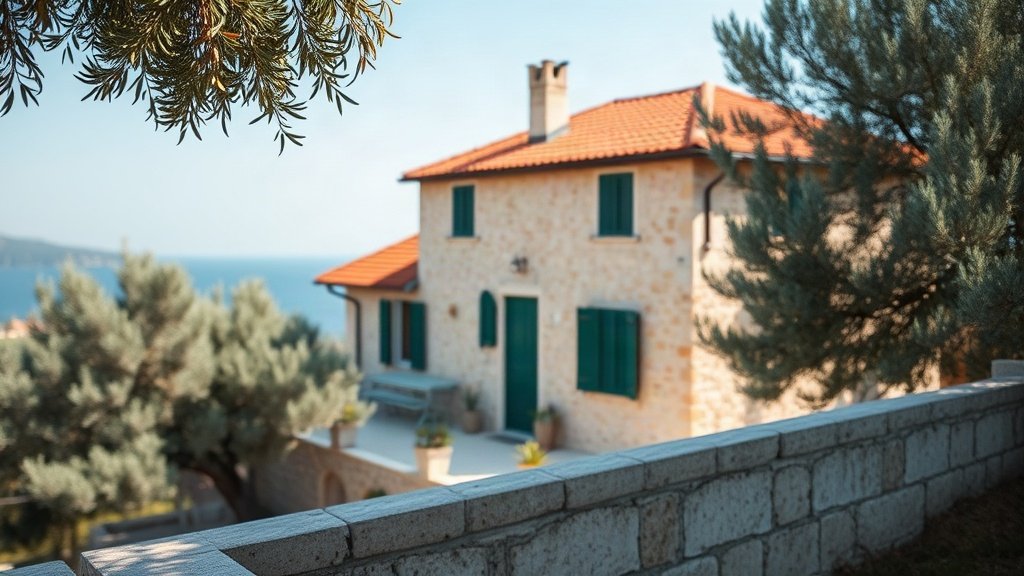
Illustration: AI-generated image
Buying a home or investment property in Croatia is an appealing prospect for many foreigners, drawn by the country’s stunning coastline, historic towns, and relatively affordable real estate. However, the process involves specific legal steps and restrictions that depend on your nationality. This guide walks you through the essentials, so you know what to expect before you start your search.
Who can buy property in Croatia?
Citizens of European Union and European Economic Area member states can purchase property in Croatia under the same conditions as Croatian citizens. For non-EU/EEA nationals, the situation is more nuanced: they may buy property only if a reciprocity agreement exists between Croatia and their home country, or if they inherit property. In practice, many non-EU buyers purchase through a Croatian company, which is a common workaround, but that route has its own tax and legal implications.
The buying process: six key steps
- Property search and initial checks. Use local agents, online portals, or direct owners. Verify the legal status of the property early—request an excerpt from the land registry (zemljišnoknjižni izvadak) to confirm ownership and any encumbrances or mortgages.
- Due diligence. Engage a local lawyer to examine the title, building permits, and any potential disputes. This step is crucial to avoid future problems.
- Pre-contract and deposit. Once you agree on terms, you typically sign a pre-contract (predugovor) and pay a deposit, usually around 10% of the price. The pre-contract outlines key conditions and timelines.
- Notary and final contract. The final sales contract (kupoprodajni ugovor) must be signed before a Croatian notary public. The notary ensures the contract complies with Croatian law and oversees the transfer of ownership.
- Registration of ownership. After signing, the notary submits the contract to the land registry for registration. You become the legal owner once registration is complete, which can take several weeks.
- Tax and fee payments. A property transfer tax is payable by the buyer, and there are also notary fees, court fees, and possibly agent commissions. Your lawyer will advise on the exact amounts and deadlines.
Practical tips for foreign buyers
- Hire a reputable local lawyer. Never rely solely on the seller or agent for legal advice. A bilingual lawyer can protect your interests and explain every clause.
- Check reciprocity early. If you are non-EU/EEA, confirm whether your country has a reciprocity agreement with Croatia before making any commitments.
- Consider the total cost. Beyond the purchase price, budget for taxes, legal fees, and ongoing maintenance. Coastal properties may have additional costs like communal fees or renovation expenses.
- Understand residency rules. Owning property in Croatia does not automatically grant you residency or a visa, though it may be a supporting factor in some applications.
Buying property in Croatia can be a smooth and rewarding experience when you understand the rules and work with trusted professionals. Start with careful research and always seek independent legal advice to ensure your purchase is secure.