Common Croatian Superstitions: Beliefs That Still Shape Everyday Life
From lucky chimney sweeps to the protective power of garlic, many old beliefs remain part of daily life in Croatia. Here's a friendly look at the most widespread ones.
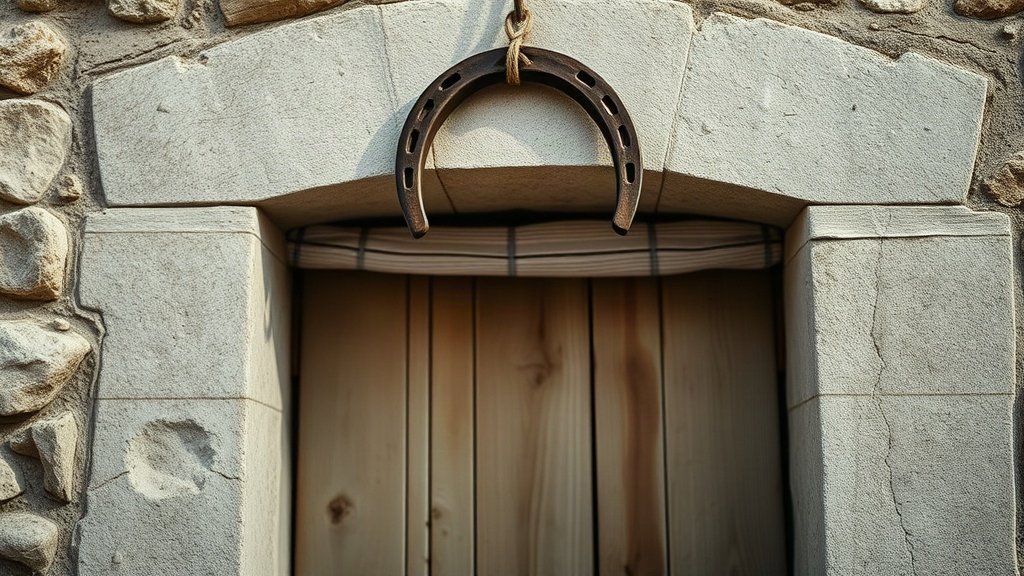
Illustration: AI-generated image
Superstitions are a fascinating window into a culture’s history and values. In Croatia, many old beliefs have been passed down for generations and still pop up in everyday conversations, gestures and household habits. Whether you are a newcomer or a long-time resident, recognising these customs can help you feel more at home and understand local reactions – such as why someone suddenly knocks on wood or avoids walking under a ladder.
Here is a friendly guide to some of the most common Croatian superstitions, what they mean and where they come from.
Lucky and unlucky symbols
Many Croatian superstitions revolve around luck, both good and bad. A few well-known ones include:
- Chimney sweeps – Encountering a chimney sweep is considered very lucky. If you see one, it is customary to touch a button on your clothing or make a wish. This belief likely comes from the idea that chimney sweeps clean away misfortune.
- Horseshoes – Hanging a horseshoe above the door is thought to protect the home and bring good fortune. The ends should point upwards, so the luck does not “fall out”.
- Black cats – As in many European cultures, a black cat crossing your path is seen as a bad omen. Some people will stop or change direction to avoid the supposed bad luck.
- Broken mirrors – Breaking a mirror is believed to bring seven years of bad luck. This older belief may stem from the idea that mirrors reflect the soul.
- Spilling salt – Spilling salt at the table is considered unlucky; to counteract it, you should throw a pinch of salt over your left shoulder. This custom is thought to blind the devil waiting behind you.
Protection and warding off evil
Several rituals are meant to protect against the “evil eye” (urok) or other negative forces. The evil eye is a widespread belief in the Mediterranean region, and Croatia is no exception. A common protection is wearing a red thread or a small red coral bracelet, especially for babies and children. Garlic is also hung in kitchens or doorways to keep away bad spirits and illness, a practice rooted in old folk medicine.
Another traditional amulet is a small pouch containing herbs, salt or a piece of bread, carried for protection. While many people today see these as charming traditions rather than real safeguards, they continue to be part of Croatian cultural heritage.
Everyday habits and gestures
Some superstitions are woven into daily routines. For example, many Croats knock on wood (or touch wood) after saying something positive, to prevent bad luck from “hearing” and ruining it. The phrase “da kucnem o drvo” (let me knock on wood) is common.
It is also considered unlucky to whistle indoors, as it is believed to “whistle away” money or happiness. Leaving a bag or purse on the floor is thought to let money “run away”. Opening an umbrella inside the house is generally avoided, as it may bring bad weather or misfortune.
When giving a gift, some people include a small coin, especially with a wallet or purse, so the recipient will never be without money. And when raising a glass, it is customary to look the other person in the eyes, not only out of politeness but also to avoid seven years of bad luck in love.
Where these beliefs come from
Croatian superstitions blend ancient Slavic pagan traditions, Mediterranean influences and Christian elements. Many are tied to important life events, agricultural cycles and the desire to control the unpredictable. Over time, the original meanings may have faded, but the habits remain as a colourful part of everyday life.
Today, you will find that some Croats take these beliefs seriously, while others follow them playfully. Either way, knowing about them adds a layer of understanding when you notice a neighbour throwing salt over their shoulder or a friend wearing a red bracelet for good luck.
So next time you see a chimney sweep or a horseshoe above a doorway, you will know exactly what it means – and perhaps even feel a little luckier yourself.