Croatia Navy Modernisation Moves Forward as Energy Drink Rules Tighten
Croatia has outlined a demanding programme to modernise its navy, with Rijeka's 3 Maj shipyard hoping to play a central role, while the health ministry prepares wider restrictions on energy drinks for under-18s.
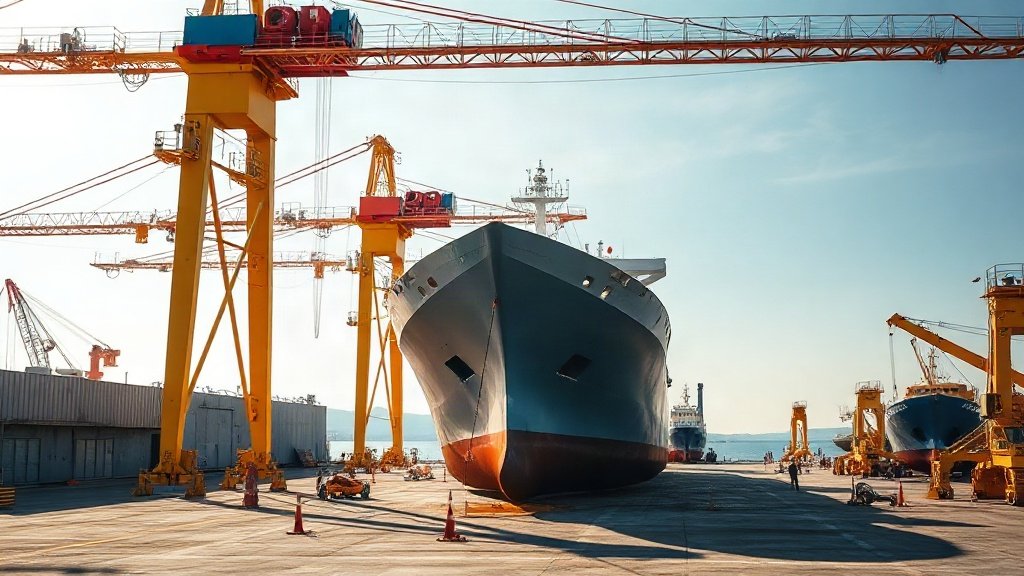
Illustration: AI-generated image
Croatia is moving forward with plans to modernise its navy, while the health ministry has begun drafting broader restrictions on energy drinks aimed at people under 18.
At a conference in Rijeka, Andrija Ljulj from the University of Defence and Security presented the long-term development plan for the Croatian Navy and invited shipbuilders to take part. The flagship project is the purchase of two multipurpose corvettes, with construction and fitting out planned between 2025 and 2028. Ljulj acknowledged that the timetable is tight but said he hopes it can be met with only minor delays.
The defence ministry has already collected information from 23 companies worldwide and narrowed down potential partners. A second round of tenders is expected soon, with the final decision to be made by the defence minister.
Rijeka's 3 Maj shipyard has applied for the corvette contract. Its management board president, Roko Vuletić, said the EU shipbuilding market is finally favourable again, and that the yard has two slipways and more than 85 percent of its workforce from the local area. He also noted that meeting the 2028 deadline will be difficult.
Other projects in the pipeline include unmanned mine countermeasures systems to be installed on the ship Faust Vrančić, with a possible new ship of up to 60 metres in the future. Four new landing assault ships are planned between 2029 and 2034, and work is also underway on maritime surface unmanned systems. Overhauls are currently carried out mainly in Šibenik and Trogir, and that capacity is expected to grow after modernisation.
The navy is also still managing an unfinished programme of coastal patrol vessels, with three vessels remaining incomplete.
In a separate development, the Ministry of Health is preparing legislation that would expand restrictions on energy drinks for minors. The draft would cover products with more than 150 milligrams of caffeine per litre, no matter where the caffeine comes from, though coffee, tea and cocoa-based drinks would be exempt. The Croatian Institute of Public Health would decide which other products fall under the rules based on ingredients and effects.
Advertising for such drinks could not be aimed at minors, and promotions or displays would be banned in schools and other children's institutions. Schools would also be required to include information about the health risks of energy drinks in their prevention programmes.
A new register would track businesses that place these products on the market, and the public health institute could recommend temporary restrictions for certain products. The ministry cites research showing that energy drink consumption among schoolchildren is widespread, with some drinking 750 millilitres or more in one sitting. High caffeine intake can affect the cardiovascular and nervous systems, and young people are particularly vulnerable.
Croatia already restricts sales of energy drinks to minors under rules introduced in June, and the new legislation would broaden that framework. The proposed measures are still being drafted and have not yet been enacted.