Croatia's Naive Art: A Guide to the Hlebine School
Discover the world of Croatian naive art, from its humble beginnings in the village of Hlebine to its place on the global stage.
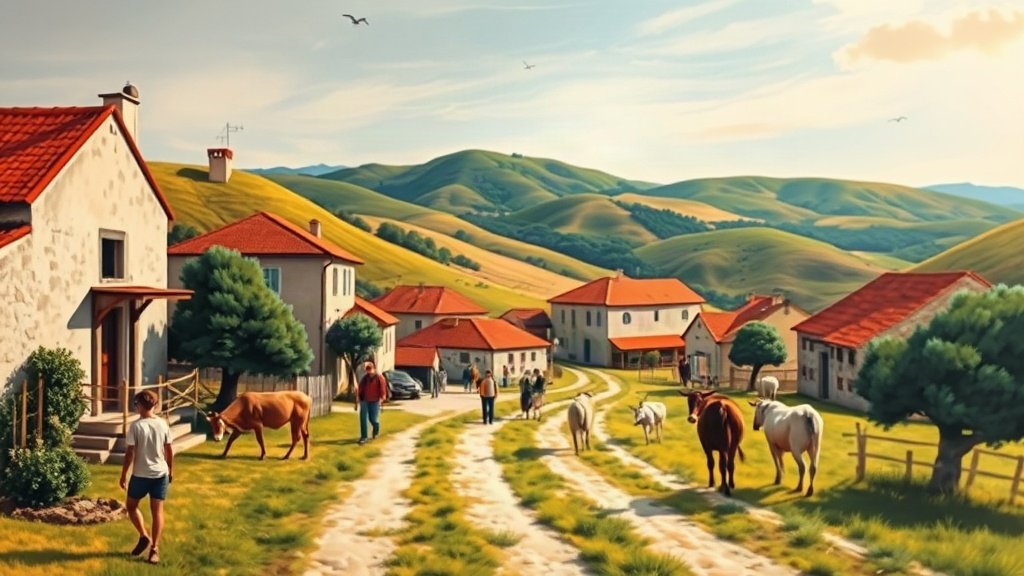
Illustration: AI-generated image
Naive art might sound like an oxymoron, but in Croatia it is a serious and celebrated artistic movement with deep roots in the rural north. Known for its vivid colours, flattened perspective and heartfelt depictions of everyday village life, Croatian naive art has won admirers around the world.
Origins and characteristics
The movement began in the early 1930s in the small village of Hlebine, near the town of Koprivnica in northern Croatia. It grew out of a tradition of peasant painting on glass, a technique known as "reverse glass painting", where the artist paints the details first and the background last, resulting in a luminous, enamel-like finish.
Unlike academically trained artists, the early naive painters were farmers and labourers with no formal art education. They painted scenes from their own lives – harvests, weddings, village fairs, snowy landscapes and domestic animals – with a directness and sincerity that struck a chord. The style is marked by rich, saturated colours, meticulous detail and a flat, non-naturalistic perspective that gives the works a dreamlike quality.
Key artists
Three names stand out as the founders of the Hlebine School: Ivan Generalić, Franjo Mraz and Mirko Virius. Generalić became internationally famous for his poetic rural landscapes and iconic paintings like "The Deer Wedding". Mraz and Virius also produced remarkable works before their careers were cut short – Virius died in a concentration camp during the Second World War.
A second generation of artists, including Ivan Lacković Croata and Josip Generalić, expanded the movement's range, often incorporating more symbolic and surreal elements. Today, naive art continues to be practised in Hlebine and beyond, and contemporary artists keep the tradition alive while adding their own twists.
Where to see Croatian naive art
The best place to start is the Croatian Museum of Naive Art in Zagreb. Housed in an 18th-century palace in the Upper Town, the museum holds over 1,900 works, with a permanent display featuring the movement's most important pieces.
Visitors can also travel to Hlebine itself, where a gallery showcases works by local artists, and to nearby Koprivnica, which hosts exhibitions and events celebrating the school. Many private galleries and collections across Croatia also feature naive art, so keep an eye out when visiting rural areas.
Tips for visitors
- Check the Croatian Museum of Naive Art's opening hours before visiting; it is closed on Mondays.
- Consider combining a visit to Hlebine with a trip to the nearby town of Koprivnica, known for its Renaissance square.
- Ask at local tourist offices about temporary exhibitions or open studio days, which sometimes allow visitors to meet artists and see them work.
- If you fall in love with a piece, many galleries and ateliers sell original paintings at a range of prices – just be sure to ask about authenticity certificates.
Croatian naive art offers a window into a world that is rapidly changing but preserved on canvas. Whether you are an art lover or simply curious about local culture, exploring this unique movement is a rewarding experience.