Croatian Menu Decoder: Key Food Words to Know
Confused by Croatian menus? Learn the essential food words for meats, seafood, sides, and desserts so you can order with confidence.
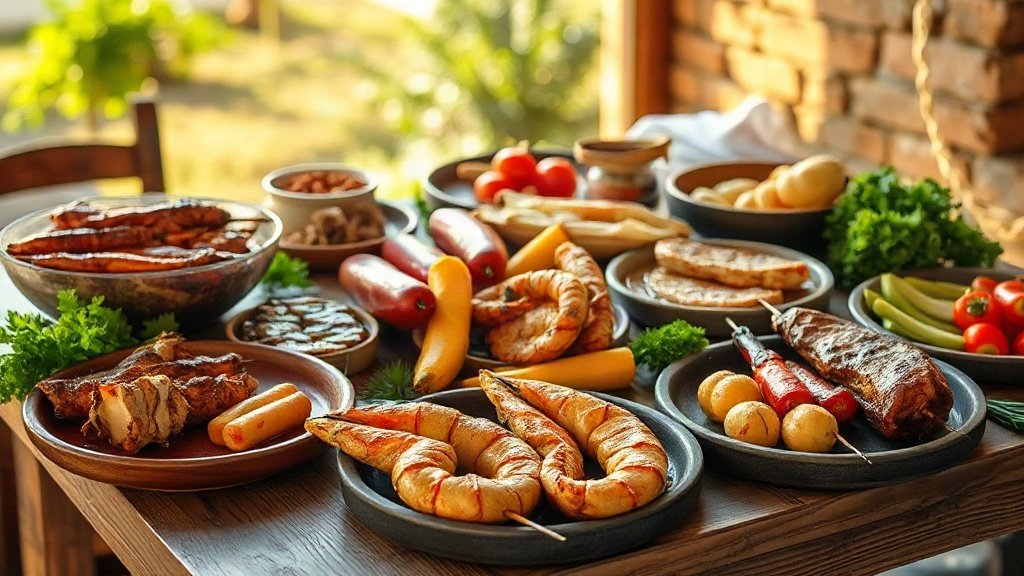
Illustration: AI-generated image
Dining out in Croatia is one of the great pleasures of visiting the country, but even the most adventurous eater can feel lost when faced with a menu full of unfamiliar words. While many restaurants in tourist areas offer English translations, traditional konobas and family-run taverns often list their dishes only in Croatian. Learning a few key food terms will not only help you order exactly what you want, but it will also deepen your appreciation of the local cuisine.
Here is a practical decoder for the most common words you are likely to see on a Croatian menu, grouped by category.
Meat and Poultry
- Pršut – dry-cured ham, similar to prosciutto, often served as a starter with cheese and olives.
- Kulen – a spicy, paprika-laced sausage from Slavonia, usually sliced thin.
- Čevapi – small, grilled minced meat rolls, typically served with flatbread, onions, and ajvar.
- Pljeskavica – a grilled patty of minced meat, sometimes stuffed with cheese.
- Janjetina – lamb, often roasted on a spit or under a peka.
- Teletina – veal, a common base for stews and schnitzels.
- Svinjetina – pork, frequently grilled or roasted.
- Piletina – chicken, usually grilled or fried.
- Puretina – turkey, often served as a cutlet with a side of mlinci.
- Kobasica – sausage, which can be fresh or cured, grilled or cooked in stews.
- Šnicla – schnitzel, a breaded and fried cutlet, usually veal or pork.
Seafood
- Riba – fish, often listed by species: brancin (sea bass), orada (sea bream), srdela (sardine), inćun (anchovy), bakalar (cod).
- Lignje – squid, frequently grilled or fried.
- Škampi – scampi, a prized shellfish from the Kvarner region.
- Kozice – smaller shrimp or prawns.
- Dagnje – mussels, usually cooked in a buzara sauce of wine, garlic, and breadcrumbs.
- Kamenice – oysters, best enjoyed raw with a squeeze of lemon.
- Jastog – lobster, often grilled or served in a rich sauce with pasta.
- Hobotnica – octopus, typically served as a salad or slow-cooked under a peka.
Side Dishes and Vegetables
- Blitva – Swiss chard and potatoes, the classic Dalmatian side dish, simply dressed with olive oil and garlic.
- Krumpir – potato, boiled, roasted, or fried.
- Riža – rice, often served plain or as a base for seafood dishes.
- Tjestenina – pasta, which appears in many forms across the coast and inland.
- Njoki – gnocchi, frequently served with a meat or game sauce.
- Salata – salad, usually a mix of tomatoes, cucumbers, and onions with olive oil and vinegar.
- Kupus – cabbage, often pickled as a side or used in hearty soups.
- Grah – beans, the star of the thick stew known as grah or pasulj.
- Gljive – mushrooms, wild varieties are prized in autumn dishes.
- Maneštra – a thick vegetable and bean soup from Istria, often with corn or bacon.
Desserts
- Palačinke – thin pancakes, served with jam, chocolate, or walnuts.
- Fritule – small fried dough balls, flavoured with raisins and citrus, especially around Christmas.
- Krafne – doughnuts, typically filled with jam or chocolate.
- Kremšnita – a creamy custard slice with puff pastry, famous in Samobor.
- Rožata – a caramel custard pudding, similar to crème caramel, from the Dubrovnik area.
- Štrudla – strudel, often filled with apples, cherries, or cheese.
- Orahnjača – a sweet roll filled with ground walnuts.
- Makovnjača – a sweet roll filled with poppy seeds.
- Sladoled – ice cream, sold in scoops at dedicated shops across the country.
Drinks
- Voda – water; ask for negazirana (still) or gazirana (sparkling).
- Sok – juice, often homemade from seasonal fruit.
- Kava – coffee; espresso is a small strong coffee, bijela kava is a milky coffee.
- Čaj – tea, usually herbal, served with honey or lemon.
- Pivo – beer, both domestic and international brands are widely available.
- Vino – wine; crno vino is red, bijelo vino is white, and rosé is pink.
- Rakija – a strong fruit brandy, often served as a welcome drink or digestive.
With this basic vocabulary, you will be able to navigate most Croatian menus with ease. Do not be afraid to ask your server for recommendations—locals are usually happy to share their favourite dishes, and you might just discover a new culinary delight.