Embracing Fjaka: The Dalmatian Art of Doing Nothing
The Dalmatian coast has a word for the sweet, unhurried state of calm that steals over you on a hot afternoon. Here is how to embrace fjaka, and why it matters.
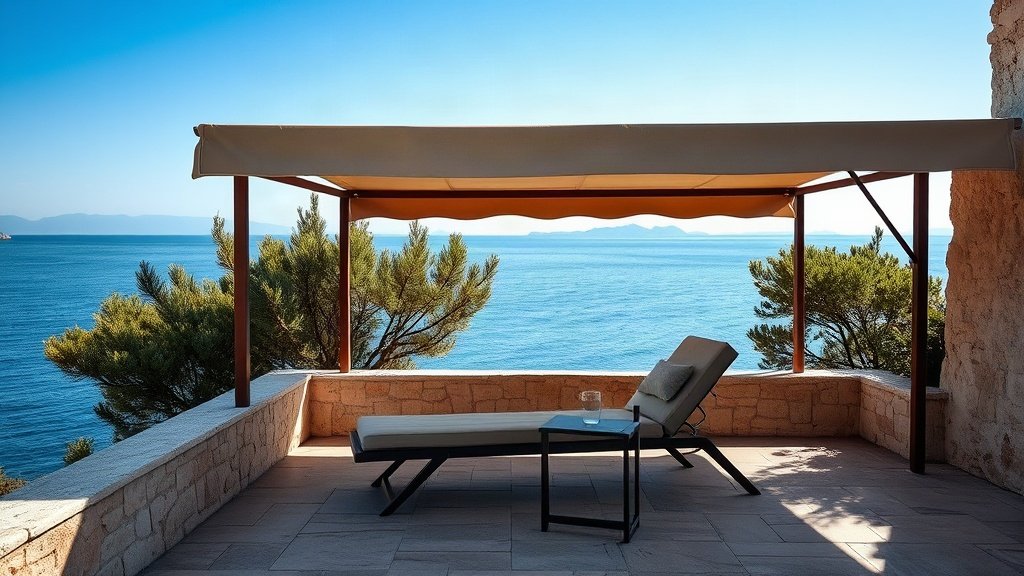
Illustration: AI-generated image
There is a word on the Dalmatian coast that captures a feeling many visitors spend their whole holiday chasing, and many locals know by heart: fjaka. It is not simple laziness, nor exhaustion. It is a particular state of calm, often described as a sweet drowsiness that steals over you on a hot afternoon, when the air shimmers and the idea of doing anything at all feels unnatural.
Understanding fjaka is useful for anyone living in or travelling through Dalmatia. It explains why some cafés seem to move at their own pace, why an afternoon nap is not a sign of poor planning, and why the phrase "polako" – slowly – is so often given as advice. The concept is not about avoiding work; it is about knowing when to pause.
What exactly is fjaka?
Ask a dozen Dalmatians and you will hear a dozen affectionate definitions. Some say it is a state of mind and body, a kind of emptiness combined with perfect satisfaction. Others compare it to the feeling after a large, slow lunch in summer, when the shutters are half closed and the only sound is the ceiling fan. It is not quite sleep, and it is not quite wakefulness. It is a soft surrender to the moment.
Linguists trace the term to Italian roots, and the concept has deep ties to the Mediterranean climate. The summer heat, the salt air and the long tradition of outdoor living all contribute to an environment where rushing feels out of place. Fjaka is the body's way of adapting to that environment.
Why embracing fjaka can improve your day
Many wellness trends talk about mindfulness, slowing down or digital detoxing. Fjaka is arguably the Dalmatian version of all three, practised long before they had names. Giving yourself permission to sit without a task, to stare at the sea without a phone, to nap without an alarm, can lower stress and restore a sense of balance.
In contrast to the guilt that often accompanies rest in fast-paced cultures, fjaka comes with no expectation of productivity. It is an end in itself. This shift in attitude can be surprisingly liberating for people who struggle to relax.
How to practise fjaka – a practical guide
You do not need to be born on the coast to experience fjaka, but a few conditions help. The first is warmth; the sensation rarely arrives on a cold, windy day. The second is time set aside with no fixed endpoint. The third is a comfortable spot, preferably with a view of something slow-moving, like the sea, a shaded courtyard or even a pot of herbs on a windowsill.
Begin by turning off notifications or leaving your phone inside. Sit or lie down in the shade. Let your eyes go soft. There is no need to empty your mind; simply stop reaching for thoughts. If you drift into a light doze, that is part of it. A cold drink, a bowl of figs or a piece of bread with olive oil can complete the scene, but none of it is essential.
Many locals insist that fjaka cannot be forced. It arrives on its own, often after a swim or a heavy meal, and trying too hard only chases it away. The skill is to recognise the moment and allow it, rather than to schedule it.
Fjaka and daily life in Dalmatia
Visitors sometimes mistake the slow service at a seaside café for inefficiency. More often, it reflects a different relationship with time. When the day is hot and the evening is long, there is little point in rushing through the middle of it. Work gets done, but the rhythm swells and eases with the temperature.
This does not mean activity stops. Early mornings are often busy, as people shop, water gardens and complete tasks before the heat settles. Late evenings are lively, with families walking along the riva and children playing until well past dark. Fjaka fills the soft gap in between.
For newcomers, adapting to this rhythm can take a while. The advice from locals is gentle: slow down, accept the heat, and let your body tell you when to rest. The more you fight it, the more exhausting it becomes.
There is no test to pass and no level to achieve. Fjaka is simply one of the quiet gifts of living by the Adriatic. On your next free afternoon, try the Dalmatian approach: find a patch of shade, breathe out, and let the world wait for a while.