Exploring Krka National Park: Waterfalls, Swimming and Ancient Heritage
Krka National Park pairs dramatic waterfalls with the rare chance to swim in crystal-clear water, plus historic mills and a centuries-old monastery.
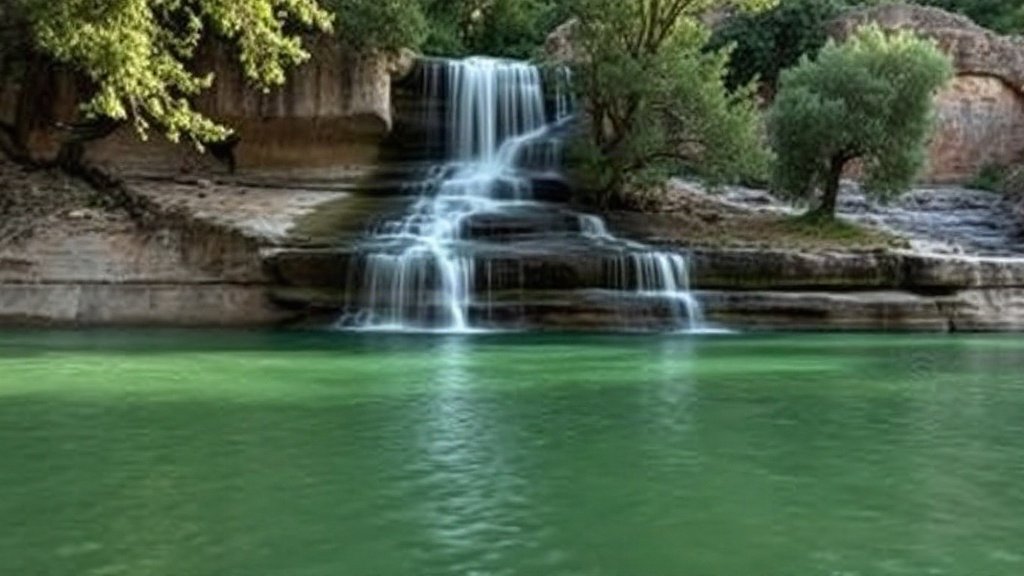
Illustration: AI-generated image
Krka National Park, tucked into the Dalmatian hinterland near Šibenik, is one of Croatia’s most beloved natural wonders. Unlike its famous cousin Plitvice, Krka invites visitors to do more than just look: you can swim in the emerald pools beneath several waterfalls, wander through restored watermills, and visit an island monastery that has stood for centuries. It’s a place where nature, history and refreshing dips come together in one compact, easy-to-explore area.
Getting to Krka
The park’s main entrance at Lozovac is easily reached by car from Šibenik (about 15 minutes), Split (around an hour) or Zadar (roughly an hour). There are also regular bus connections from Šibenik and Split during the tourist season. Once inside, a network of wooden boardwalks and shuttle buses links the key sites, making it simple to see the highlights even with limited time.
What to See
The star attraction is Skradinski Buk, a long series of travertine waterfalls that tumble into a broad, clear pool. A circular walking path takes you past viewpoints, over bridges and alongside the rushing water. Near the falls, you’ll find a cluster of restored stone buildings that once housed mills and workshops, now part of an ethno village where traditional crafts and local foods are showcased.
Further upstream, Roški Slap offers a quieter, more intimate waterfall experience, with its own set of cascades and a lovely picnic area. Between the two falls, a boat trip glides up the river to Visovac Island, home to a Franciscan monastery founded in the 15th century. Even if you choose not to land, the view of the tiny island surrounded by green water is unforgettable.
Swimming in Krka
One of Krka’s biggest draws is the chance to swim in the river. The water is cool and clean, and on a hot Dalmatian day there’s nothing better than wading into the pool at the base of Skradinski Buk. Swimming is permitted in designated areas, and the season typically runs from late spring to early autumn. Bring a swimsuit, a towel and water shoes, as the riverbed can be rocky.
Tips for Visiting
To enjoy Krka at its best, arrive early in the morning or late in the afternoon, especially in July and August when the park can get busy. Wear comfortable walking shoes, as the boardwalks cover quite a distance. If you plan to swim, pack light and consider leaving valuables in your car. Spring and early autumn are ideal, with fewer crowds and pleasant temperatures.
Krka National Park is a must-see for anyone exploring Croatia’s Adriatic coast. Whether you come for the waterfalls, the history or the chance to cool off in a living river, you’ll leave with memories of one of the country’s most enchanting landscapes.