Fritule: A Guide to Croatia's Festive Fried Dough Balls
Small, golden and often spiked with rum and raisins, fritule are a beloved Croatian treat that appears at Christmas, Carnival and beyond. Here's what to know and how to make them.
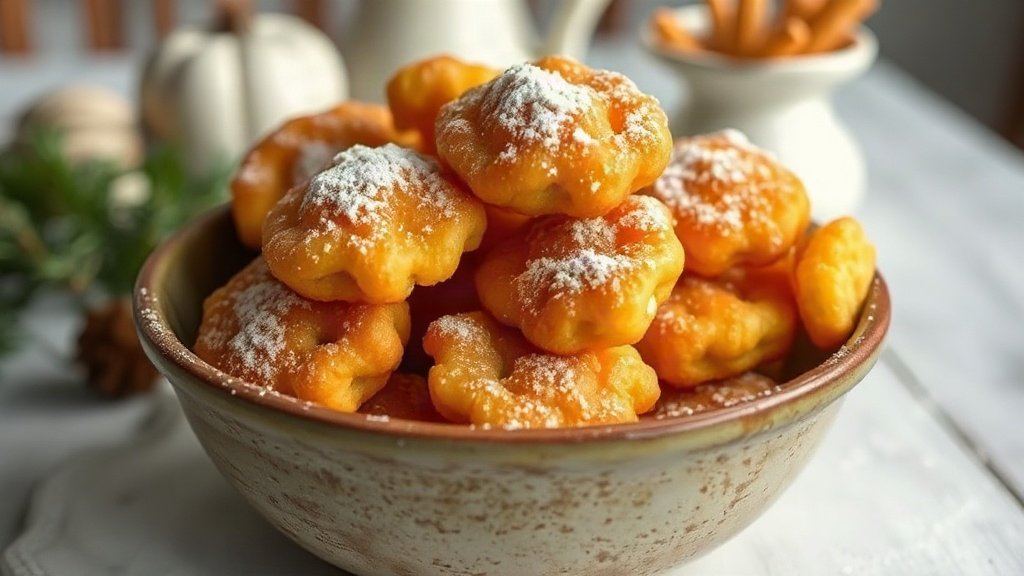
Illustration: AI-generated image
Walk through any Croatian Christmas market or Carnival celebration and you'll likely catch the sweet, yeasty aroma of fritule drifting from a nearby stall. These small, round doughnuts are a staple of the festive season, but their appeal lasts all year. Crispy on the outside and soft within, fritule are often scented with citrus zest, studded with raisins and given a generous splash of rum or rakija. They are simple to make, deeply satisfying and a wonderful way to bring a taste of Croatia into your own kitchen.
What are fritule?
Fritule are bite-sized fried dough balls, similar to Italian zeppole or Dutch oliebollen, but with a distinctly Croatian character. The name comes from the Venetian word fritola, meaning 'fried', a nod to the centuries of Venetian influence along the Adriatic coast. The basic dough is made from flour, eggs, milk, yeast, sugar and a pinch of salt, though every family has its own twist. Common additions include grated lemon or orange zest, raisins soaked in rum, and a dash of rakija or brandy. Some versions use yoghurt or even grated apple for extra moisture.
Once fried in hot oil until deep golden, fritule are typically dusted with icing sugar or drizzled with honey. They are best eaten warm, when the exterior is crisp and the centre is soft and airy. While they are most associated with Christmas and pre-Lenten Carnival, many bakeries and cafés sell them throughout the winter months, and home cooks whip up a batch whenever a sweet craving strikes.
A sweet history
Fritule have deep roots in the culinary traditions of the Adriatic. Venetian merchants and rulers introduced many fried pastries to the Dalmatian coast, and local cooks adapted them with available ingredients and flavours. Over time, fritule spread across Croatia, becoming especially popular in coastal regions like Istria, Dalmatia and the islands, though they are now enjoyed nationwide. Each region has its own nuances: in Istria, they might include a splash of local brandy; in Dalmatia, citrus zest is prominent. In the northern regions, they may be plainer or served with jam.
Traditionally, fritule were a way to use up simple pantry staples before Lent, when rich foods were forbidden. Today, they are a symbol of celebration and comfort, often prepared in large batches for family gatherings and holiday parties.
How to make fritule at home
Making fritule is straightforward, even for novice bakers. The dough is a cross between a batter and a soft yeast dough, and it requires only a short rise. Here's a basic outline:
- Activate the yeast: Dissolve fresh or dry yeast in warm milk with a teaspoon of sugar. Let it sit until frothy, about 10 minutes.
- Mix the dough: In a large bowl, combine flour, eggs, sugar, a pinch of salt, lemon or orange zest, and the yeast mixture. Stir until a thick, sticky batter forms. If using, fold in rum-soaked raisins and a splash of rakija.
- Let it rise: Cover the bowl and leave in a warm place for about an hour, until the dough has doubled and is bubbly.
- Fry: Heat a deep pan of neutral oil (sunflower or vegetable) to around 170°C. Use two spoons or a small ice cream scoop to drop small portions of dough into the oil. Fry in batches, turning occasionally, until evenly golden brown, about 3–4 minutes per batch.
- Drain and serve: Remove with a slotted spoon and drain on kitchen paper. While still warm, dust generously with icing sugar or drizzle with honey.
For a richer flavour, some cooks replace the milk with yoghurt or add a spoonful of sour cream. The key is to keep the oil temperature steady – too hot and the outsides burn before the insides cook; too cool and the fritule absorb too much oil and become greasy.
Variations and serving ideas
While the classic recipe is hard to beat, there are many ways to personalise fritule. Some bakers add a mashed ripe banana or grated apple for natural sweetness. Others fold in chopped dark chocolate or dried figs. For a festive touch, a pinch of cinnamon or ground cloves can be added to the sugar coating. In some households, fritule are served with a side of jam or chocolate sauce for dipping.
Though traditionally a sweet treat, savoury versions exist in a few regions, made without sugar and sometimes with herbs or cheese. However, the sweet version remains the most widespread and beloved.
Where to enjoy fritule
During the Christmas season, fritule are a common sight at Advent markets across Croatia, especially in Zagreb, Split and Dubrovnik. They are also sold in many bakeries and pastry shops, often alongside other festive treats like krafne and kroštule. If you're visiting during Carnival in February, you'll find them at street stalls and local festivities. Outside these times, some cafés and restaurants include them on dessert menus, particularly in tourist areas. Of course, making them at home is a rewarding way to experience a true Croatian comfort food.