Fuži: A Guide to Istria's Traditional Hand-Rolled Pasta
Discover fuži, the diamond-shaped pasta from Istria, and learn how this humble hand-rolled noodle became a staple of the region's rustic cuisine.
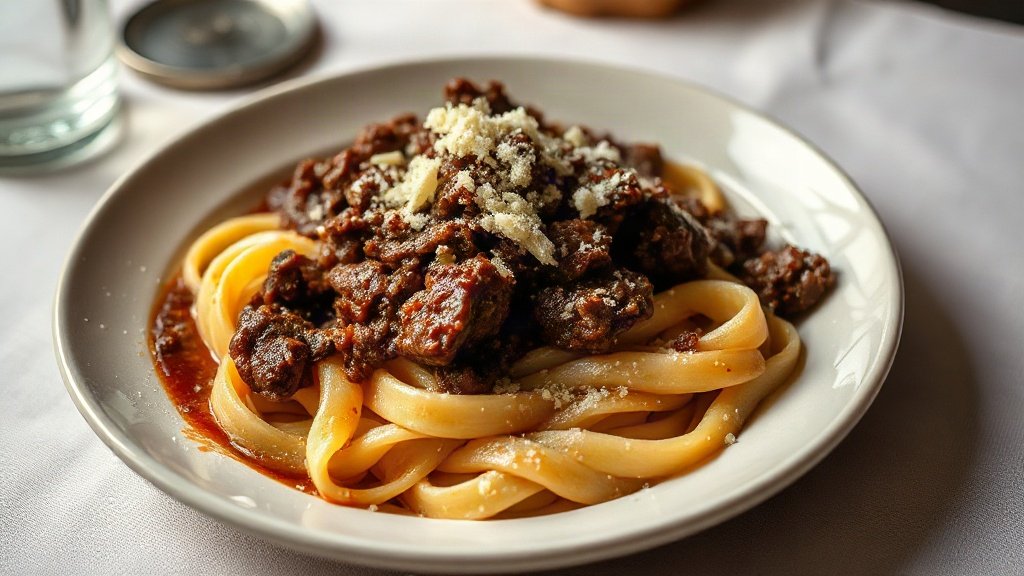
Illustration: AI-generated image
When you think of Croatian pasta, you might picture the long, thin noodles of the coast or the stuffed varieties of the interior. But in the green hills of Istria, a unique shape reigns supreme: fuži.
Fuži (pronounced foo-zhee) are small, diamond-shaped pasta pieces made from a simple dough of flour, eggs, and water. The name comes from the Italian word "fuso," meaning spindle, because each piece is rolled around a thin wooden stick to create its signature hollow, quill-like form.
A Taste of Istrian Tradition
This humble pasta has been made in Istrian kitchens for centuries. In the past, fuži were a special-occasion dish, often served on Sundays or feast days when families had time to roll and shape the dough by hand. Today, they remain a point of pride, and many Istrian households still make their own rather than buying them dried.
The dough is rolled thin and cut into small squares or diamonds. Each square is then wrapped around a wooden stick (called a "štapić" or "ferula") and pressed lightly to seal the edges. The result is a pasta piece with a groove down the middle, perfect for catching rich, meaty sauces.
How Fuži Are Served
Fuži are incredibly versatile, but they shine brightest when paired with robust flavors. The most traditional accompaniment is a slow-cooked meat sauce, often made with beef, pork, or game, and flavored with red wine, tomatoes, and aromatic herbs like rosemary and bay leaf. In Istria, this sauce is sometimes enriched with truffles, especially in autumn when the region's prized white and black truffles are harvested.
Another classic preparation is fuži with a simple sauce of chicken or rooster, known as "fuži s gulašom" or "fuži s pijetlom." The tender meat falls apart into the sauce, coating every piece of pasta. For a lighter option, fuži can be served with a mushroom sauce, a creamy cheese sauce, or even just butter and sage.
Where to Enjoy Fuži
If you're traveling through Istria, you'll find fuži on the menu of almost every traditional konoba (tavern) and agritourism farm. The best way to experience them is to visit a family-run establishment where the pasta is made fresh daily. In the hilltop towns of Motovun, Grožnjan, and Buzet, many restaurants serve fuži with locally hunted game or truffles, offering a true taste of the region's terroir.
For those who want to try making fuži at home, the process is straightforward but requires a bit of patience. A simple dough of flour, eggs, and a pinch of salt is rolled into a thin sheet, cut into small shapes, and then rolled around a pencil or a special wooden stick. Once you master the technique, you can freeze the uncooked fuži for later use.
Why Fuži Matter
Like many traditional foods, fuži are more than just a meal—they're a connection to Istria's history and identity. The pasta reflects the region's blend of Slavic and Italian influences, and its handmade nature keeps culinary traditions alive across generations. In 2013, fuži were included in Croatia's list of protected intangible cultural heritage, a testament to their importance.
So next time you're in Istria, skip the familiar spaghetti and order a plate of fuži. You'll be tasting a piece of the peninsula's soul, one delicious, hand-rolled bite at a time.