How to Celebrate Martinje: Croatia's Wine and Goose Festival
Discover the traditions of Martinje, St. Martin's Day in Croatia, when wine is blessed and families gather for a feast of roast goose and mlinci.
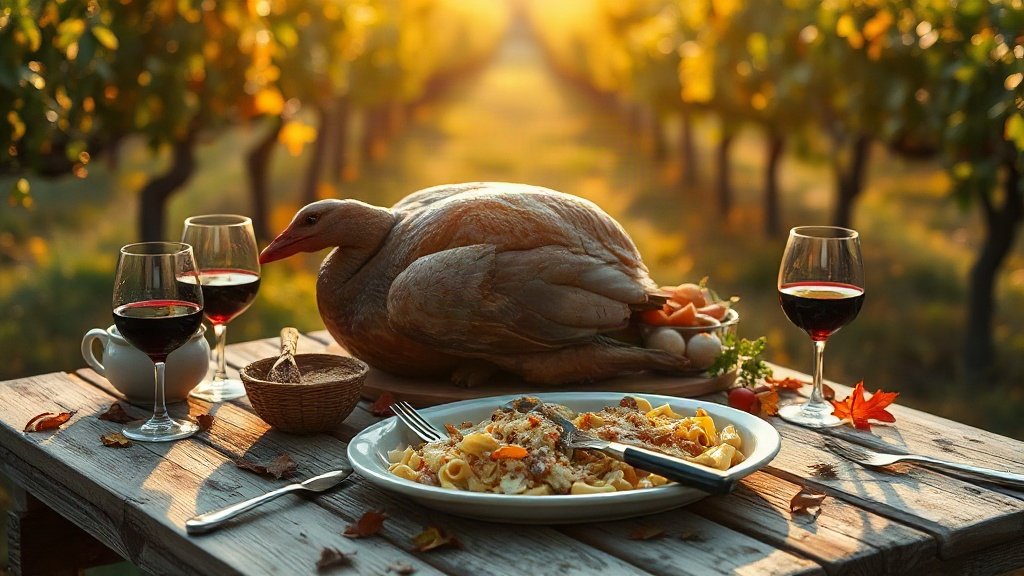
Illustration: AI-generated image
As autumn paints the vineyards in hues of gold and amber, Croatia prepares for one of its most cherished celebrations: Martinje, St. Martin's Day on 11 November. This lively tradition marks the moment when the year's young wine is officially declared ready to drink, and it brings families, friends, and entire communities together around tables laden with food and drink.
What is Martinje?
Martinje has deep roots in both Christian and pre-Christian customs. St. Martin of Tours, a Roman soldier turned bishop, is the patron saint of winemakers, and his feast day coincides with the end of the grape harvest. In Croatia, the day is less about religious observance and more about celebrating the transformation of must (mošt) into wine. It is a joyful farewell to autumn and a welcome to the slower pace of winter.
The Wine Blessing Tradition
At the heart of every Martinje celebration is the "baptism" of the wine, a playful ceremony that mimics a christening. A friend or family member is chosen to act as the "bishop" – often donning a makeshift mitre and carrying a wooden spoon as a crozier – and with great ceremony, he blesses the barrel or bottle of new wine. The ritual is full of laughter, toasts, and good-natured teasing, and it officially transforms the must into wine. While the ceremony varies from region to region, the spirit remains the same: gratitude for the harvest and hope for a good year ahead.
Food and Drink
No Martinje feast is complete without roast goose and mlinci. Goose is traditional because, according to legend, St. Martin hid among geese to avoid being ordained, and the birds betrayed him with their honking. Today, the goose is the star of the table, slow-roasted until golden and served with mlinci, a thin pasta made from simple dough that is baked and then boiled, soaking up the rich juices. Alongside, you'll find homemade bread, chestnuts, and perhaps a hearty soup. For dessert, expect seasonal treats like apple strudel or pumpkin pie, all washed down with generous glasses of the newly blessed wine.
How to Celebrate at Home
If you'd like to host your own Martinje gathering, start by sourcing a good bottle of young wine – ideally a local variety such as Graševina or Plavac Mali. Prepare a simple feast: roast a goose or a chicken if goose is hard to find, and make mlinci from scratch or buy them dried. Set the table with autumn decorations, and don't forget to assign a "bishop" to bless the wine. The key is a relaxed, convivial atmosphere where everyone feels welcome to share stories and raise a glass.
Attending a Martinje Celebration
Many towns, villages, and wine regions across Croatia hold public Martinje events, from vineyard parties to cellar open days. If you're invited to a private gathering, bring a bottle of wine or a small gift for the host. Dress warmly, as celebrations often take place outdoors or in unheated cellars. And be prepared for a long, lively evening – Martinje is known for its generous hospitality and flowing wine, so pace yourself and enjoy the company.
Whether you're a newcomer or a longtime resident, embracing Martinje is a wonderful way to connect with Croatian culture and the rhythm of the seasons. So raise a glass, savour the roast goose, and toast to good health: Živjeli!