How to Cook Peka: Croatia's Traditional Dome-Baked Meal
Learn the art of peka, the Dalmatian slow-cooking method that turns simple ingredients into a tender, flavourful feast under a metal bell.
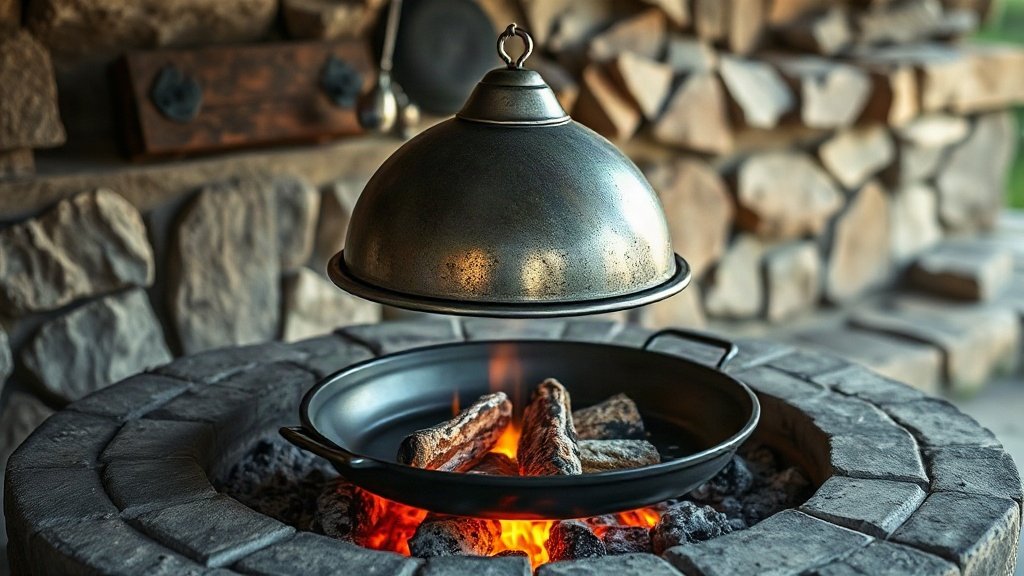
Illustration: AI-generated image
If you spend any time in Dalmatia, you will quickly hear about peka. This traditional method of cooking under a heavy metal dome, buried in hot embers, transforms humble ingredients into a wonderfully tender and aromatic meal. It is not just a way of cooking; it is a social ritual, often reserved for family gatherings and special occasions. Here is how to recreate it at home or in your Croatian garden.
What You Need
At its heart, peka requires a metal bell-shaped lid (also called a čripnja) and a fireplace or open hearth. The bell is placed over a round baking tray, and hot embers are piled on top, creating an oven-like environment. You will also need a long-handled shovel or poker to handle the coals, and sturdy firewood that produces good embers, such as oak or beech.
The ingredients are simple: meat (lamb, veal, or chicken are classic), potatoes, onions, carrots, garlic, fresh herbs like rosemary and bay leaves, olive oil, and a splash of white wine. Some families add a little water or stock to ensure moisture.
Preparing the Ingredients
Begin by seasoning the meat generously with salt, pepper, and herbs. Cut the vegetables into large chunks — they will cook slowly and absorb the meat's juices. Arrange everything in the baking tray: place the meat in the centre, surround it with vegetables, drizzle with olive oil, and pour over the wine or a little water. Tuck in a few whole garlic cloves and sprigs of rosemary for extra flavour.
Cooking with the Bell
Light your fire well in advance, as you need a deep bed of glowing embers. Once the fire has burned down, carefully place the tray on the hot ashes, then cover it with the peka bell. Using a shovel, pile embers over the entire surface of the bell, including the top and sides. The goal is even, steady heat from all directions.
Now comes the hard part: do not lift the bell. The dish cooks in its own steam and juices, and peeking releases that precious heat. Most peka dishes take between 1.5 and 2 hours, depending on the size of the meat and the heat of the coals. You can add more embers halfway through if the fire cools, but avoid lifting the bell to check.
Serving and Enjoying
When the time is up, brush away the embers and carefully lift the bell with a long hook or gloves. The aroma is unforgettable. The meat should be fall-apart tender, and the vegetables soft and caramelised. Serve the peka directly from the tray, alongside a simple green salad, crusty bread, and a glass of local red wine. In Dalmatia, peka is a communal affair — everyone gathers around, and the meal is meant to be savoured slowly.
Once you master the basic technique, you can experiment: add octopus for a coastal twist, or use turkey and dried figs for a festive version. However you adapt it, peka is a delightful way to connect with Croatia's culinary heritage.