How to Cure Olives at Home: A Traditional Croatian Guide
Learn how to cure olives at home using traditional Croatian methods, from water curing to brine, and enjoy your own olives year-round.
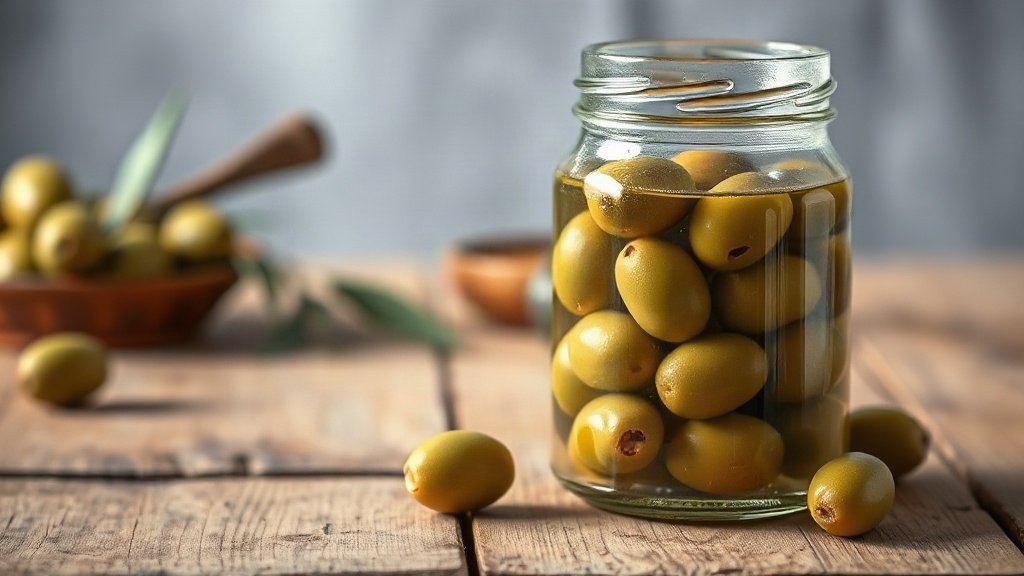
Illustration: AI-generated image
Olives are a cornerstone of Croatian cuisine, especially along the coast. While many people buy them ready-cured, there is something satisfying about preparing your own at home. Curing olives removes their natural bitterness and turns the hard, astringent fruit into a delicious, savoury treat. This guide walks you through two traditional methods used in Croatia: water curing and brine curing.
Choosing and Preparing Your Olives
Start with freshly picked olives, either green or black. Green olives are firmer and more bitter, while black olives are softer and milder. Look for fruit without bruises or blemishes. Wash them thoroughly and remove any stems or leaves. To help the bitterness leach out faster, make a small slit in each olive or lightly crush them with a stone or the flat side of a knife. This step is essential for even curing.
Water Curing: The Simple, Slow Way
Water curing is the easiest method, requiring only olives, water, and time. Place the prepared olives in a large container, such as a food-grade plastic bucket or a glass jar. Cover them completely with cold water. Change the water every day for at least two weeks, or longer for very bitter varieties. Taste an olive after two weeks: if it is still too bitter, continue changing the water daily until the bitterness is gone. Once cured, drain the olives and move on to seasoning and storage.
Brine Curing: The Traditional Favourite
Brine curing uses salt to draw out bitterness and preserve the olives. Dissolve 100 grams of non-iodised salt in one litre of water to make a 10% brine solution. Place the prepared olives in a clean jar and pour the brine over them until they are fully submerged. Use a weight, such as a small plate or a food-safe bag filled with water, to keep the olives under the liquid. Store the jar in a cool, dark place. After one week, replace the brine with a fresh batch. Repeat this weekly for about one month, then taste. The olives should be pleasantly salty with no bitter aftertaste. If needed, continue brining for another week or two.
Seasoning and Storing
After curing, rinse the olives briefly and transfer them to sterilised jars. Cover them with a light brine (about 5% salt) and add flavourings such as garlic cloves, lemon peel, dried oregano, or a splash of vinegar. Top with a thin layer of olive oil to create a seal. Store the jars in the refrigerator or a cool pantry. The olives will keep for several months. For a more intense flavour, let them sit for a week before eating.
Home-cured olives make a wonderful addition to a Croatian-style meze platter, alongside cheese, pršut, and crusty bread. They also pair beautifully with a glass of local wine. With a little patience, you can enjoy this taste of the Mediterranean all year round.