How to Dispose of Special Waste in Croatia: Batteries, Electronics and More
From batteries to bulky furniture, here's how to responsibly get rid of items that don't belong in your regular bins in Croatia.
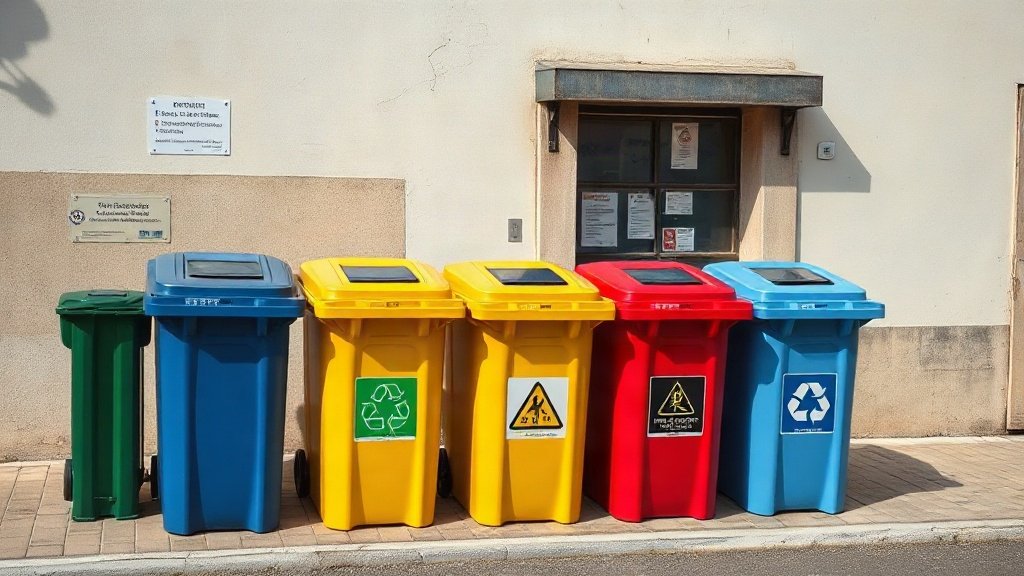
Illustration: AI-generated image
If you live in Croatia, you’re probably familiar with the standard coloured bins for paper, plastic, glass and mixed waste. But what about batteries, old electronics, leftover paint or that broken armchair? These items require special handling to keep your home safe and your neighbourhood clean. Here’s a practical guide to disposing of special waste responsibly in Croatia.
Batteries and Small Electronics
Used household batteries, light bulbs and small electronic devices such as phones, remote controls or chargers should never go in your regular mixed waste. Many supermarkets and larger shops have collection boxes near the entrance, usually labelled for batteries and small e-waste. You can also drop them off at your nearest recycling yard (reciklažno dvorište), which every larger town and city must provide free of charge for residents.
Large Appliances (E-Waste)
For bigger items like fridges, washing machines, televisions or computers, you have two main options. When you buy a new appliance, the retailer is legally obliged to take back your old one for free, even if you didn’t purchase it from them originally and delivery is included. Alternatively, you can arrange a free collection from your home by contacting your local waste management company, or take the item to a recycling yard yourself. It’s worth calling ahead to check opening hours and any size limits.
Medicines and Medical Waste
Expired or unused medicines should be returned to any pharmacy in Croatia. Pharmacies have dedicated containers for safe disposal, ensuring that drugs don’t end up in landfill or water systems. Never flush medicines down the toilet or sink, and keep them out of bins where children or pets could find them. Sharps like needles or syringes usually need a special container – ask at your pharmacy or health centre for advice.
Hazardous Household Waste
Items like paints, varnishes, solvents, motor oil, antifreeze, pesticides and cleaning chemicals are classified as hazardous. They must not go in regular bins or down drains. Most recycling yards accept these materials, but check what they take before you visit, as some have specific drop-off days. Many municipalities also organise periodic mobile collection events, where a lorry visits neighbourhoods on a set schedule – look for local announcements or ask your building manager.
Bulky Waste
Furniture, mattresses, carpets and other large household items can be collected from your home, usually free of charge, once or twice a year. You’ll need to contact your local utility company or the municipal waste service to book a pickup and find out the rules for your area. In apartment buildings, bulky waste is sometimes collected on a fixed day – check the notice board or ask the building representative (predstavnik stanara).
Construction and DIY Waste
Small amounts of building rubble, old tiles or plaster from a DIY project can often be taken to a recycling yard, but limits apply and you may need to prove you’re a resident. Larger quantities from renovations require a different approach – you’ll likely need to hire a private skip or use a licensed construction waste service. Your local waste company can advise on what’s allowed.
A good habit is to keep a small box or bag at home for collecting batteries, bulbs and other small special waste. When it’s full, take it along on your next supermarket trip. And remember, if you’re unsure where something goes, ask your local utility company – they are usually happy to help residents dispose of waste correctly.