How to Make Ajvar: Croatia's Beloved Red Pepper Relish
Ajvar is a thick, smoky relish made from roasted red peppers and aubergines, a staple in Croatian kitchens. Learn the traditional method and how to enjoy it year-round.
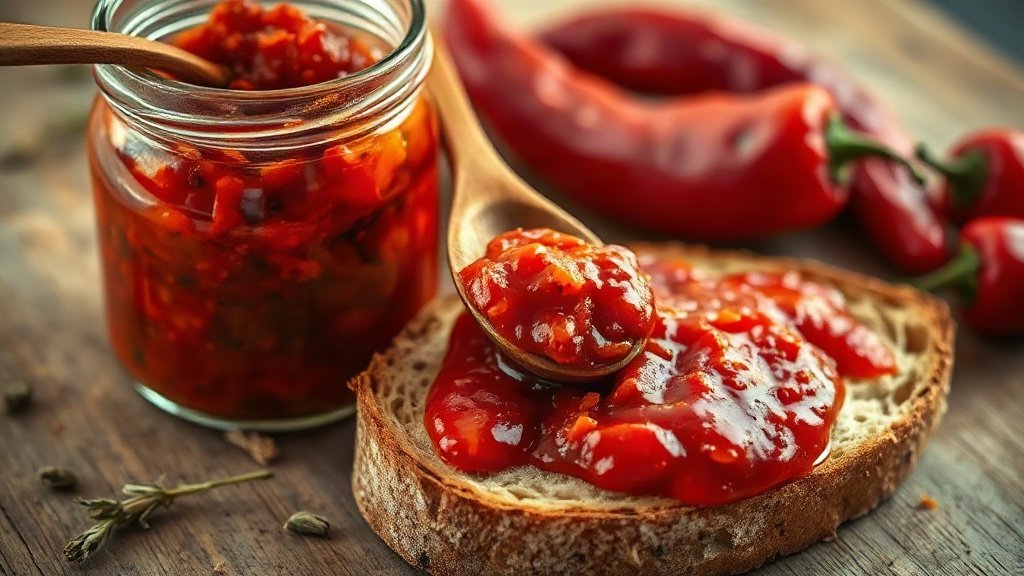
Illustration: AI-generated image
Ajvar is more than just a condiment in Croatia; it is a ritual of autumn, a taste of the Mediterranean, and a jar of pure comfort. Made from slow-roasted red peppers and sometimes aubergine, this thick, smoky relish is slathered on bread, spooned beside grilled meats, and stirred into stews. While many families still gather in late September to prepare large batches for the winter, making a small jar at home is a rewarding way to connect with Croatian food culture any time of year.
Ingredients
For a manageable home batch, you will need:
- 2 kg of fleshy red peppers (the long, pointed 'roga' variety is traditional, but any sweet red pepper works)
- 1 medium aubergine (optional, for a creamier texture)
- 100–150 ml of sunflower oil (or another neutral oil)
- Salt, to taste
- A splash of white vinegar or lemon juice (optional, to sharpen the flavour)
Step-by-step method
- Roast the peppers. Wash and dry the peppers whole. Place them on a baking tray or directly on a grill and roast at a high temperature (220°C or under a hot grill) until the skins are blistered and blackened in places, turning occasionally. This takes 30–45 minutes. If using aubergine, prick it with a fork and roast it alongside.
- Steam and peel. Transfer the hot peppers to a large bowl and cover with cling film or a clean cloth. Let them steam for 15–20 minutes; this loosens the skins. Once cool enough to handle, peel off the skins and remove the stems and seeds. Do the same for the aubergine, scooping out the soft flesh.
- Drain well. Place the peeled peppers in a colander and let them drain for at least an hour, or overnight in the fridge. Removing excess water is key to a thick, rich ajvar.
- Grind or blend. Mince the peppers and aubergine using a meat grinder (the traditional tool) or pulse in a food processor until you reach your desired consistency—some prefer silky smooth, others a coarser texture.
- Cook slowly. Put the mixture in a wide, heavy-bottomed pot. Add about half the oil and a good pinch of salt. Cook over very low heat, stirring frequently, for 2–3 hours. The mixture will darken and thicken. Gradually add the remaining oil as it cooks; the ajvar is ready when a spoon drawn across the bottom leaves a clear trail.
- Season and jar. Taste and adjust salt. If using vinegar or lemon juice, stir it in during the last 10 minutes. While still hot, spoon the ajvar into sterilised jars, seal tightly, and turn upside down for 10 minutes to create a vacuum. Store in a cool, dark place.
Serving and storing
Once opened, keep ajvar in the fridge, topped with a thin layer of oil to preserve it. It is traditionally eaten on a slice of fresh bread, as a side to ćevapi or grilled fish, or swirled into soups. A spoonful also brightens eggs, roast vegetables, and pasta.
Making ajvar is a labour of love, but the result—a jar of deep, smoky sweetness—is a delicious reminder of Croatian hospitality wherever you are.