How to Prepare Your Croatian Garden for Winter: A Practical Guide
Autumn is the ideal time to get your garden ready for the colder months. Here are simple steps to protect your plants and soil, whether you live on the coast or inland.
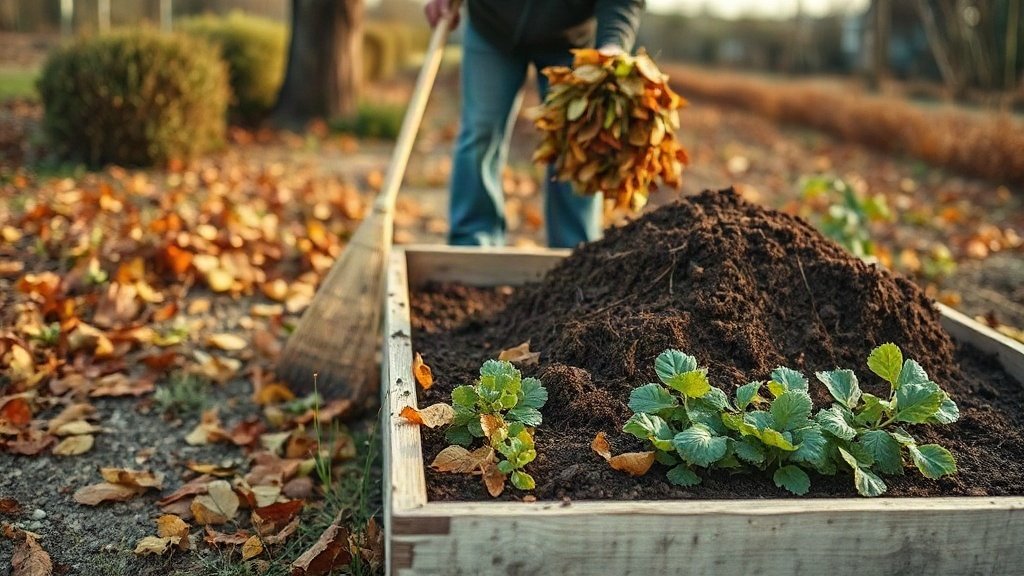
Illustration: AI-generated image
As summer fades and temperatures begin to drop, gardens across Croatia need a little extra attention. Preparing your garden for winter not only helps plants survive the cold but also sets the stage for a healthy start next spring. Whether you have a small balcony in Split or a large vegetable plot in Slavonia, a few simple steps can make all the difference.
Know Your Climate
Croatia's climate varies greatly. Coastal areas enjoy mild winters with occasional frost, while inland regions can see heavy snow and prolonged freezing. Knowing your local conditions will guide which tasks matter most. In continental Croatia, protecting plants from hard frost is essential; on the coast, the focus is often on wind protection and managing excess rain.
Clear and Tidy
Start by removing spent annuals, dead leaves and any diseased plant material. This reduces pests and diseases that could overwinter in the soil. Add healthy plant remains to your compost pile, but dispose of anything that shows signs of mildew or rot in the regular waste bin to avoid spreading problems.
Feed Your Soil
Autumn is the perfect time to improve soil structure. Spread a layer of well-rotted compost or aged manure over vegetable beds and flower borders. For heavy clay soils common in Slavonia, adding organic matter helps with drainage and prevents waterlogging. On the coast, where soils are often sandy and free-draining, compost helps retain moisture and nutrients.
Plant for Spring
Certain crops thrive when planted before winter. Garlic and onions can be planted in late autumn for a head start in spring. Broad beans and winter lettuce are also good choices in milder coastal areas. In colder regions, consider sowing green manures like field beans or winter rye to protect and enrich the soil over winter.
Protect Tender Plants
Mediterranean favourites such as olive trees, citrus and bougainvillea need extra care in colder zones. In coastal areas, a simple fleece cover on the coldest nights is often enough. Inland, move potted plants into a cool, bright room or a frost-free shed. For in-ground plants, mulch the root zone with straw or bark and wrap the canopy with horticultural fleece.
Care for Your Tools
Before storing your tools for the season, give them a good clean. Remove soil from spades and hoes, sharpen blades, and apply a light coat of oil to prevent rust. Empty and store hoses to avoid damage from freezing water. A little maintenance now means your tools will be ready to use when spring arrives.
Plan for Next Year
Use the quieter winter months to plan. Sketch your garden layout, order seeds, and research new varieties suited to your microclimate. Many Croatian gardeners use this time to repair trellises, build raised beds and prepare supports for climbing plants.
A little effort in autumn pays off with a healthier, more productive garden next year. Whether you’re growing olives on Hvar or cabbages in Zagorje, these steps will help your garden rest well and wake up ready to grow.