How to Sell Homemade Products in Croatia: A Guide for Small Producers
From jams and honey to crafts and cosmetics, selling homemade goods in Croatia is possible with the right registration and permits. Here's a practical overview for small-scale producers.
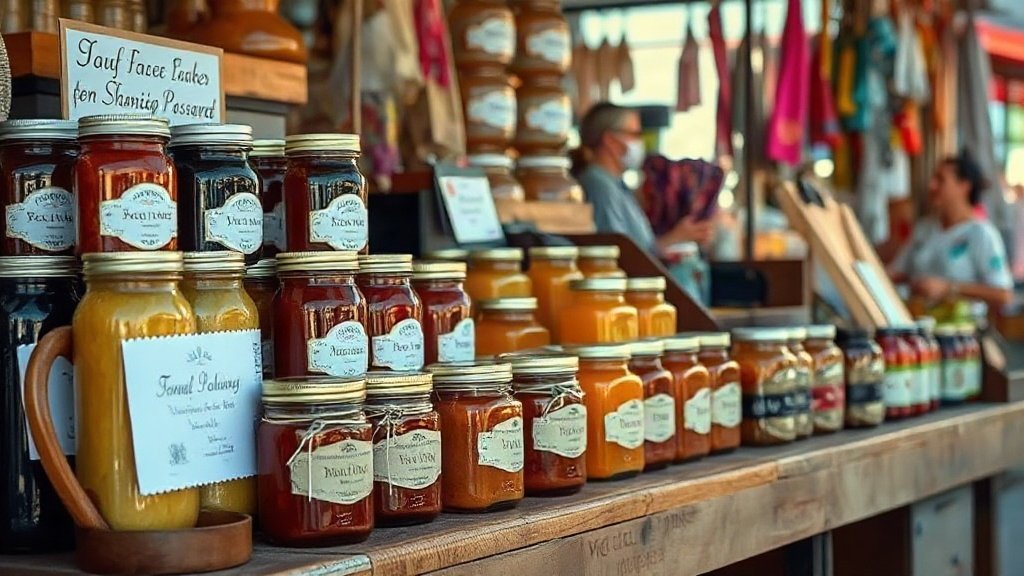
Illustration: AI-generated image
Selling homemade products—whether food, drink, or handicrafts—can be a rewarding way to earn income in Croatia. The country has a strong tradition of artisanal production, and consumers increasingly value locally made goods. However, before you set up a stall or start selling online, it is essential to understand the legal framework and registration requirements.
Registering as a Family Farm (OPG)
The most common route for selling homemade agricultural products is to register as a family farm, known locally as obiteljsko poljoprivredno gospodarstvo or OPG. An OPG is a simplified business form for small-scale agricultural production, including processing items like jams, juices, cheeses, cured meats, and honey. Registration is done through the local administrative office, and it requires proof that you own or have access to land or facilities suitable for the activity.
Once registered, an OPG can sell raw and processed products from its own production. This includes selling at farmers' markets, directly to consumers, to restaurants and shops, and online. However, certain processed foods may require additional approvals from the Ministry of Agriculture or veterinary authorities, especially if they involve animal products.
Other Business Forms
For products that are not agricultural—such as handmade soaps, candles, knitted items, or wooden crafts—you may need to register as a sole trader (obrt) or a limited liability company (d.o.o.). An obrt is suitable for small-scale production and services, while a company might be more appropriate if you plan to grow or hire employees. Registration involves choosing an activity code, obtaining a tax number, and possibly meeting specific craft requirements.
Food Safety and Labelling
If you are selling food or drink, you must comply with Croatian and EU food safety regulations. This includes maintaining hygiene standards in your production space, keeping records of ingredients and batches, and ensuring traceability. Products must be labelled correctly, showing the producer's name and address, list of ingredients, net weight or volume, best-before date, and any allergen information. Certain products, such as honey or olive oil, may have additional quality standards to use protected designations.
Where to Sell
Farmers' markets are popular venues for homemade goods, and many towns have weekly or seasonal markets. Some markets have designated areas for OPG producers. Selling online through social media or your own website is also possible, but you must still comply with consumer protection rules, including clear pricing and delivery terms. Collaborating with local shops and restaurants can be another avenue, often through wholesale agreements.
Tax and Record-Keeping
Like any business, selling homemade products brings tax obligations. OPGs with low turnover may be exempt from VAT, but you must monitor your income and register for VAT if you exceed the threshold. Income tax applies to profits, so keeping accurate records of sales and expenses is essential. It is advisable to consult a local accountant familiar with small agricultural and craft businesses to ensure compliance.
Conclusion
Selling homemade products in Croatia is achievable with careful planning and adherence to regulations. Whether you start as an OPG or register a formal business, understanding the rules on food safety, labelling, and tax will help you build a sustainable venture. With Croatia's rich culinary and craft traditions, there is ample opportunity for dedicated producers to succeed.