How to Set Up Utilities in Your Name in Croatia: A Step-by-Step Guide
Moving into a new home in Croatia means transferring utility contracts into your name. Here’s how to handle electricity, water, gas and internet without stress.
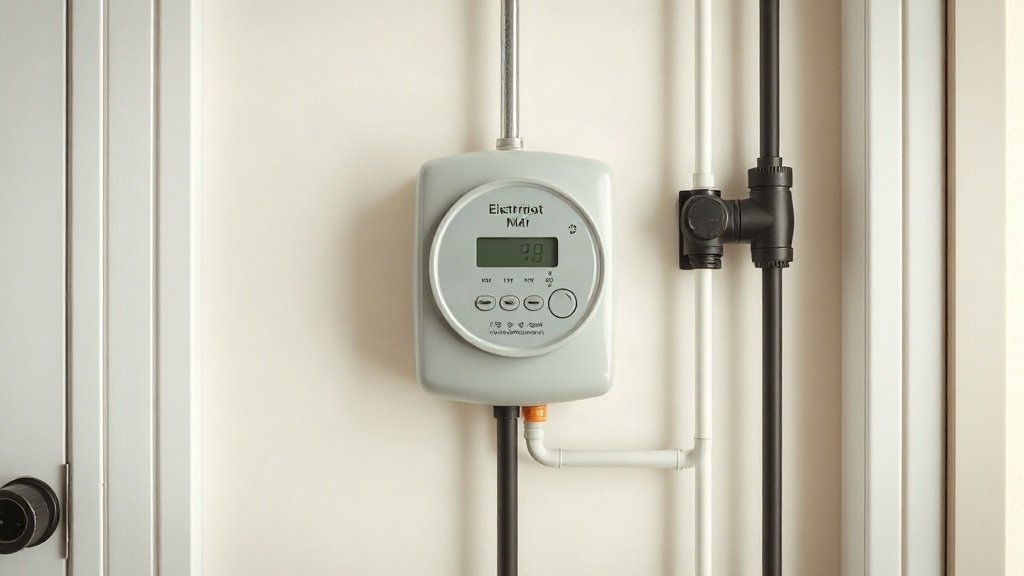
Illustration: AI-generated image
Moving to a new home in Croatia, whether renting or buying, requires transferring utility accounts into your name. This process can seem daunting, but it’s usually straightforward if you have the right documents. Here’s how to handle the main utilities: electricity, water, gas and internet.
Electricity
To transfer electricity into your name, contact the local electricity distribution office. In most areas, this is handled by the regional branch of the national distribution company, but the exact office depends on where you live. You’ll need your personal identification number (OIB), proof of address such as a rental contract or ownership deed, and often a recent meter reading. The process typically involves filling out a form and providing these documents. If you are renting, the landlord may need to give consent or terminate their own contract first. Some services can be initiated online through the government’s e-citizens portal, but in-person visits are still common for first-time setup.
Water
Water supply and sewage services are managed by municipal companies, which vary from town to town. To set up water in your name, visit the local water utility office with your ID, OIB, and proof of address. You may be asked to pay a deposit, depending on the municipality. The water meter will be read at the time of transfer. In apartment buildings, the water supply is often under a collective contract with the building management; in that case, you only need to register with the building manager and pay your share of the bill.
Gas
Not all areas in Croatia have a natural gas network. Many homes use bottled gas or electricity for heating and cooking. If your home is connected to the gas grid, you’ll need to contact the local gas distribution company. The process is similar to electricity: provide your OIB, proof of address, and a meter reading. For bottled gas, no account is needed—you simply purchase gas bottles from local suppliers, often at petrol stations or specialised shops, and exchange empty bottles for full ones.
Internet and TV
Internet and television services are provided by several private companies, so you’ll need to choose a provider and sign a contract. Most providers require a minimum contract period, usually 12 or 24 months. You’ll need your OIB and proof of address. Installation is typically arranged within a few days. Be aware that if you move before the contract ends, you may face early termination fees, so consider the length carefully and ask about transfer options.
Final Tips
Before signing any rental contract, clarify with the landlord which utilities are included and which you need to set up yourself. Always take meter readings when moving in and moving out to avoid disputes. Keep copies of all documents and contracts. And remember that utility bills in Croatia are usually paid monthly, often via direct debit, at the post office, or through online banking. Setting up utilities is a key part of settling into your Croatian home, and with a little preparation, it can be done quickly and easily.