How to Use the Croatian Post Office: A Practical Guide for Sending and Receiving Mail
From buying stamps to sending parcels abroad, here's everything you need to know about using Hrvatska pošta, Croatia's national postal service.
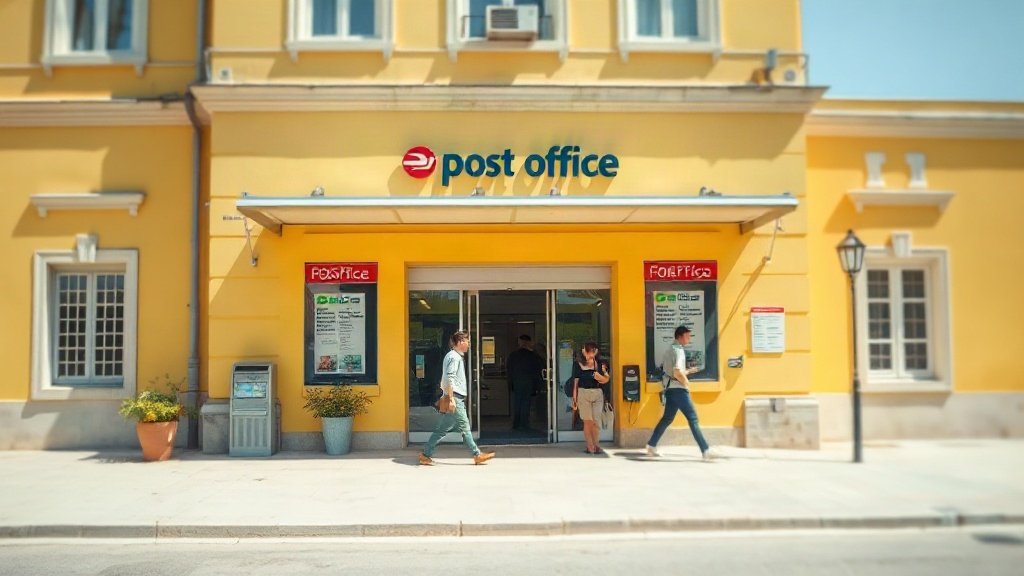
Illustration: AI-generated image
Whether you are sending a postcard to a friend or waiting for an important package, understanding how the postal system works in Croatia can save you time and frustration. Hrvatska pošta, the national postal service, operates a wide network of post offices (pošta) throughout the country, handling letters, parcels, and a range of other services. For newcomers, the system is straightforward once you know a few basics.
Finding a post office
Post offices are easy to spot thanks to their bright yellow signage. You will find at least one in every town and village, and larger cities have several branches. Most post offices are open on weekdays from early morning until early evening, with some branches also opening on Saturday mornings. In tourist areas during the summer, hours may be extended. While you can buy stamps at some newspaper kiosks and shops, for most postal services you will need to visit an actual post office.
Buying stamps and sending letters
When you enter a post office, take a number from the ticket machine and wait for your number to appear on the screen. At the counter, you can buy stamps for letters and postcards. Croatian stamps are often marked with letters rather than monetary values: “A” for standard domestic postage, “B” for letters within Europe, and “C” for the rest of the world. Simpler than it seems, these letters mean you do not need to calculate exact postage. You can also ask the clerk to weigh your item and apply the correct postage directly.
Sending parcels
For packages, you can choose between standard and tracked services. If sending outside the European Union, you will need to complete a customs declaration form, which is available at the counter. The clerk will guide you through the process. Packaging materials, such as boxes and padded envelopes, can be purchased at most post offices. For heavier or valuable items, consider using a tracked or insured service for peace of mind.
Receiving mail and packages
If you have a mailbox at your home or building, letters and small parcels will be delivered directly. For larger parcels that do not fit in the mailbox, you will receive a notification slip (obavijest) in your mailbox. This slip tells you which post office to go to and the deadline for collection, usually within five working days. Bring the slip and a valid ID (passport or residence card) to pick up your item. If you miss the deadline, the parcel may be returned to the sender, so act promptly. Some post offices also offer delivery to a parcel locker, though this is less common outside larger cities.
Other useful services
Beyond mail, Croatian post offices offer a variety of services that can be handy for daily life. You can pay many utility bills (electricity, water, gas) at the post office counter, though online banking is increasingly popular. Some branches also offer money transfers, sale of prepaid SIM cards, and even basic banking services through partner institutions. If you are travelling or do not have a fixed address, you can use the poste restante service to have mail held at a designated post office for collection.
Helpful tips
- Write the address clearly, including the postal code (poštanski broj) before the town name. For international mail, include “Croatia” or “Hrvatska” as the destination country.
- If you are sending multiple items, consider buying a booklet of stamps to avoid queuing each time.
- Post offices can get busy, especially around lunchtime and before public holidays. Try to visit during mid-morning or mid-afternoon for shorter queues.
- Keep your notification slip safe, as you will need it to collect parcels.
With these basics in mind, navigating the Croatian postal system becomes a simple part of everyday life, whether you are sending a birthday card to Zagreb or receiving a care package from home.