Lace, Bells and Masks: A Guide to Croatia's Living Traditions on UNESCO's List
From Pag lace to the bell-ringing Halubajski Zvončari, Croatia's UNESCO-recognised traditions are still practised today. Here is how to understand and experience them.

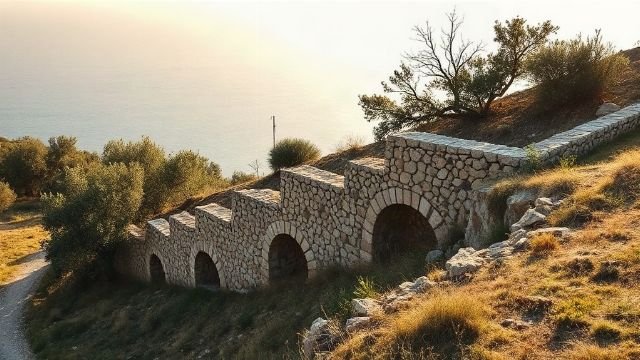
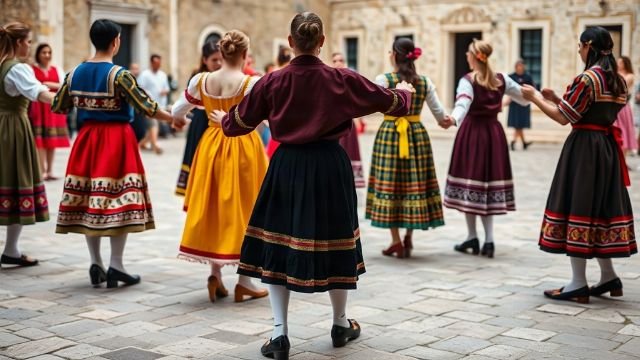
Illustration: AI-generated image
Croatia is often praised for its coastline and old towns, but some of its most distinctive treasures cannot be photographed from a viewpoint. They are skills, songs, rituals and crafts passed from one generation to the next. UNESCO recognises a good number of them on its lists of intangible cultural heritage, and many are still part of everyday life.
What 'intangible heritage' actually means
Unlike a castle or a cathedral, intangible heritage lives in people. It covers traditions, performing arts, craftsmanship and knowledge that communities consider part of their identity. The point of listing them is to encourage communities to keep practising and teaching them.
Lace: patience in thread
Lacemaking is among the best-known Croatian crafts on the list. Three traditions are recognised: lace from the town of Lepoglava in the north, lace from the island of Pag, and lace from the island of Hvar made from agave fibres by benedictine nuns. Each has its own look, materials and technique.
- Lepoglava: bobbin lace, with a long tradition in the Zagorje region.
- Pag: needle lace, with fine, geometric patterns worked in white thread.
- Hvar: delicate lace made from agave fibres, associated with the island's convent.
Bells and carnival
Every winter, in the villages around Kastav in Kvarner, groups known as the Halubajski Zvončari put on sheepskins and large bells and walk from village to village in the carnival season. The noise is meant to drive away winter and evil spirits, and it is one of the most vivid examples of how old customs survive in modern Croatia.
Other traditions worth knowing
- Two-part singing and playing in the Istrian scale, a distinctive style found in Istria and the Croatian Littoral.
- Ojkanje singing, a powerful, shaken-voice style from the Dalmatian hinterland.
- Gingerbread making in northern Croatia, where decorated licitar hearts are made as symbols of affection.
- The Procession Za Križen on Hvar, held on the night of Maundy Thursday.
How to experience them respectfully
These are not performances staged for tourists, so a little courtesy goes a long way.
- Ask before photographing people at work or in ceremonies, especially religious ones.
- Buy directly from makers where you can, and ask about the technique. Handmade pieces take many hours.
- Check local timing. Carnival and religious customs follow the calendar, so look up the season before you plan a trip.
- Visit local museums. Ethnographic museums and town heritage centres often explain the context well.
Why it matters
For residents and newcomers alike, these traditions offer a way into Croatian life that goes beyond beaches and restaurants. Learning a little about them makes a visit richer, and it supports the people who keep them alive.