Lijerica: A Guide to Croatia's Traditional Three-Stringed Fiddle
Discover the lijerica, a bowed string instrument central to Dalmatian folk music, especially the Linđo dance, and learn about its history and cultural role.
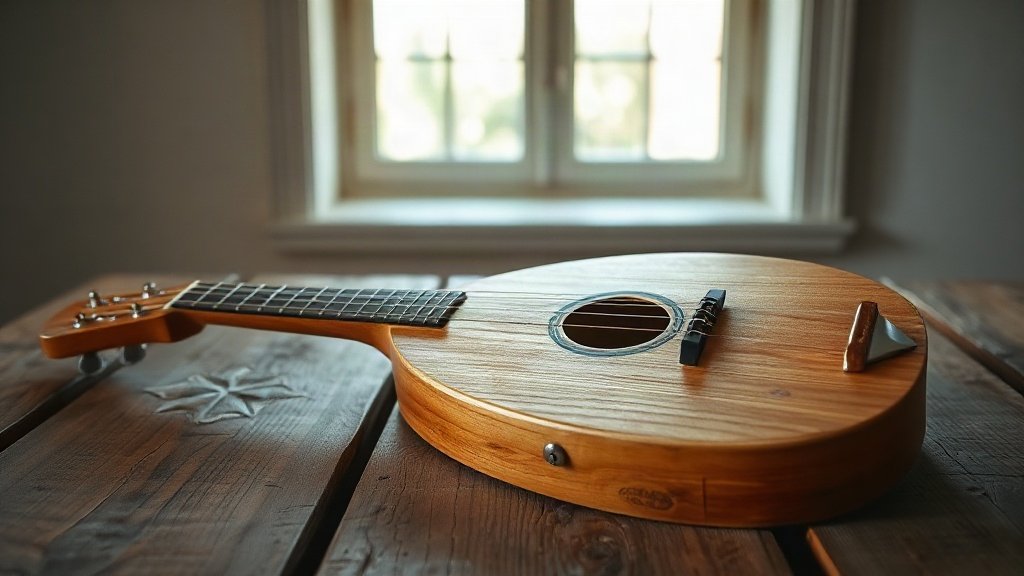
Illustration: AI-generated image
The lijerica is a small, three-stringed bowed instrument that has been the heart of folk music in the Dubrovnik region and across Dalmatia for centuries. Its bright, penetrating sound is instantly recognizable, especially when accompanying the lively Linđo dance. This guide explores the instrument's history, construction, and cultural importance, offering insights for anyone curious about Croatia's living musical heritage.
What is the Lijerica?
The lijerica (pronounced lee-YEH-ree-tsa) is a pear-shaped fiddle with three strings, typically tuned to G, D, and A. It is held upright on the knee, with the player drawing a bow across the strings while using the left hand to stop the strings with the backs of the fingers rather than the fingertips — a technique that produces its distinctive, sharp articulation. The body is carved from a single piece of maple or walnut, and the soundboard is made of spruce with two small sound holes. The instrument is light and portable, ideal for accompanying dancers and singers outdoors.
History and Origins
The lijerica is believed to have evolved from the medieval rebec, which arrived in the Balkans through Venetian and Ottoman influences. Its name likely derives from the Italian "lira" or the Greek "lyra," reflecting centuries of cultural exchange along the Adriatic coast. In the Dubrovnik Republic, the lijerica was the primary instrument for both courtly and popular music. It appears in numerous historical records and paintings, attesting to its enduring presence. Unlike the violin, which later spread across Europe, the lijerica retained its rustic charm and remained tied to rural traditions.
How It Is Played
Playing the lijerica is not for the faint-hearted. The instrument is held vertically, resting on the player's left knee, with the bow held in an overhand grip. The left hand curves around the neck, and the strings are pressed with the nails or the sides of the fingers, allowing for quick slides and ornaments. The bow never leaves the strings, producing a continuous, drone-like sound that suits the rhythmic drive of folk dances. A skilled player can create complex rhythmic patterns by alternating bow pressure and speed, often while stomping a foot to keep time.
Cultural Significance
In Dalmatia, the lijerica is inseparable from the Linđo, a vigorous circle dance performed in Dubrovnik and surrounding islands. The dance master leads a chain of dancers, while a single lijerica player and a drummer set a frantic pace. The music and dance together embody the region's spirit of community and celebration. Beyond Linđo, the lijerica accompanies traditional songs, weddings, and feast-day processions. It is also a symbol of local identity, featured in many cultural festivals and folklore ensembles.
Preserving the Tradition
Today, the lijerica faces competition from modern instruments, but dedicated musicians and cultural organisations are working to keep the tradition alive. Young players learn through workshops and folk groups, and the instrument is increasingly showcased at international world music events. Its raw, energetic sound appeals to contemporary audiences, ensuring that this ancient fiddle will resonate for generations to come.
Whether you encounter it at a village fiesta or in a concert hall, the lijerica offers an authentic taste of Dalmatia's musical soul.