Maneštra: A Guide to Istria's Hearty Bean and Vegetable Soup
Discover the humble yet delicious Istrian soup that has been nourishing locals for centuries, made with beans, vegetables, and often a piece of cured meat.
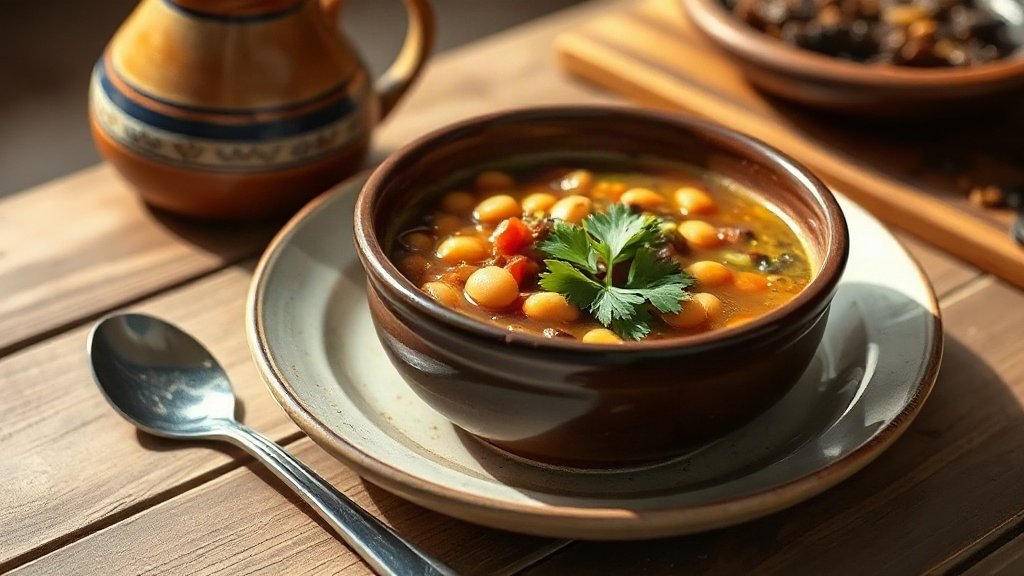
Illustration: AI-generated image
If there is one dish that sums up the rustic, comforting heart of Istrian cooking, it is maneštra. This thick, rib-sticking soup has been a staple on kitchen tables across the peninsula for generations, and for good reason. Made with simple, wholesome ingredients and cooked slowly until everything melds into a deeply satisfying bowl, maneštra is the kind of food that warms you from the inside out.
What is Maneštra?
At its core, maneštra is a bean and vegetable soup, but calling it just a soup undersells it. It is often hearty enough to be a main course, packed with legumes, root vegetables, and usually a piece of cured pork for flavour. The name comes from the Italian minestra, meaning soup, a reminder of the strong Venetian influence on Istrian cuisine. While similar soups exist across the Mediterranean, Istrian maneštra has its own distinct character, shaped by local ingredients and traditions.
The foundation is always beans—typically borlotti or cannellini—which are soaked overnight and then simmered until tender. To this, cooks add a medley of vegetables: potatoes, carrots, celery, onion, and garlic are common, but the recipe is flexible. Depending on the season and what is available, you might also find corn, barley, chickpeas, cabbage, or kale. A piece of dried meat such as pancetta, prosciutto bone, or a local sausage is often thrown in to give the broth a rich, savoury depth.
A Flexible Recipe
One of the beauties of maneštra is that there is no single, rigid recipe. Every family has its own version, passed down through the generations and adapted to what the garden or market provides. In spring, fresh fava beans and peas might make an appearance; in autumn, you might find pumpkin or mushrooms. Some cooks prefer a thick, almost stew-like consistency, while others keep it more brothy. The common thread is patience: the soup is cooked slowly, often for a couple of hours, allowing the flavours to develop and the starches from the beans and potatoes to thicken the liquid naturally.
For a vegetarian version, the meat is simply left out, and the soup still delivers plenty of flavour from the vegetables and a generous glug of good olive oil. In fact, olive oil is essential—a drizzle of extra virgin at the end adds a fruity, peppery note that lifts the whole dish.
How It Is Served
Maneštra is a dish for everyday eating, not just special occasions. In Istrian households, it often appears as a midweek lunch or a simple supper, especially during the cooler months. It is served hot, in deep bowls, with a piece of crusty bread for mopping up the last drops. Some like to add a sprinkle of freshly ground black pepper or a few drops of vinegar. A glass of local red wine, such as a Teran or a Refosco, makes a fine companion.
Because it is so filling and economical, maneštra has long been a favourite of farmers and labourers, providing sustained energy for a day in the fields. Today, it is also celebrated as a comfort food, a taste of home for Istrians wherever they are.
Making Maneštra at Home
If you want to try your hand at maneštra, the process is straightforward. Start by soaking dried beans overnight, then rinse and drain them. In a large pot, sauté chopped onion, carrot, celery, and garlic in olive oil until soft. Add the beans, along with diced potatoes and any other vegetables you like, plus a piece of pancetta or a smoked ham hock if desired. Cover with water or stock, bring to a simmer, and let it cook gently for one to two hours, until the beans are tender and the soup has thickened. Season with salt and pepper, and finish with a generous drizzle of olive oil and some chopped fresh parsley.
The result is a bowl of pure comfort—earthy, nourishing, and deeply satisfying. It is a reminder that the best food often comes from the simplest ingredients, treated with care and time. So next time you are in Istria, seek out a bowl of maneštra in a local konoba, or make your own at home. Either way, you will understand why this humble soup has been loved for centuries.