Medenjaci: A Guide to Croatia's Traditional Honey-Spice Cookies
Discover medenjaci, Croatia's traditional honey-spice cookies, from their festive history to tips for making them at home and enjoying them with coffee or dessert wine.
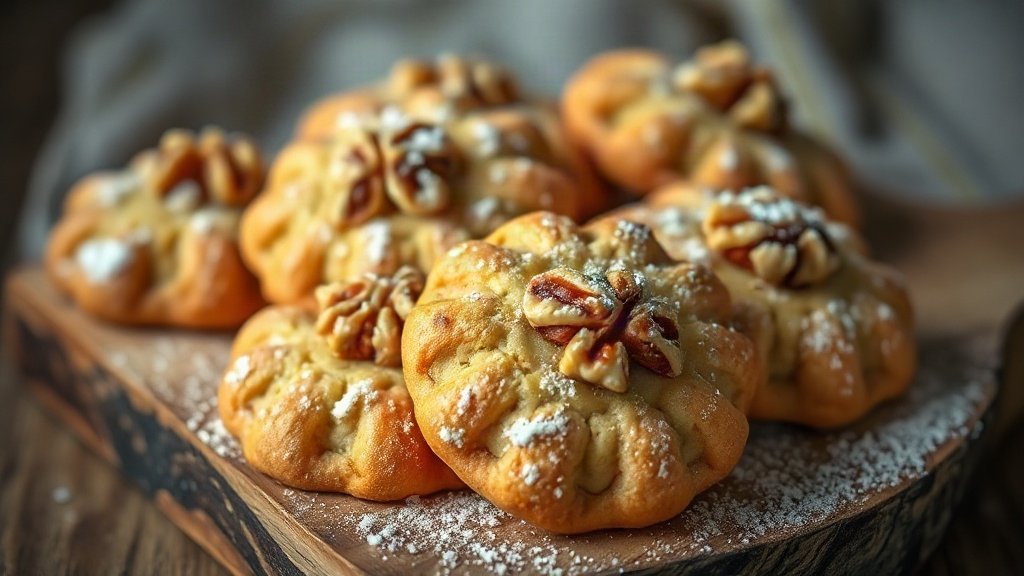
Illustration: AI-generated image
Medenjaci are Croatia's beloved honey-spice cookies, a staple at festive gatherings, fairs and family tables across the country. Soft or crunchy, richly spiced and often glazed with sugar, these treats carry the warmth of honey and a blend of aromatic spices that define many traditional Croatian sweets.
What are medenjaci?
Medenjaci (pronounced meh-deh-nyah-tsee) are small, often round or shaped cookies made with honey, flour, eggs and a mix of spices such as cinnamon, cloves, nutmeg and sometimes ginger or anise. The name comes from "med", the Croatian word for honey, which is both their key ingredient and their main flavour. They can be soft and cake-like or firm and crunchy, depending on the recipe and how long they are baked. Most are finished with a thin sugar glaze or a sprinkle of chopped nuts, giving them a glossy, inviting appearance.
History and tradition
Honey has been used in Croatian baking for centuries, and medenjaci are part of a broader tradition of honey-based sweets that includes licitar hearts and other regional specialities. Historically, honey was prized as a natural sweetener before sugar became widely available, and cookies like these were made for special occasions, particularly around Christmas and Easter. Today, they are enjoyed all year round, often with coffee or tea, and are a common sight at local markets, bakeries and family celebrations. Their spicy aroma is deeply tied to memories of winter holidays and cosy kitchens across Croatia.
Ingredients and regional variations
While basic recipes share honey, flour, eggs and spices, each region and even each family has its own twist. Some add ground walnuts or almonds for texture, others mix in cocoa powder for a chocolate version, and many finish the cookies with a simple sugar glaze or a sprinkle of chopped nuts. In some parts of Croatia, medenjaci are made in decorative wooden moulds to create intricate shapes, while others are cut into simple rounds or diamonds. The spice blend is key: cinnamon is usually dominant, with cloves and nutmeg adding depth, and a touch of black pepper or ginger can give a gentle heat. Some bakers also add a little dark rum or lemon zest to brighten the flavour.
How to make medenjaci at home
Making medenjaci is straightforward, though the dough benefits from resting. A typical method involves gently warming honey with sugar and butter, then mixing it with beaten eggs and sifted flour combined with baking soda and spices. The resulting sticky dough is rolled out, cut into shapes, and baked at a moderate temperature until set but not overly brown. Once cooled, the cookies may be glazed with a simple icing of icing sugar and lemon juice or water, and decorated with walnut halves. For a softer texture, some bakers brush the warm cookies with a little milk or rum. The aroma while baking will fill your kitchen with the comforting scent of honey and spice.
How to enjoy medenjaci
Medenjaci are perfect with a cup of strong coffee, a glass of milk, or a spoonful of sweet dessert wine like prošek. They also make a thoughtful edible gift when packed in a tin, and their spicy aroma evokes the comfort of a Croatian kitchen. Whether enjoyed during the holidays or as an everyday treat, these honey cookies are a delicious introduction to Croatia's rich baking heritage. Try them alongside other traditional sweets like fritule or rožata for a true taste of the country's sweet side.