Mlinci: A Guide to Croatia's Traditional Baked Pasta for Roast Meats
Mlinci are a unique Croatian side dish made from thin sheets of dough that are baked, broken, and then softened in the juices of a roast. Here's everything you need to know about this comforting tradition from Zagorje and Slavonia.
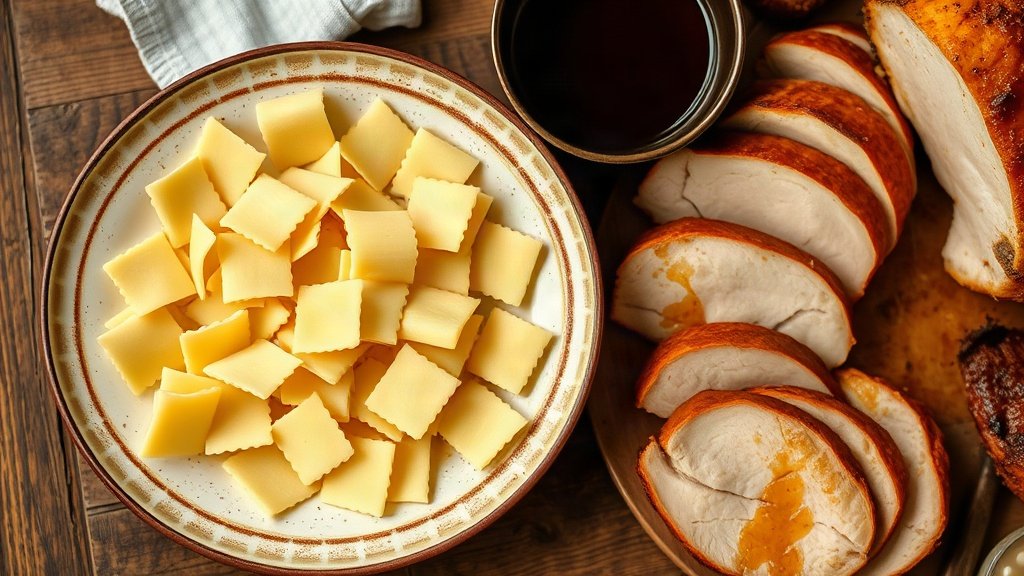
Illustration: AI-generated image
When you sit down to a festive meal in northern Croatia, there's a good chance you'll find a pile of pale, flat, irregularly shaped pasta on your plate. It's not a mistake – it's mlinci, one of the country's most beloved side dishes. Made from simple dough that is baked rather than boiled, mlinci have a uniquely chewy texture and a remarkable ability to soak up rich meat juices.
Mlinci are a specialty of Croatia's continental regions, particularly Zagorje, Slavonia, and Međimurje. They are traditionally served alongside roasted poultry or pork, and no Christmas or family celebration is complete without a generous helping. For visitors, tasting mlinci is a delicious introduction to Croatia's inland culinary traditions, which are often overshadowed by the seafood of the coast.
What Exactly Are Mlinci?
Mlinci are not pasta in the usual sense. They are made from a simple dough of flour, water, and sometimes eggs, which is rolled out very thinly into large sheets. These sheets are then baked on a hot griddle or in a dry oven until they become crisp and lightly browned. Once baked, the sheets are broken into pieces roughly the size of a hand – these are the mlinci.
The final step happens at the table or in the kitchen: the dry mlinci are placed in a bowl and covered with the hot juices and fat from a roasted turkey, duck, goose, or pork. The mlinci absorb the liquid, soften, and take on a wonderful, savoury flavour. They are often served alongside the carved meat, making a rustic and hearty combination.
A Tradition Rooted in Family and Feasting
The origins of mlinci are humble. Long before ovens were common, villagers would bake the thin dough on the hearth or on a metal plate over an open fire. The dry, crisp sheets could be stored for months, making them a practical staple. When a special meal was prepared – a roast for a wedding, a saint's day, or Christmas – the mlinci were brought out and revived with the precious meat juices.
Today, mlinci remain a cherished part of festive meals in northern Croatia. In many families, the preparation is a communal event: one person rolls the dough, another bakes it, and children often help break the crisp sheets. The aroma of roasting meat mingled with the toasty scent of baked mlinci is, for many Croats, the smell of home.
How to Enjoy Mlinci Like a Local
If you are travelling through Zagreb or the regions of Zagorje and Slavonia, look for mlinci on the menu of traditional restaurants or konobas. They are usually listed as a side dish with roast turkey, duck, or pork. Sometimes you will see them served with a simple poultry stew or even alongside mushrooms in a creamy sauce for a vegetarian option.
To eat mlinci, simply take a piece with your fork and enjoy it with a bit of meat and some of the pan juices. The texture should be tender but slightly chewy, and the flavour should be rich and savoury. Don't be surprised if the portion is generous – mlinci are meant as comfort food.
Making Mlinci at Home
If you want to try making mlinci at home, the process is straightforward, though it does require some space and patience. Start with a dough made from flour, water, a pinch of salt, and optionally an egg and a little oil. Roll it out as thin as possible – the thinner the dough, the better the result. Cut the dough into manageable sheets and bake them on a dry griddle or in a low oven until they are crisp and lightly browned but still pale.
Once cooled, break the sheets into pieces. When your roast is ready, transfer some of the hot juices and fat to a wide bowl, add the mlinci, and let them soak for a few minutes, turning them gently until they are softened. Serve immediately.
Mlinci are more than just a side dish; they are a symbol of Croatian hospitality and the resourcefulness of inland cooking. Next time you find yourself in continental Croatia, don't leave without trying them.