One in Six US Teens Show Moderate to Severe Anxiety Symptoms, Study Finds
A major US study published in JAMA Pediatrics reveals that about one in six adolescents aged 12–20 experience moderate to severe anxiety symptoms, with girls affected at more than twice the rate of boys.
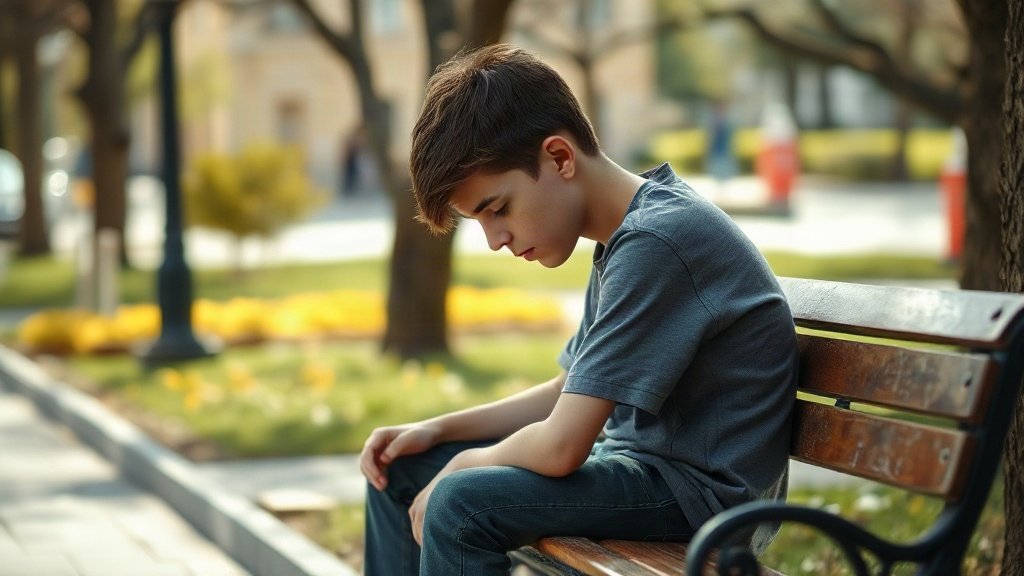
Illustration: AI-generated image
About one in six American teenagers and young adults aged 12 to 20 experience moderate to severe anxiety symptoms, according to a new study published in JAMA Pediatrics. The research, led by T. Greg Rhee, an epidemiologist at the University of Connecticut, analysed data from 15,730 adolescents and is one of the largest recent looks at anxiety in this age group.
Girls reported symptoms at more than twice the rate of boys. Around 17% of girls had moderate symptoms and 11% had severe symptoms, compared with 6% and 4% of boys respectively. The study also found that more pronounced anxiety was linked to higher rates of depression, suicidal thoughts and use of addictive substances.
Nearly half of teenagers with severe anxiety symptoms said they had not sought any mental health support in the previous year. Young men and those who faced greater barriers to healthcare were less likely to ask for help. Rhee told ABC News that several factors probably play a role, including stigma, a shortage of therapists for children and adolescents, financial costs and long waiting lists.
Recognising anxiety in teenagers can be difficult because they often hide their feelings. Signs may include excessive worry about everyday situations, difficulty concentrating, irritability, mood swings and withdrawal from social activities. Physical complaints such as headaches or stomach aches, trouble sleeping and a constant need for reassurance can also be warning signs. If such symptoms are frequent, long-lasting or interfere with daily life, experts advise seeking professional help.
The study did not examine the causes of anxiety, but Rhee said the results provide “a new national baseline” for tracking changes in youth mental health. While the data come from the United States, the findings add to a growing global conversation about adolescent wellbeing and the need for accessible support services.