Pogača: A Guide to Croatia's Traditional Bread
From everyday flatbread to festive loaf, pogača is a staple of Croatian tables. Discover its regional varieties, ingredients and how it is traditionally made.

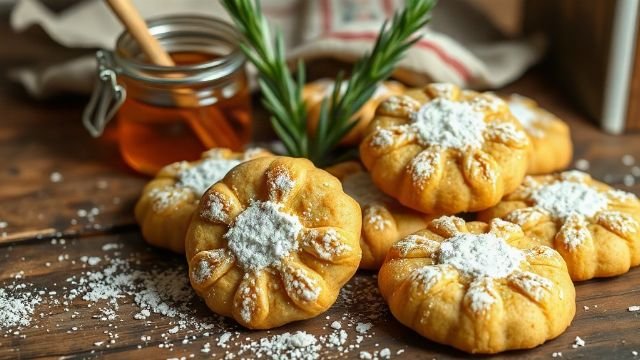
Illustration: AI-generated image
Walk into any Croatian bakery or home kitchen and you are likely to encounter pogača, a humble yet beloved bread that has been a cornerstone of the country's culinary tradition for centuries. Unlike the more elaborate pastries that gain international fame, pogača remains a quiet staple, appearing on tables from the Dalmatian coast to the Slavonian plains. Whether flat and crisp or soft and pillowy, this bread is a symbol of hospitality and everyday nourishment.
What is Pogača?
Pogača is a round, leavened bread made from simple ingredients: flour, water, yeast and salt. The name derives from the Latin word focus, meaning hearth, reflecting its ancient origins as a bread baked directly on hot embers or under a bell-shaped lid. Today, pogača is baked in wood-fired ovens, conventional ovens, or even on a griddle, but the essence remains the same: a versatile bread that accompanies nearly every meal.
Regional Varieties
Croatia's diverse geography has given rise to several distinct styles of pogača. In Dalmatia, the bread is often flat and scored with a crosshatch pattern, brushed with olive oil and sprinkled with coarse salt before baking. The result is a crisp, savoury flatbread that pairs beautifully with cheese, pršut and olives.
In Istria, pogača may include mashed potatoes in the dough, yielding a softer, more tender crumb. Some versions are enriched with milk or eggs, making them richer and slightly sweet. Meanwhile, in Slavonia, pogača is typically taller and fluffier, often baked as a large round loaf for festive occasions. The most celebrated Slavonian version is božićna pogača, a Christmas bread that hides a coin inside; the person who finds the coin in their slice is said to enjoy good luck for the year.
Ingredients and Preparation
The basic pogača dough is straightforward: flour, water, yeast and salt. Olive oil is a common addition in coastal regions, while inland recipes may use lard or butter for a richer flavour. Some cooks add herbs such as rosemary or oregano, or incorporate whole grains for a nuttier taste.
Traditionally, pogača was baked in a krušna peć, a dome-shaped wood-fired oven, or under a peka, a metal bell covered with embers. These methods impart a subtle smokiness and a beautifully blistered crust. In modern kitchens, a standard oven or a stovetop griddle can produce excellent results, with bakers often placing a tray of water in the oven to mimic the steam of a wood-fired environment.
When is Pogača Eaten?
Pogača is an everyday bread, but it also holds a place of honour at celebrations. In Dalmatia, it is a common accompaniment to grilled fish and meat, while in Slavonia it is served alongside hearty stews and sausages. At weddings, christenings and other family gatherings, a large pogača is often broken by hand rather than sliced, symbolising unity and shared abundance.
During the Christmas season, many households bake a special pogača decorated with dough shapes such as crosses, animals or braids. This festive bread is placed on the table as a centrepiece and eaten after the midnight mass or on Christmas morning.
How to Enjoy Pogača
The simplest way to enjoy pogača is warm from the oven, torn into pieces and dipped in olive oil or spread with butter. It also makes an excellent base for bruschetta-style toppings: ripe tomatoes, garlic and basil in summer, or creamy cheese and honey in winter. Leftover pogača can be toasted and used for soups or turned into breadcrumbs for coating meats and vegetables.
Whether you encounter it in a village bakery or a city market, pogača offers a taste of Croatian tradition that is both comforting and enduring. Its simplicity is its greatest virtue, proving that the most humble ingredients can create something truly memorable.