Proja: A Guide to Croatia's Traditional Cornbread
Discover proja, the golden cornbread staple of inland Croatia. Learn about its simple ingredients, regional variations and the best ways to enjoy it.
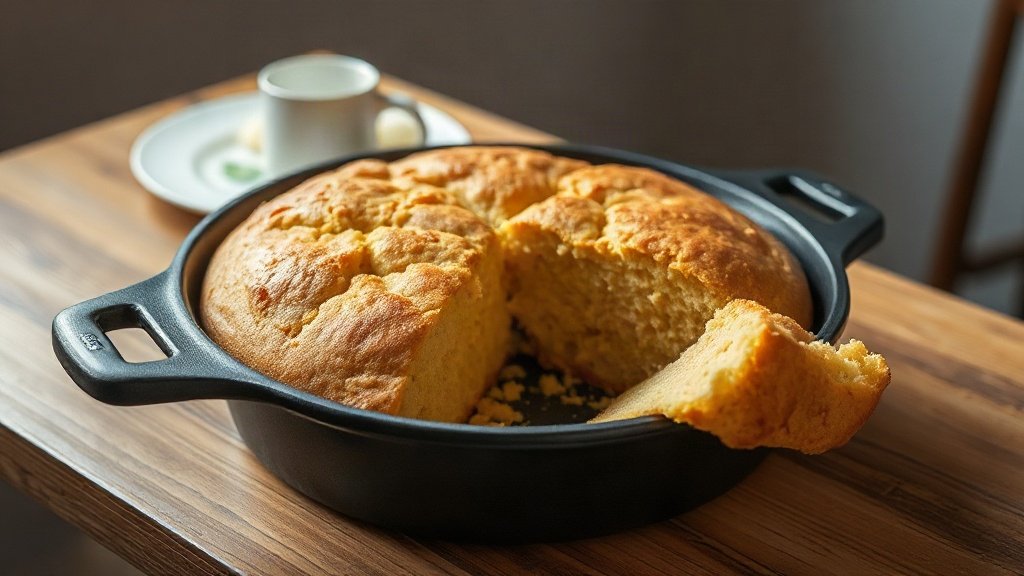
Illustration: AI-generated image
Proja is one of Croatia's most comforting everyday foods—a simple cornbread with a golden crust and a soft, slightly crumbly interior. It has been a staple in inland regions like Slavonia, Zagorje and Lika for generations, prized for its humble ingredients and versatility. Unlike the sweet, cake-like cornbreads found elsewhere, Croatian proja is usually savoury or neutral, making it a perfect companion to stews, soups and fresh dairy.
What is proja?
At its core, proja is a quick bread made from cornmeal, often combined with wheat flour, eggs, milk or yogurt, oil or lard, and a leavening agent such as baking powder. The batter is poured into a baking pan and cooked until the top is golden and the centre is springy. The result is a dense but tender loaf with a distinct corn flavour and a pleasant grittiness from the cornmeal.
The name 'proja' comes from the Croatian word for millet, an ancient grain that was once more common in the region. As corn spread through the Balkans in the 18th and 19th centuries, it largely replaced millet in daily cooking, but the name stuck to the cornbread that became a cornerstone of rural tables.
Regional variations
While the basic recipe is similar across Croatia, each area has its own twist. In Slavonia, proja is often enriched with pork cracklings (čvarci) or bits of smoked bacon, giving it a salty, savoury kick. In Zagorje, it is frequently baked with fresh cow's cheese (sir) or sour cream folded into the batter, creating a moister, tangier version sometimes called sirnjača. Along the coast, a lighter proja made with olive oil and sometimes spinach or Swiss chard appears as a side to fish stews, though it is less common than in the continental regions.
A popular modern variation is projara, a richer, fluffier version that includes more eggs, cheese and sometimes yogurt, resembling a savoury soufflé or a crustless quiche. Projara is often served as a main course for lunch or a hearty snack, cut into squares and enjoyed warm or at room temperature.
How proja is served
Proja is a flexible food that fits any meal of the day. For breakfast, it is commonly eaten with yogurt, fresh milk or a drizzle of honey. As a side, it soaks up the rich sauces of čobanac, fiš paprikaš or grah (bean stew). It also pairs beautifully with fermented cabbage dishes and roasted meats. A slice of proja with a glass of cold kefir or soured milk (kiselo mlijeko) is a classic afternoon snack in rural households.
Many families bake proja in a square pan and cut it into squares, while others use a round cast-iron skillet for a rustic presentation. It is best enjoyed fresh from the oven, but leftover proja can be reheated or even toasted and buttered the next day.
Making proja at home
Proja is forgiving and easy to make, which is why it remains a go-to for home cooks. The basic procedure involves whisking together dry ingredients (cornmeal, flour, baking powder, salt), then stirring in beaten eggs, milk or yogurt, and melted fat. Optional additions like crumbled cheese, cracklings or chopped herbs are folded in before the batter is poured into a greased pan. The bread is baked in a moderately hot oven for about 30–40 minutes, until a toothpick inserted in the centre comes out clean.
Because cornmeal varies in coarseness, the texture can range from fine and cake-like to coarse and crumbly. Some cooks soak the cornmeal in milk for a few minutes before mixing to soften it and prevent a dry crumb. The result is a bread that is both nourishing and nostalgic, evoking the simple, hearty cooking of Croatia's countryside.
Whether you encounter proja at a family table in Osijek, a village festival in Zagorje, or make it yourself from a traditional recipe, it offers a genuine taste of Croatian home cooking—unpretentious, satisfying and deeply rooted in the land.