Škripavac: A Guide to Croatia's Squeaky Cheese from Lika
Discover Škripavac, the fresh, squeaky cheese from Croatia's Lika region, and learn how to enjoy it like a local.
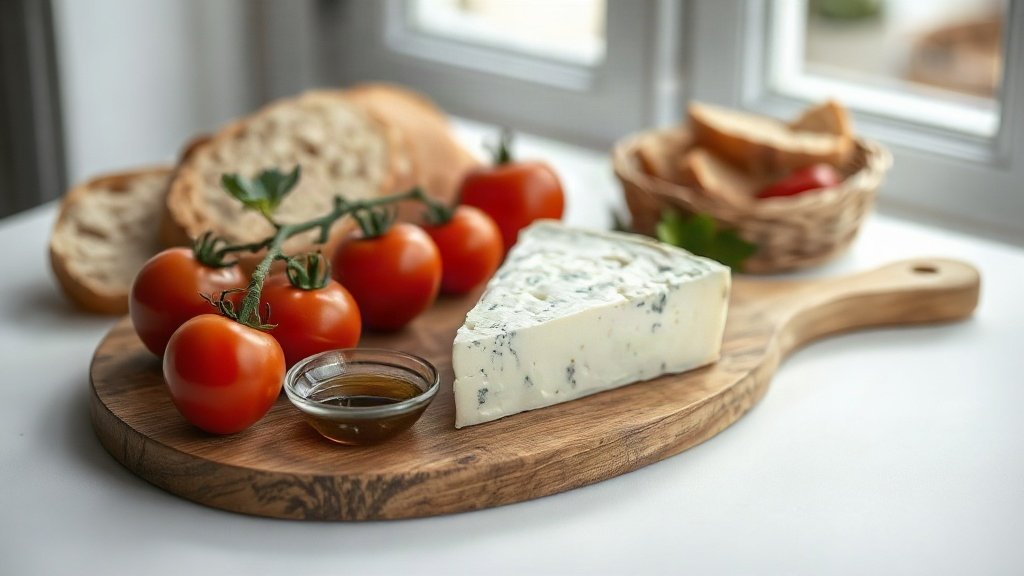
Illustration: AI-generated image
If you've ever bitten into a piece of cheese that squeaks against your teeth, you've likely tasted something like Škripavac. This fresh, soft cheese from Croatia's mountainous Lika region is named after that very sound: in Croatian, 'škripati' means 'to squeak'. It's a beloved staple on tables across the country, yet remains one of Croatia's lesser-known culinary treasures for visitors.
What exactly is Škripavac?
Škripavac is a fresh, unripened cheese traditionally made from raw cow's milk, though pasteurised versions are also common. It has a mild, slightly tangy flavour and a firm, rubbery texture that literally squeaks when you chew it. The squeak comes from the cheese's high moisture content and the way its proteins are structured; as you bite, the curds rub together, producing that characteristic sound.
The cheese is formed into small loaves or blocks, usually weighing between 500 grams and a kilogram. Its colour is pure white, and it has no rind. Because it's not aged, Škripavac must be eaten within a few days of production, which is why it's rarely found far from where it's made.
Where does it come from?
Škripavac originates from the Lika region, a vast, sparsely populated plateau in central Croatia, known for its harsh winters and pristine pastures. For centuries, local farmers relied on cattle for milk, and Škripavac was a way to preserve surplus milk quickly. Today, it remains a symbol of Lika's culinary identity, though it's produced and enjoyed throughout Croatia.
Similar squeaky cheeses exist in other parts of the world—such as cheese curds in North America or Halloumi from Cyprus—but Škripavac has its own distinct character, shaped by the local climate, cattle breeds, and traditional methods.
How is it made?
The production of Škripavac is simple but precise. Fresh milk is heated to around 32–35°C, then rennet is added to coagulate it. Once the curd forms, it's cut into small pieces and gently stirred. The curds are then drained and pressed into moulds, where they're left to set for several hours. The cheese is salted lightly, either by brining or by rubbing salt on the surface, which also helps to preserve it for a short time.
Traditionally, Škripavac was made at home or in small dairies, often using milk from the indigenous Buša cow, a hardy breed well-suited to Lika's rugged terrain. Today, larger producers also make it, but artisanal versions are still prized.
How to enjoy Škripavac
Škripavac is incredibly versatile. Its fresh, milky flavour pairs beautifully with simple ingredients, making it a favourite for breakfast, snacks, or light meals.
- Fresh with bread: Serve it sliced or cubed alongside crusty bread, fresh tomatoes, and a drizzle of olive oil. A sprinkle of sea salt and cracked pepper enhances its taste.
- In salads: Cube it and toss into a green salad or a traditional Croatian tomato and cucumber salad. The cheese holds its shape well and adds a pleasant squeaky bite.
- With cured meats: On a charcuterie board, Škripavac contrasts nicely with pršut (dry-cured ham), kulen (spicy sausage), and olives.
- Grilled or fried: Because it doesn't melt easily, Škripavac can be sliced thickly and grilled or pan-fried until golden, much like Halloumi. Serve it with a squeeze of lemon and fresh herbs.
Locals often enjoy it with a glass of white wine, such as Graševina, or a light red like Teran. For a non-alcoholic option, pair it with sparkling water and a slice of lemon.
Where to find it
While Škripavac is most authentic in Lika, you can find it in well-stocked supermarkets and cheese shops across Croatia, especially those with a focus on regional products. When travelling through Lika, look for it at farmers' markets or directly from small family farms—many of which sell cheese from their doorsteps.
If you can't travel to Croatia, some specialty food stores abroad may carry it, though freshness is key. Look for Škripavac that is white, moist, and slightly springy to the touch, with no signs of dryness or discolouration.
Why it matters
Škripavac is more than just a quirky cheese; it's a link to Croatia's rural heritage. By choosing it, you support small-scale farmers and traditional methods that have sustained communities for generations. And, of course, the squeak is reason enough to give it a try.