The Licitar Heart: Croatia's Edible Symbol of Love
Discover the history and cultural significance of licitar hearts, the ornate gingerbread decorations that have been a beloved Croatian tradition for centuries.
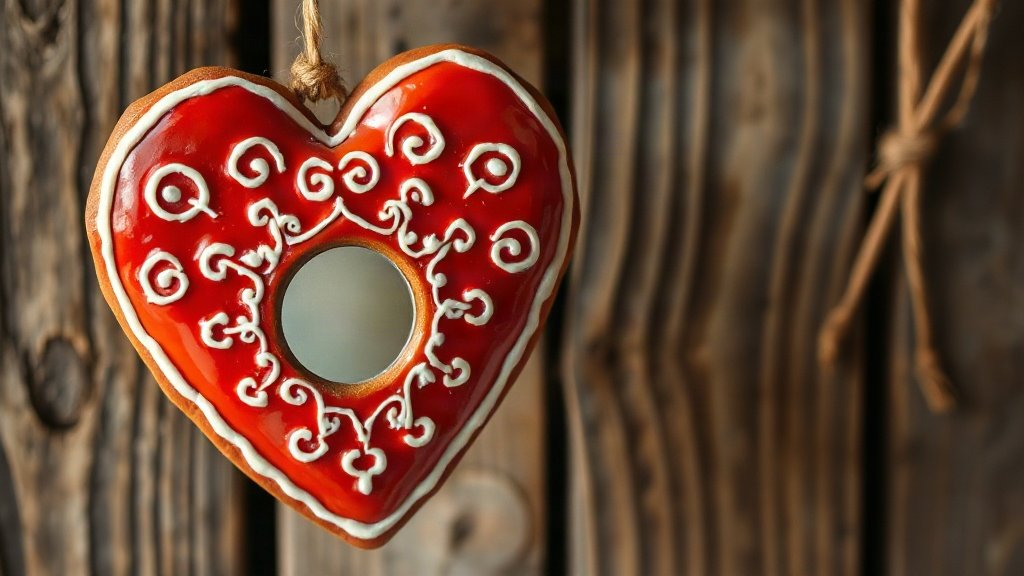
Illustration: AI-generated image
Bright red, heart-shaped and elaborately decorated, the licitar heart is one of Croatia's most recognisable folk crafts. These glossy gingerbread biscuits are not just for eating – they are tokens of affection, festive decorations and treasured souvenirs. Originating in northern Croatia, the licitar has become a national symbol, and its traditional craft was inscribed on UNESCO's Representative List of the Intangible Cultural Heritage of Humanity in 2010.
What is a licitar heart?
A licitar heart is a hard, decorative biscuit made from a simple dough of flour, water, sugar and baking soda, sometimes with spices. After baking, it is dipped in a shiny red sugar glaze and then painstakingly decorated with piped royal icing in contrasting colours – usually white, yellow and green – to create floral motifs, geometric patterns and sometimes a small mirror in the centre. The result is a vibrant, glossy ornament that can last for years if kept dry.
History and tradition
The craft of making licitar dates back to the Middle Ages, when gingerbread making spread across Central Europe. In Croatia, it flourished particularly in the north, around Zagreb and in regions such as Hrvatsko Zagorje and Samobor. Originally sold at fairs and on pilgrimages, licitar hearts became a popular way for young men to express romantic interest. Giving a girl a decorated heart was a clear sign of affection, and the tradition persists today as a token of love, friendship or good wishes.
Over the centuries, the craft was passed down through families, with artisans developing their own distinctive styles. The bright red colour, the use of a small mirror and the elaborate piping are characteristic of Croatian licitar, which differs from similar gingerbread in neighbouring countries.
How they are made
Traditional licitar making is a multi-step process. The dough is rolled out, cut into heart shapes, and baked at a low temperature until it becomes hard and dry. Once cooled, the biscuits are dipped in a sugar-based red glaze, which gives them their signature glossy finish. While the glaze is still wet, the artisan decorates the heart with royal icing, often using a piping bag to create intricate patterns. A small mirror is sometimes pressed into the centre, and messages or initials may be added. Today, many licitar hearts are produced commercially, but a number of artisans still practise the traditional craft by hand.
Where to find them
Licitar hearts are ubiquitous in Zagreb, especially around Christmas markets, where they are sold as tree decorations and gifts. The town of Samobor, just west of the capital, is particularly renowned for its licitar tradition and hosts a number of workshops and small producers. Souvenir shops throughout Croatia sell licitar hearts in various sizes, often packaged as keepsakes. In many Croatian homes, they hang on walls or are kept in display cabinets as mementos of love and celebration.
A timeless gift
Whether given as a romantic gesture, a wedding favour or a Christening gift, the licitar heart carries deep cultural meaning. Its durability makes it a lasting reminder of Croatia and its folk heritage. For visitors, it is a charming and affordable souvenir that embodies the warmth and creativity of Croatian tradition.