The Šestine Umbrella: Zagreb's Iconic Red Folk Craft
Discover the history and artistry of the Šestine umbrella, a hand-painted red umbrella that has become a beloved symbol of Zagreb and Croatian folk culture.
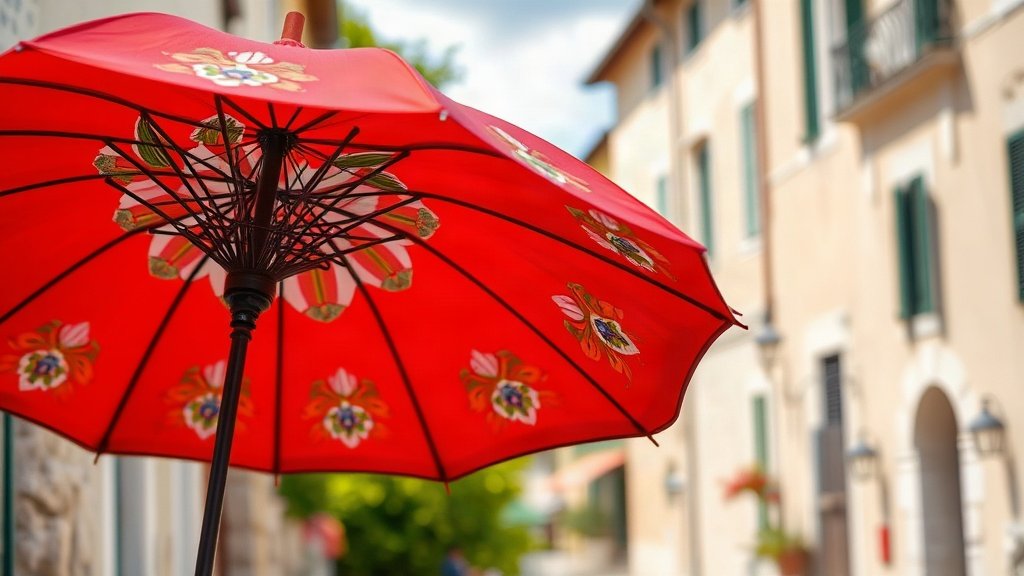
Illustration: AI-generated image
The Šestine umbrella is one of Croatia's most recognisable folk artefacts. With its vivid red canopy, wooden frame and hand-painted floral motifs, it has moved from a practical item of rural dress to a beloved symbol of Zagreb and the surrounding region. Here is a closer look at its story.
Origins in the Šestine Village
The umbrella takes its name from Šestine, a village on the southern slopes of Mount Medvednica, just north of Zagreb. Historically, it was part of the traditional folk costume worn by women in this area. The bright red colour and decorative painting made it stand out against the simpler white and dark clothing, adding a cheerful note to everyday and festive attire. Over time, the umbrella became so closely associated with the village that it adopted its name.
Crafting the Umbrella
Traditional Šestine umbrellas are made by hand. The frame is carved from wood, usually beech or hazel, and the canopy is cut from strong cotton fabric dyed a deep red. Skilled artisans then paint the fabric with a brush, using oil-based paints that resist fading and water. The designs are typically floral—roses, tulips, carnations and other blossoms—arranged in a symmetrical pattern around the centre. Some umbrellas also feature geometric borders or small birds, but the red-and-flower combination remains the classic look.
Symbolism and Cultural Role
Beyond its practical use as protection from sun and rain, the Šestine umbrella carries cultural meaning. In local tradition, a young man would offer an umbrella to his sweetheart as a token of affection, and it became a common gift for weddings and other celebrations. The umbrella also features in the region's folk dances, where dancers twirl it to add colour and movement. Today, it is widely seen at folk festivals, on stage, and in the hands of people celebrating Croatian heritage, both at home and abroad.
A Symbol of Zagreb
Although rooted in a single village, the Šestine umbrella has grown into a symbol of Zagreb itself. The city's tourism board and many local businesses use its image on souvenirs, postcards and promotional materials. Walking through the old town, especially around Dolac Market or the Upper Town, visitors will spot red umbrellas hanging as decorations or sold in craft shops. They serve as a cheerful reminder of the region's living folk tradition.
How to Recognise an Authentic Piece
If you are looking to buy a Šestine umbrella, a few details set the genuine article apart from mass-produced imitations. Look for a wooden handle and ribs, not plastic. The fabric should be cotton, not synthetic, and the painting should be done by hand—this means slight irregularities in brushwork and slight differences between individual flowers. Authentic umbrellas are often signed or stamped by the maker. Whether functional or purely decorative, a well-made Šestine umbrella is a piece of art that carries a story.