Vis Island: A Travel Guide to Croatia's Far-Flung Gem
Discover Vis, Croatia's outermost inhabited island, where rugged coastlines, hidden beaches, and a laid-back pace offer a timeless escape.
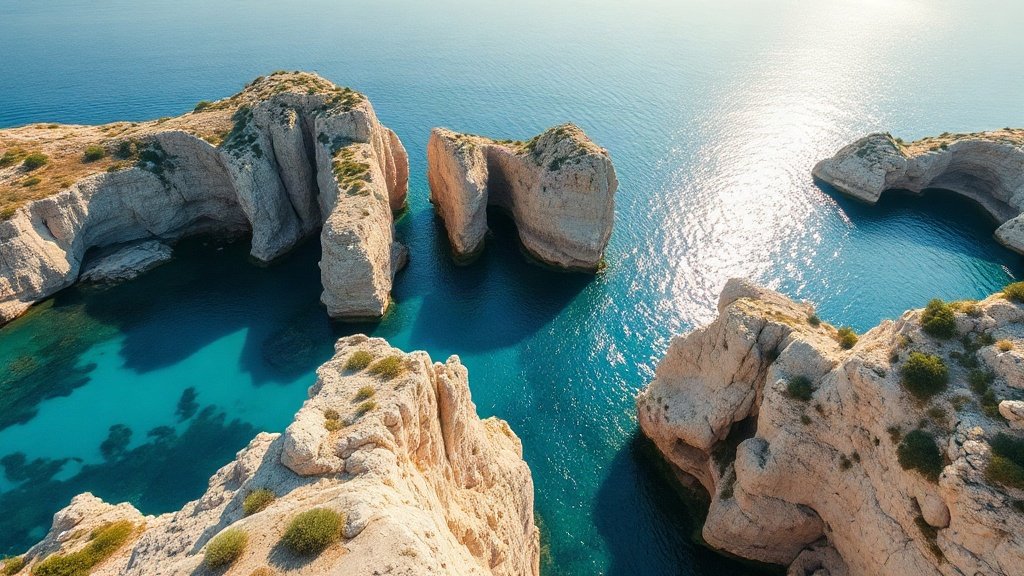
Illustration: AI-generated image
Far from the mainland crowds, the island of Vis feels like Croatia's best-kept secret. The furthest inhabited island from the coast, Vis was closed to foreign visitors for decades as a military base, which left its landscape remarkably unspoiled. Today, it attracts travellers who want authentic island life, dramatic nature, and a slower rhythm.
Getting There and Around
Vis is reached by ferry from Split, with a journey of about two and a half hours. Car ferries and passenger catamarans run regularly, especially in summer. Once on the island, the two main towns—Vis and Komiža—are connected by a scenic road that winds through vineyards and olive groves. Renting a scooter, bike, or car is the best way to explore hidden coves and inland villages. Walking is possible but distances are long.
Beaches and Bays
Vis is famous for its rugged coastline dotted with pebble beaches and secluded coves. Stiniva Cove, on the south side, is often listed among Europe's best beaches: a narrow pebble beach enclosed by towering cliffs, reached by a steep footpath or by boat. Srebrna Bay, near Rukavac, offers clear water and a more relaxed setting. For a wilder experience, follow the coastal paths to small coves like Mala Travna or Velka Travna, where you may have the sea to yourself.
A Walk Through History
The island's strategic position has shaped its past. The town of Vis, on the north coast, has a long waterfront promenade, a small archaeological museum, and remnants of ancient Issa, a Greek colony founded in the 4th century BC. Above the town, the British-built Fort George offers panoramic views. Komiža, on the west coast, is a fishing village with stone houses and a proud maritime tradition. The island is scattered with abandoned Yugoslav military tunnels and bunkers, some now used as wine cellars or art spaces, adding an intriguing layer to any visit.
Tastes of Vis
Local cuisine is simple and tied to the land and sea. The island is known for Vugava, a white grape variety that produces aromatic, slightly sweet wines. Traditional dishes include grilled fresh fish, octopus salad, and viška pogača, a savoury pie filled with salted anchovies, onions, and tomatoes. Many family-run konobas serve these dishes with pride, often using ingredients from their own gardens.
Best Time to Visit
The island is most popular in July and August, when ferries are fullest and beaches busiest. For a quieter experience, aim for late May, June, or September, when the sea is warm enough for swimming and the light is golden. Spring brings wildflowers, while autumn is ideal for hiking and wine tasting. Winter is very quiet, with fewer services, but offers a glimpse of true island solitude.