Why Croatian Sea Salt from Pag is a Kitchen Must-Have
Pag's sea salt, harvested by hand from the Adriatic, offers a clean, mineral-rich flavour that elevates everything from grilled fish to simple tomato salads.
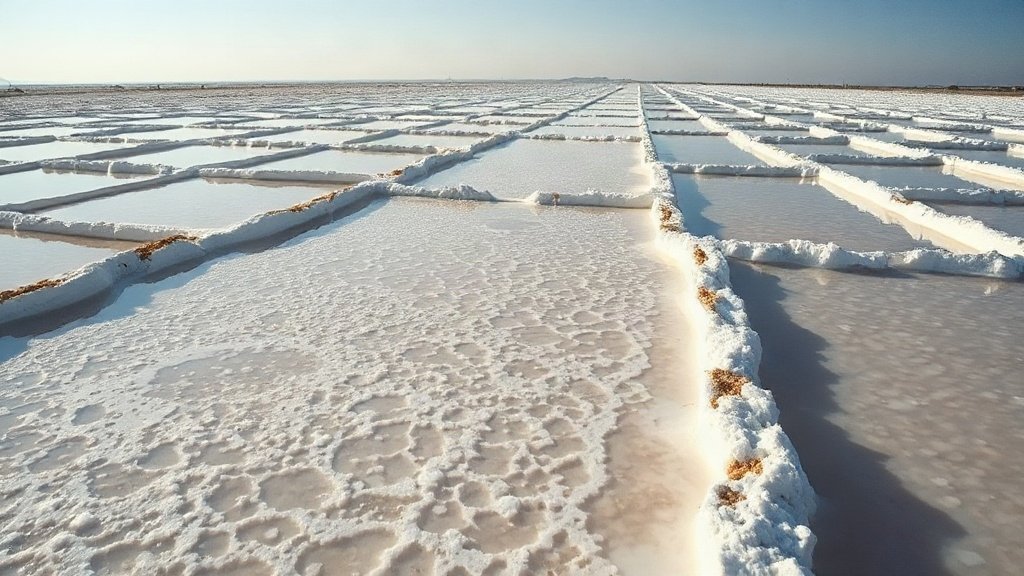
Illustration: AI-generated image
If you have ever cooked with a pinch of flaky sea salt from the Mediterranean, you know that not all salt is created equal. In Croatia, the island of Pag has been producing some of the finest sea salt in the Adriatic for centuries, and it is well worth seeking out for your own kitchen.
The salt pans on Pag, as well as those near Ston on the Pelješac peninsula, rely on a simple, time-honoured method: shallow pools of seawater are left to evaporate under the sun and wind, leaving behind pure white crystals. Because the process is slow and natural, the salt retains a wide range of minerals from the sea, giving it a complex, briny flavour that is less harsh than refined table salt.
Salt production on Pag goes back to the Middle Ages, and the island’s salt pans were once so valuable that they helped fund the construction of the town walls in Pag. Though the island’s production is smaller than in the past, local families still carry on the tradition, and the salt’s reputation for quality has spread well beyond Croatia’s borders.
Ston, at the base of the Pelješac peninsula, is another historic salt-producing area. Its salt pans are among the oldest in Europe, and the nearby town is famous for its medieval walls. Here, too, the salt is harvested using traditional methods, and many visitors enjoy watching the process as they explore the region.
What Makes Pag Salt Different?
Pag’s unique geography plays a big role. The island has very little topsoil and is battered by strong winds, which means the seawater in the pans evaporates quickly and cleanly. Many local producers still harvest by hand, raking the salt into neat pyramids and letting it dry in the open air. The result is a salt with a bright, clean taste and a delicate crunch that works beautifully as a finishing touch.
Croatian sea salt typically comes in a few forms. Coarse crystals are ideal for salting water for pasta or for baking fish in a salt crust. Fine salt works for everyday cooking. And if you are lucky, you may find fleur de sel—the thin, delicate layer of crystals that forms on the surface of the pans, which is prized by chefs for its texture and subtle flavour.
Simple Ways to Use It
You do not need a complicated recipe to appreciate Croatian sea salt. A ripe tomato, a drizzle of good olive oil, and a pinch of flaky salt is a classic Dalmatian snack that lets the ingredient shine. Sprinkle it over grilled fish or roasted vegetables just before serving, or use it to finish a simple green salad.
Because the salt is so flavourful, you may find that you need less of it than usual. Start with a small pinch, taste, and adjust. Keep it in a dry place, and if it clumps, simply crush a little between your fingers.
Tips for Buying and Storing
- Look for salt that is clearly labelled as being from Pag or Ston, and avoid anything with added anti-caking agents.
- Choose the right texture: coarse salt for cooking and brining, fine salt for baking, and fleur de sel for finishing dishes.
- Store salt in an airtight container in a cool, dry place. It will keep indefinitely if kept dry.
Whether you pick up a small bag at a market in Zadar or bring some home from a trip to Pag, Croatian sea salt is a simple, affordable way to bring a taste of the Adriatic into your everyday cooking.