Zagreb’s Last Umbrella Maker Keeps a Century-Old Craft Alive
Tomislav Cerovečki is the only remaining master umbrella maker in Zagreb, while enrolment data shows some traditional crafts are vanishing despite overall growth in trade education.
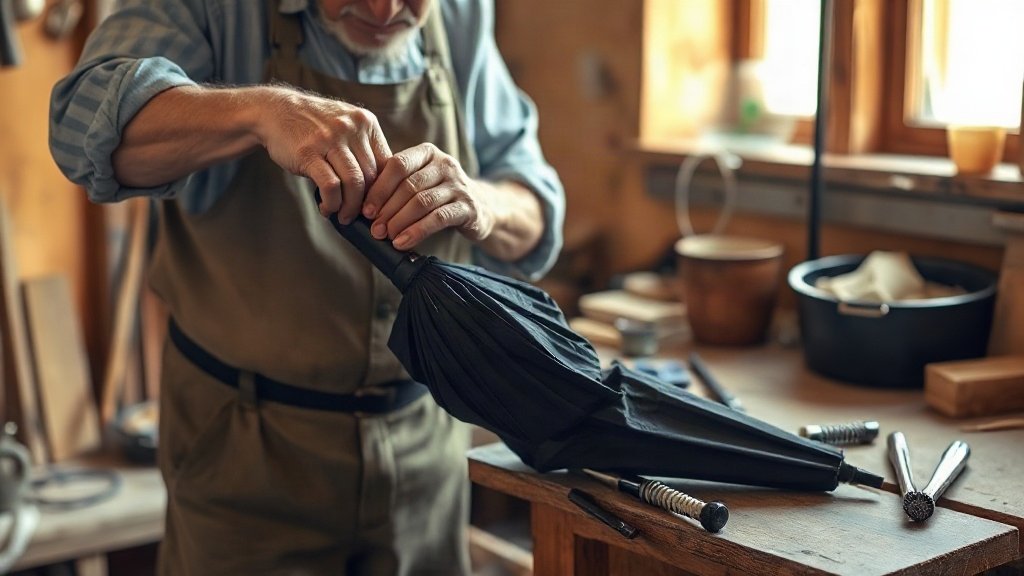
Illustration: AI-generated image
In the heart of Zagreb, a single master still keeps alive a craft that once filled the city's streets: umbrella making and repair. Tomislav Cerovečki runs the last family workshop of its kind, a business whose roots go back to 1912. He recalls when seven such artisans worked in the capital; today he is the only one left.
"Every city in Croatia has at least someone who produces or repairs umbrellas, but industrial production is a completely different niche," Cerovečki told N1. His handcrafted umbrellas attract customers who prefer to repair rather than replace. Repair prices range from €2 to €50, depending on the damage.
The decline of such workshops is visible across Zagreb. Once common on streets like Ilica, repair shops for shoes, watches, and clothing have largely disappeared. One local resident, who regularly brings umbrellas to Cerovečki, said she was raised to fix things that are only slightly broken. "If he closes, what will we do? There are more of us in Zagreb who like to repair old things," she said.
Another passerby pointed to empty shopfronts near Kvaternikov trg and Vlaška Street, saying: "It used to be every third shop was a craftsman. Now there's no one. Young people aren't really keen on it."
Data from the Croatian Chamber of Trades and Crafts (HOK) shows a mixed picture. Overall enrolment in craft programmes rose by about six per cent in 2025 to more than 8,300 students. However, some trades are being abandoned: no students enrolled for watchmaking for the fifth year in a row, and none for shoemaking last year. Tailoring saw 79 new students, double the number from five years ago, but still far below demand. In the last five years, only four people passed the master exam for watchmaking in all of Croatia, and just one for shoemaking.
Shoemaker Miljenko, whose workshop is a few streets from Cerovečki's, remains enthusiastic. "It's a very nice job. It's art, at the end of the day," he said, adding that it is well paid. "Everyone wants to work with computers, nobody wants to do this. But it's not hard work—you need a bit of creativity."
While some traditional crafts may fade, those who continue find loyal customers who value repair over replacement. As long as people want to keep their old umbrellas, shoes, and watches, there will be a need for the masters who know how to fix them.