A Guide to Croatia's Christmas Traditions: From Badnjak to Koleda
Discover the customs that make a Croatian Christmas special, from the yule log of Badnjak to the carol singing of koleda, and where to experience them.
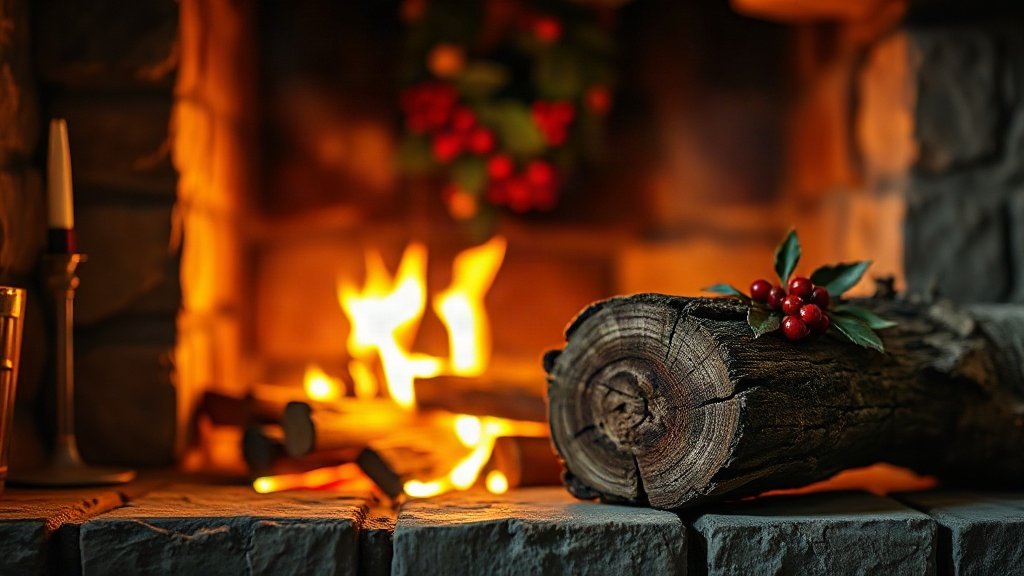
Illustration: AI-generated image
Christmas in Croatia is a rich tapestry of religious devotion and folk custom, with many traditions rooted in pre-Christian winter solstice celebrations. From the lighting of the Badnjak yule log to the cheerful koleda carol singing, each region adds its own distinctive flavour to the season.
Badnjak: The Yule Log on Christmas Eve
On Christmas Eve, known as Badnjak, families traditionally bring an oak log or branch into the home. It is often decorated with ivy, straw, and sometimes small candles. In the evening, the log is lit in the hearth, symbolising warmth, light, and the continuity of family life. In many coastal areas, three logs are burned together, representing the Holy Trinity. In urban homes without fireplaces, the tradition continues symbolically with a decorated branch placed in a prominent spot.
Koleda: Door-to-Door Carol Singing
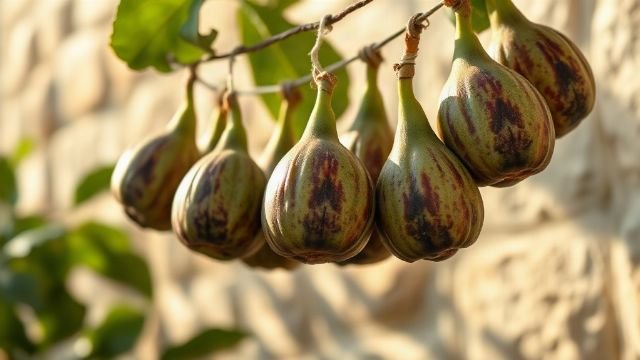
Across Dalmatia, Slavonia, and other regions, groups of carol singers known as koledari go from house to house on Christmas Eve and Christmas Day. They sing traditional songs that wish health, good harvests, and prosperity for the coming year. Householders often reward them with treats such as dried figs, nuts, or small gifts. The word koleda derives from the Roman calendae, highlighting the custom's ancient roots that predate Christianity.
Midnight Mass and Polnoćka
Midnight Mass, called polnoćka, is a central event in churches throughout Croatia. Local choirs often perform traditional Croatian carols, filling the stone interiors with resonant harmony. After Mass, families and friends gather for warm drinks and seasonal sweets, continuing the celebration into the early hours.
Live Nativities and Processions
Many towns stage live nativity scenes, or žive jaslice, in historic squares and church grounds. Dubrovnik's Old Town hosts one of the most atmospheric, with costumed participants re-enacting the biblical story amid stone streets. Smaller villages in Istria and Zagorje also create open-air nativity displays. On Epiphany, coastal communities often hold processions and blessing of the sea, blending Christian rites with maritime heritage.
Seasonal Foods and Regional Flavours
While not the sole focus of the season, certain dishes are inseparable from a Croatian Christmas. On Christmas Eve, Dalmatian families traditionally serve bakalar (dried cod), while in the continental north, sarma (cabbage rolls) takes pride of place. Sweet treats like fritule (small doughnuts) appear on tables from Istria to Dubrovnik, reflecting the country's culinary diversity.
Experiencing a Croatian Christmas
Visitors can join public celebrations such as Christmas concerts, midnight Mass, and Advent market performances in cities like Zagreb, Split, and Rijeka. For a more intimate experience, attending a village church service on Christmas Eve offers a glimpse of local customs that have been passed down for generations.