Pisanice: A Guide to Croatia's Traditional Easter Eggs
Discover the art of pisanice, Croatia's beautifully decorated Easter eggs, and learn about the techniques, symbolism and regional styles behind this beloved tradition.
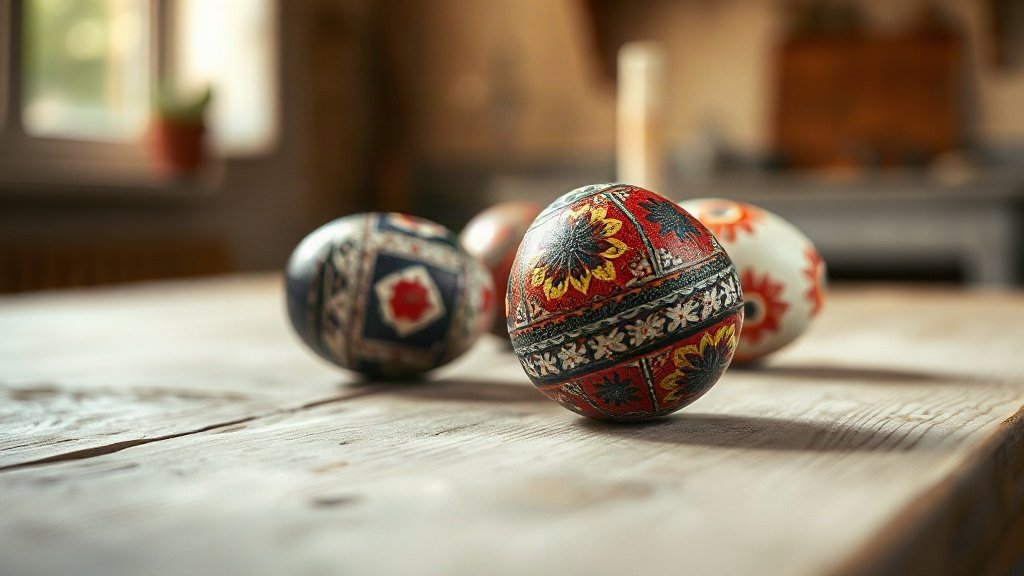
Illustration: AI-generated image
As Easter approaches, one of the most charming Croatian customs comes to life: the decoration of pisanice, traditional Easter eggs adorned with intricate patterns and rich symbolism. Far more than a simple holiday craft, pisanice represent a living link to centuries of folk art, belief and community celebration.
What Are Pisanice?
The word pisanice comes from the Croatian verb pisati, meaning "to write". These eggs are not simply dyed; they are "written" upon using a wax-resist technique that produces delicate, often geometric designs. The tradition is widespread across Croatia, with distinct regional variations that reflect local identity and heritage.
History and Symbolism
Decorating eggs in spring predates Christianity, rooted in ancient pagan celebrations of renewal and fertility. With the arrival of Christianity, the egg took on new meaning as a symbol of the Resurrection. The colours used carry their own significance: red, the most common colour, represents Christ's blood and the joy of Easter; black symbolises death and mourning; white stands for purity; and yellow for the sun and harvest. Motifs such as rosettes, crosses, plants, animals and geometric shapes often convey wishes for health, fertility, and protection.
The Wax-Resist Technique
The classic method of making pisanice involves a tool called a pisaljka — a small wooden stick with a metal funnel at one end. Melted beeswax is drawn through the funnel to "write" patterns on the egg. The egg is then dipped into a dye bath, traditionally made from natural materials like onion skins, beetroot, walnut shells or oak bark. Where the wax was applied, the dye does not penetrate, leaving the pattern in the original shell colour. This process can be repeated with multiple colours, building up complex layered designs. Finally, the wax is gently removed by warming the egg, revealing the finished pisanica.
Regional Styles
Each region of Croatia has its own recognizable style. In Slavonia and Baranja, eggs often feature dense geometric patterns in deep reds and blacks. Podravina is known for fine, lace-like designs, while Međimurje uses bold, contrasting colours with floral motifs. In Dalmatia, especially around Dubrovnik, you will find eggs decorated with delicate scrollwork and Christian symbols. Some areas also use a scratching technique, where dye is scraped away to create white lines in contrast.
Where to Experience Pisanice Today
The tradition remains alive through workshops, school projects and family gatherings held in the weeks before Easter. Many ethnographic museums across Croatia display historical examples, and during Easter markets, local artisans often demonstrate the craft. Visitors with an interest in folk art can find pisanice for sale as souvenirs, each one a small, fragile piece of Croatian heritage. If you are in Croatia during Lent, keep an eye out for community workshops where you can try your hand at this ancient practice.