A Guide to Ojkanje: Croatia's Unique Voice-Shaking Singing
Discover ojkanje, the ancient polyphonic singing style from Croatia's Dalmatian hinterland, recognised by UNESCO for its powerful vocal technique and deep cultural roots.
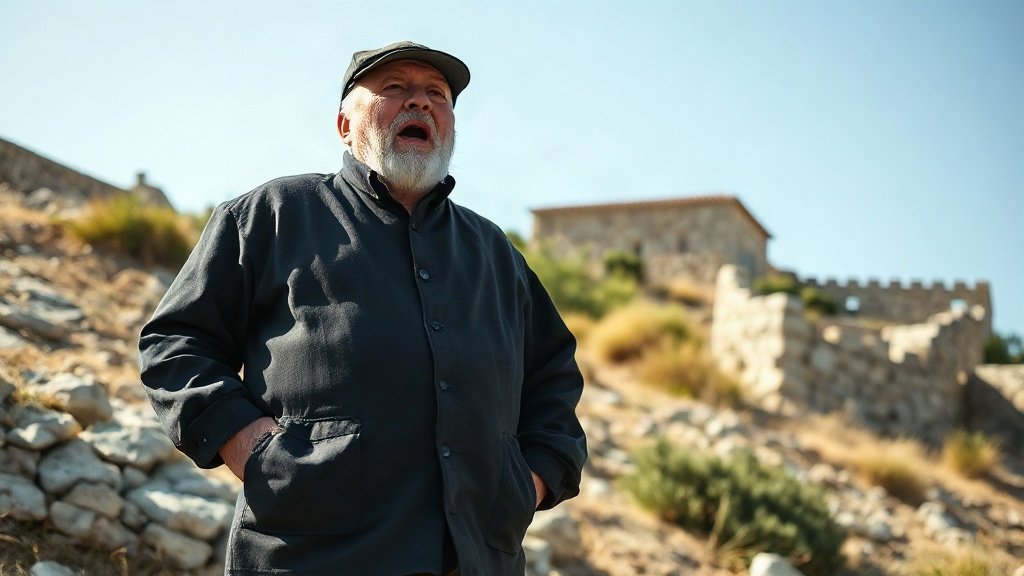
Illustration: AI-generated image
When you travel through the rugged landscapes of Croatia's Dalmatian hinterland, you might hear a sound that seems to come from another time. It is raw, piercing and deeply moving: two voices intertwining in a distinctive, trembling vibrato. This is ojkanje, one of Croatia's most ancient and cherished folk singing traditions.
What is ojkanje?
Ojkanje is a traditional style of polyphonic singing that originated in the Dalmatian hinterland and parts of neighbouring Bosnia and Herzegovina. The name comes from the characteristic exclamation 'oj' or 'ojk', which singers often use to begin or punctuate their phrases. The defining feature of ojkanje is a unique vocal technique called 'potresanje' (shaking), where the singer produces a rapid, forceful oscillation of the voice. This creates a powerful, almost metallic sound that can carry across valleys and hills.
Typically performed by two or more singers, ojkanje involves a lead voice singing the melody while others provide a drone or a second part that follows in parallel thirds or fourths. The songs are often sung at full volume, with a raw, open-throated tone that reflects the harsh, stony environment of the region.
Where does it come from?
Ojkanje has deep roots in the rural communities of the Dalmatian Zagora, the hinterland stretching from the hinterland of Zadar and Šibenik to the Dalmatian highlands near Sinj and Imotski. Historically, it was performed during daily work, social gatherings, and important life events such as weddings and harvests. The songs often accompanied the rhythm of manual labour, providing a sense of unity and endurance.
The tradition is closely linked to the old Dinaric cultural zone, which spans across the Dinaric Alps. Its origins are believed to pre-date modern Croatian identity, possibly tracing back to pre-Slavic Illyrian or early Slavic vocal practices. Despite centuries of change, ojkanje has survived as a living link to the region's ancestral past.
How does it sound?
For first-time listeners, ojkanje can be startling. The vocal technique involves a deliberate, rapid vibrato that is much wider and more aggressive than that used in classical music. Singers often describe it as 'singing from the stomach', using abdominal force to create the shaking effect. The result is a sound that is raw, archaic and emotionally charged.
The songs are typically short, consisting of a few melodic phrases that are repeated with variations. Lyrics often deal with themes of love, nature, hardship and community. The singing is usually unaccompanied, relying solely on the power and precision of the human voice.
UNESCO recognition and preservation
In 2010, UNESCO inscribed ojkanje on its List of Intangible Cultural Heritage in Need of Urgent Safeguarding. This recognition highlights the tradition's vulnerability due to rural depopulation, the ageing of practitioners, and the influence of modern music. Today, only a small number of older singers in remote villages still practise the authentic form.
Efforts to preserve ojkanje include documentation projects, workshops organised by local cultural associations, and performances at festivals such as the Ojkanje Festival in Vrlika. Despite these efforts, the future of ojkanje remains uncertain, making it all the more precious for those who hear it today.