Franz Joseph I: The Habsburg Emperor Who Ruled for 68 Years
Franz Joseph I's 68-year reign brought stability, change, and the Austro-Hungarian Compromise, shaping the region we know today.
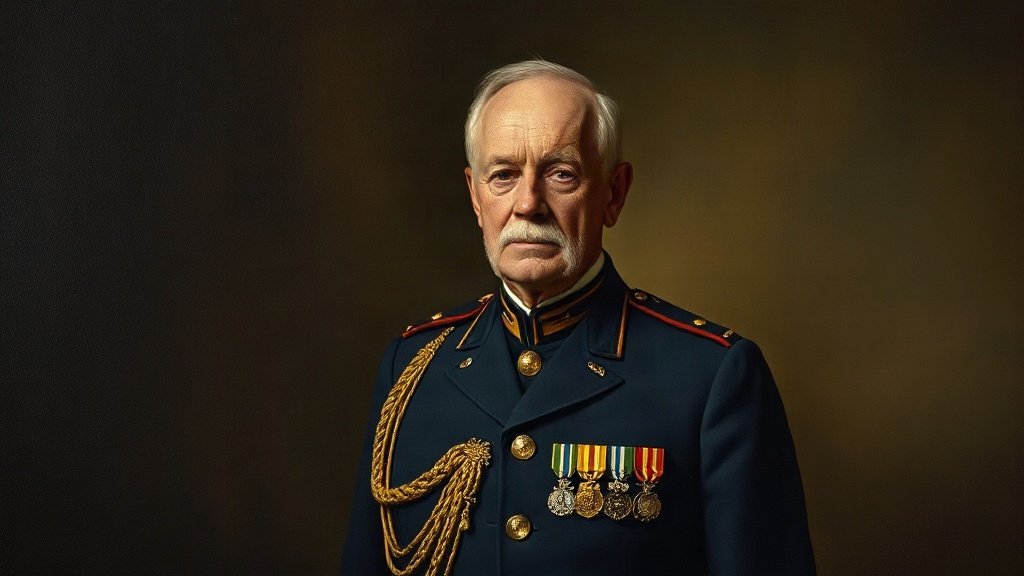
Illustration: AI-generated image
Franz Joseph I was one of the most recognisable statesmen of the 19th century, ruling the Habsburg monarchy for an extraordinary 68 years. His reign, which began in 1848 and ended with his death in 1916, saw sweeping social and political changes across Central Europe — and left a lasting mark on Croatia.
Born in 1830, he came to the throne unexpectedly during the revolutionary upheavals of 1848. Following the abdication of King Louis Philippe in France, tensions in Vienna reached a boiling point. The unpopular emperor Ferdinand I stepped aside, and 18-year-old Franz Joseph was proclaimed the new Austrian emperor on 2 December 1848.
His early years were shaped by senior advisers. Foreign minister Alexander Bach imposed strict controls on political activity, allowing Vienna to dictate policy. Franz Joseph also pursued an active foreign policy, but the decade of the 1850s proved relatively peaceful and stable.
A marriage that cooled with time
In 1853, Franz Joseph met Elisabeth of Bavaria, and the two married the following year. He was 23, she just 15. Initially romantic, their relationship became formal and distant over the years, as the empress struggled with court life and withdrew from politics. Despite this, she remained popular, especially in Hungary, and helped ease tensions there.
Defeats and the great compromise
The 1860s brought difficult challenges. In the struggle for German unification, Otto von Bismarck outmanoeuvred the Habsburgs, and Austria suffered a decisive defeat by Prussia in 1866. The loss weakened Franz Joseph's position, and Hungarian demands for autonomy grew louder. Faced with an ultimatum — autonomy or separation — the emperor agreed to the Austro-Hungarian Compromise of 1867.
The compromise created a dual monarchy: Franz Joseph remained king of the whole state and controlled the common army, but finance and governance were split between Vienna and Budapest. For Croatia, this meant being placed under Hungarian administration. Franz Joseph reportedly believed the Hungarians should grant Croats their rights to ensure order, but he did not interfere, leaving the matter to Budapest.
Later years and legacy
The emperor faced personal tragedy when his son, Crown Prince Rudolf, was found dead in the late 1880s. Despite such sorrows, Franz Joseph continued to rule until his death in 1916, just two years before the empire he had held together finally collapsed.
During the peaceful decades after the compromise, Franz Joseph sponsored major infrastructure projects and encouraged industrialisation across his realm. His long reign influenced the development of Croatia and the wider region, shaping institutions and borders that would echo into the 20th century.