A Guide to Pula Arena: Croatia's Magnificent Roman Amphitheatre
Discover the history and enduring allure of Pula's Roman amphitheatre, one of the best-preserved ancient arenas in the world.
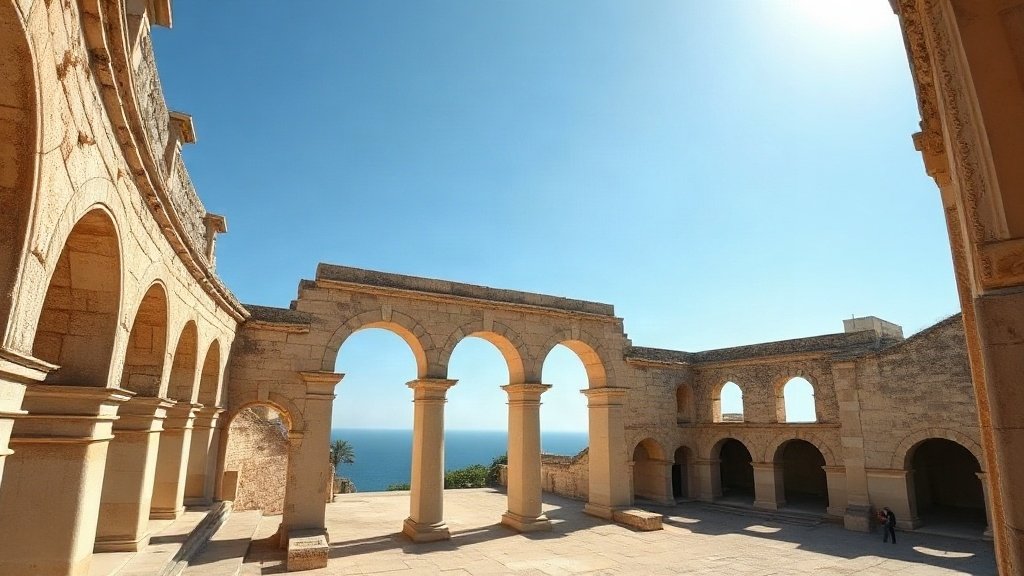
Illustration: AI-generated image
Rising from the heart of Pula, the amphitheatre known as the Arena is one of Croatia's most iconic landmarks and among the best-preserved Roman amphitheatres in the world. With its towering limestone walls overlooking the Adriatic, it has drawn travellers for centuries and remains a powerful reminder of Istria's ancient past.
A Roman Legacy by the Sea
Pula's Arena was constructed in the 1st century AD, during the height of the Roman Empire, when the city was an important administrative centre. Designed to host gladiatorial contests, wild animal hunts and other public spectacles, it could hold up to 20,000 spectators. The amphitheatre's elliptical shape and tiered seating reflect the advanced engineering of the time, and its position just a short walk from the sea made it a focal point of Roman urban life.
Architectural Marvel
The Arena is the sixth largest surviving Roman amphitheatre and the only one with four side towers and all three Roman architectural orders fully preserved. Its outer wall rises to a height of over 30 metres in places, built from local limestone. Beneath the arena floor lies a network of underground passages once used to hold gladiators and animals before they entered the stage. Today, these spaces host exhibitions that explore the ancient production of olive oil and wine, two pillars of Istrian heritage.
A Symbol of Istria
For centuries after the fall of Rome, the Arena stood as a silent witness to Pula's changing fortunes. It was used for medieval jousting tournaments, served as a quarry for building stone, and at times even housed livestock. Yet its sturdy construction ensured its survival, and by the 19th century it had become a subject of romantic fascination for travellers on the Grand Tour. Restoration efforts in the 20th century returned much of its former grandeur, allowing visitors to appreciate its original scale.
The Arena Today
Far from being a silent ruin, the Arena remains a vibrant cultural venue. Each summer it hosts performances ranging from classical music to rock concerts, and it serves as the main stage for the Pula Film Festival, one of Croatia's oldest film events. Visitors can walk through the stands, stand on the arena floor and imagine the roar of ancient crowds, or simply admire the structure from the surrounding streets where cafés offer views of this timeless monument.
Whether you are a history enthusiast, an architecture lover or simply curious about Croatia's layered heritage, the Pula Arena offers a tangible link to the Roman world. Its enduring presence is a testament to the craftsmanship and ambition of those who built it nearly two thousand years ago.