A Guide to Croatia's Mythical Creatures: Vila, Krsnik, Vukodlak and Mora
From mountain fairies to shape-shifting protectors, Croatian folklore is filled with fascinating supernatural beings that reflect the country's landscapes and history.
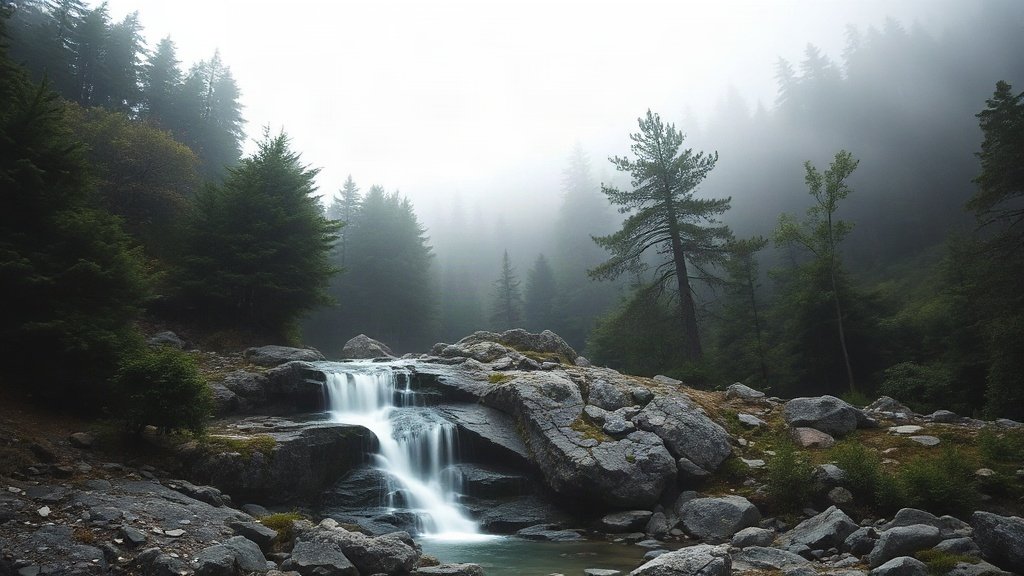
Illustration: AI-generated image
Long before modern borders, the lands of Croatia were home to a rich tapestry of folk beliefs. Villagers, shepherds and fishermen told stories of supernatural beings that inhabited the mountains, forests and seas. These creatures, deeply rooted in Slavic and pre-Slavic traditions, were not just tales to frighten children; they explained the unexplainable and kept communities connected to nature.
Today, these myths survive in literature, art and local customs, offering a window into Croatia's cultural soul. Here are four of the most enduring mythical figures from Croatian folklore.
Vila – The Mountain Fairy
The Vila (plural: vile) is perhaps the most beloved mythical being in Croatian tradition. Described as a beautiful young woman with long golden hair, she dwells in high mountains, near clear springs or by secluded lakes. Vile are often benevolent but can be capricious; they may help lost travellers, teach songs and healing herbs, or punish those who disturb their sacred places.
In many legends, a Vila can become a mortal's sworn sister (posestrima) or fall in love with a hero. However, if betrayed, her vengeance is swift and terrible. The Velebit and Biokovo mountains are especially rich in Vila lore, and folk songs often feature her dancing in moonlit clearings.
Krsnik – The Protector Against Evil
The Krsnik is a unique figure from Istrian and Kvarner folklore. Born with a caul (a membrane over the head), a Krsnik is destined to fight evil forces, particularly vampires (vukodlaci or štrigoni). At night, his spirit leaves his body and battles these malevolent beings, often taking the form of a white animal like a horse, dog or ox.
The Krsnik is always a force for good, protecting his village from disease, bad harvests and supernatural attacks. His opposite is the štrigon or vukodlak, who uses dark magic. This dualism reflects a deep-rooted belief in the constant struggle between light and darkness, a theme still present in local traditions.
Vukodlak – The Shapeshifter Between Worlds
The Vukodlak is often translated as 'werewolf', but in Croatian folklore it is more complex. While it can appear as a wolf, the vukodlak is primarily a vampire-like creature – the restless spirit of a person who died in sin or was buried improperly. It rises from the grave at night to haunt the living, sometimes sucking blood or spreading plague.
Beliefs about the vukodlak vary by region. In Dalmatia and the islands, it is a corpse that does not decompose and wanders as a shadowy figure. In Zagorje and Slavonia, it may be a sorcerer who can transform into a wolf. Protective measures included burying the dead with hawthorn stakes, placing stones in the mouth, or cutting the tendons behind the knees – grim but fascinating remnants of ancient fear.
Mora – The Nightmare Bringer
The Mora is a nocturnal spirit, often depicted as a woman or a wisp of light, which sits on a sleeper's chest and causes terrifying nightmares, or 'mora' (the Croatian word for nightmare). Sometimes the Mora is thought to be the soul of a living person, usually a woman, who unknowingly leaves her body at night to torment others.
To ward off a Mora, people placed amulets, brooms, or bowls of water near the bed, or hung garlic above the door. The Mora is closely related to the pan-European 'mare' of Germanic folklore and shares traits with the Slavic kikimora, highlighting the deep cultural connections across the continent.
Other Spirits of Home and Hearth
Beyond these major figures, Croatian folklore includes countless other beings. The Domaći (or kućni duh) is a house spirit that protects the family and livestock, often appearing as a snake which must never be harmed. The Vodenjak (water man) lurks in rivers and lakes, while the Šumski duh (forest spirit) guards the woods. Each region has its own variations, shaped by geography and history.
These myths are not just relics of the past. They appear in the works of writers like Ivana Brlić-Mažuranić, in contemporary fantasy art, and in festivals that celebrate local heritage. Exploring them offers a deeper understanding of Croatia's cultural identity and its enduring bond with the natural world.