A Guide to Krapanj: Croatia's Sponge Diving Island
Step onto Krapanj, one of Croatia's smallest inhabited islands, where car-free lanes, stone houses and a centuries-old sponge diving tradition create a quiet Adriatic escape.
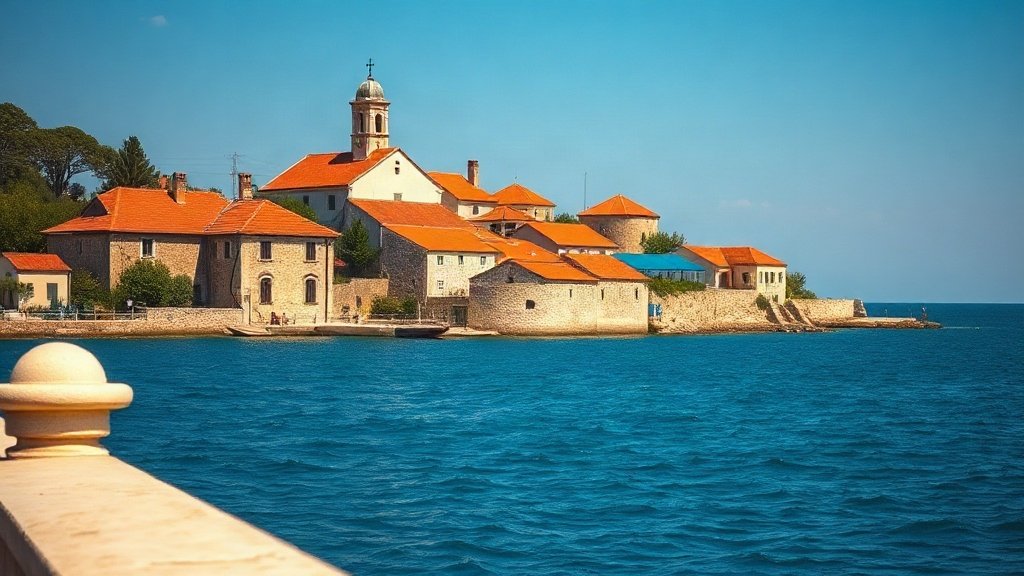
Illustration: AI-generated image
Just a short boat hop from the mainland near Šibenik, Krapanj feels like a pocket of old Dalmatia suspended in time. This tiny island, one of the smallest inhabited in the Adriatic, has no cars, no busy resorts and no rush. What it does have is a remarkable history tied to the sea—specifically, the ancient art of sponge diving.
A tiny island with a big history
Krapanj’s story is inseparable from sponges. For centuries, local divers plunged into the depths to harvest natural sponges, a trade that once supported the entire community. The tradition is said to have been introduced by Franciscan friars who brought knowledge from the eastern Mediterranean, and it shaped the island’s identity. Today, while commercial sponge harvesting has declined, the legacy remains visible in the stone houses, the small museum and the occasional demonstrations of traditional diving techniques.
What to see and do
The island is best explored on foot. Narrow lanes wind between tightly packed stone houses, many with characteristic red-tiled roofs and small courtyards. The heart of the village is the Franciscan monastery, whose church and modest museum hold artefacts related to sponge diving and local history. A short stroll brings you to the waterfront, where fishing boats bob gently and views stretch across the channel to the mainland.
Krapanj is a place for slow travel. Sit on a bench by the harbour, chat with residents who still mend nets or tend olive groves, and savour the absence of traffic noise. The island’s small pebble beaches are quiet even in high summer, and the surrounding waters are clear and calm—perfect for a refreshing swim before catching the boat back.
Getting there and around
Krapanj is easily reached from Brodarica, a coastal settlement just a few kilometres south of Šibenik. Park near the waterfront and look for the small passenger boats that shuttle across the narrow channel throughout the day. The crossing takes only about five minutes, and once on the island, everything is within easy walking distance. Allow at least two to three hours to see the main sights, or pack a picnic and linger longer—Krapanj rewards those who take their time.