A Guide to Croatia's Dry Stone Walls: UNESCO Heritage of Hand-Built Landscapes
Discover the art of dry stone walling in Croatia, a UNESCO-recognised tradition that has shaped the Adriatic landscape for centuries. Here's where to see these remarkable structures and why they matter.
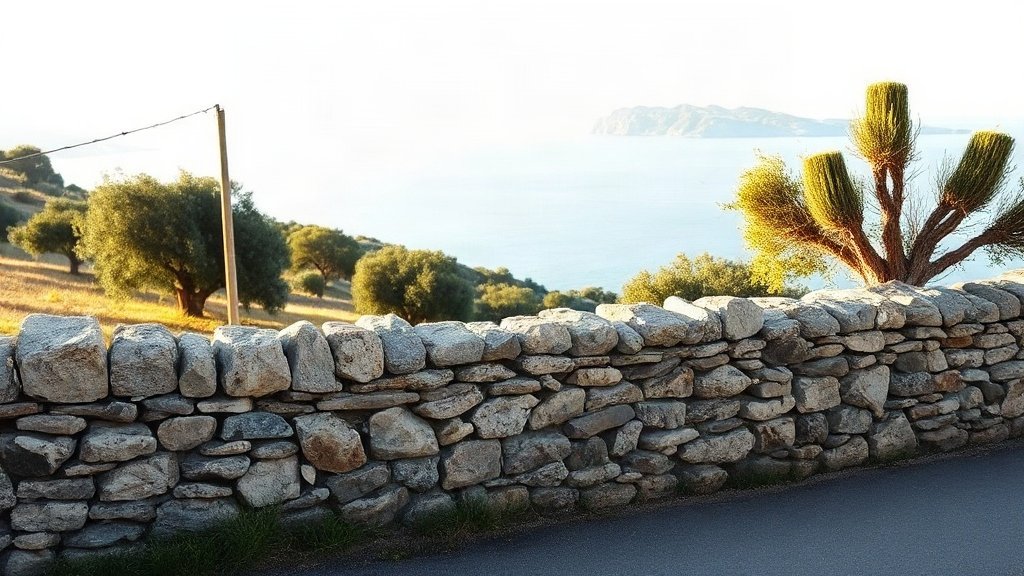
Illustration: AI-generated image
Croatia's rugged Adriatic coastline is criss-crossed by thousands of kilometres of dry stone walls – sturdy, mortarless structures that have defined the landscape for millennia. Built entirely by hand from locally gathered stone, these walls are far more than agricultural boundaries; they are a living testimony to human ingenuity and harmony with nature. In 2018, the art of dry stone walling was inscribed on UNESCO's Representative List of the Intangible Cultural Heritage of Humanity, recognising the shared tradition across several Mediterranean countries, including Croatia.
For travellers, these walls are an ever-present yet often overlooked feature of the Croatian countryside. Understanding their story adds a rich layer to any journey through Dalmatia, Istria, or the islands.
A tradition carved from stone
Dry stone walling is the craft of building without any binding material. Stones are carefully selected and placed so that their weight and friction hold the structure together. This technique, perfected over centuries, was essential for survival in a karst landscape where arable soil was scarce. Farmers cleared rocky ground, piling stones into walls that simultaneously marked boundaries, prevented soil erosion, and created terraces for cultivation.
The walls also gave rise to distinctive shelters known as kažuni in Istria or bunje in Dalmatia – small, corbelled huts built entirely of stone, used by shepherds and farmers as temporary refuges. These structures, often round with conical roofs, dot the landscape like ancient sentinels.
Beyond agriculture, dry stone walls provided protection from strong winds, delineated property, and supported olive groves, vineyards, and orchards on steep slopes. Each region developed its own style, reflecting local geology and cultural practices.
Where to see remarkable examples
The best way to appreciate dry stone walls is to simply wander through rural Croatia. Here are some areas where they are particularly prominent:
- Island of Krk – The island's interior is a labyrinth of dry stone walls, some dating back to pre-Roman times, which create a patchwork of small fields and pastures.
- Istria – Inland Istria is dotted with kažuni, especially around the town of Vodnjan, where a dedicated trail showcases these stone huts.
- Pelješac Peninsula – The steep vineyards of Dingač and Postup are supported by terraced dry stone walls, a testament to the labour of generations of winemakers.
- Island of Hvar – The UNESCO-listed Stari Grad Plain features ancient dry stone walls that have divided agricultural plots since the 4th century BC, making it one of the oldest continuously farmed landscapes in the Mediterranean.
- Konavle region – South of Dubrovnik, the hillsides are sculpted into terraces held by dry stone walls, with charming stone huts and water channels.
When visiting these areas, remember that the walls are fragile and still functional. Do not climb on them or remove stones; they are private property and part of a living heritage. Some regions offer interpretive trails or guided walks that explain the building techniques and history.
Why they matter today
Dry stone walls are ecological corridors, providing habitat for lizards, insects, and small mammals. They help prevent soil erosion and manage water flow, crucial in a karst terrain prone to drought and flash floods. Their construction requires no energy or imported materials, making them a sustainable building practice.
In recent decades, rural depopulation and agricultural decline led to the neglect of many walls. Fortunately, there is renewed interest in preserving this heritage. Local associations and volunteers organise workshops to teach dry stone techniques, and some walls are being restored to maintain the landscape's character. For visitors, appreciating these structures supports the communities working to keep the tradition alive.
As you travel through Croatia, take a moment to look beyond the beaches and old towns. The humble dry stone wall is a quiet masterpiece – a reminder of the patient, skilled hands that shaped this land.