Setting Up a Home Office in Croatia: A Step-by-Step Guide
From zoning rules to tax deductions, here's what you need to know before running your business from home in Croatia.
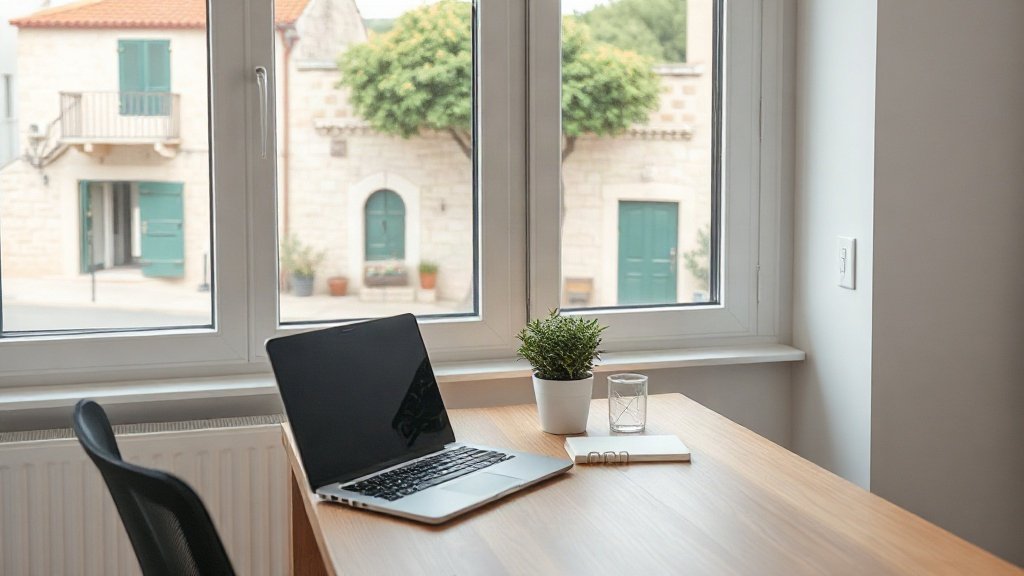
Illustration: AI-generated image
Running a business from home is increasingly popular in Croatia, whether you're a freelancer, a digital nomad or a small company looking to cut overheads. The good news is that Croatian law allows you to register a business at a residential address, but there are a few important rules to follow.
Check the legal requirements first
Before you start, you need to confirm that your intended home office is permitted under local zoning regulations. In most residential zones, carrying out "quiet" professional activities that do not disturb neighbours (such as office work, consulting or IT services) is allowed. However, businesses that involve frequent client visits, noise, odours or increased traffic may require additional permits or be prohibited altogether. It is wise to check with your local municipal office (upravni odjel za prostorno uređenje) before registering.
If you are renting, your lease agreement or house rules may also restrict commercial use. Always obtain written consent from your landlord before registering a business at the address.
Registering your business at a home address
When registering a sole trader (obrt) or a limited liability company (j.d.o.o. or d.o.o.), you will need to provide the official address of your business. Using your home address is perfectly acceptable; you do not need a separate commercial space. However, keep in mind that this address will appear on invoices, contracts and public registers. Some entrepreneurs choose to use a virtual office address for privacy, but that involves additional cost.
Tax deductions for home office expenses
One of the benefits of working from home is the ability to deduct a portion of your household costs as business expenses. Under Croatian tax rules, you may deduct costs that are directly related to your business activity, such as internet, phone bills and office supplies. For shared expenses like electricity, heating, water and rent (if you rent), you can deduct only the proportion that corresponds to the floor area used exclusively for business. The standard approach is to calculate the percentage of your home's total square metres dedicated to the office, and apply that percentage to shared bills. You must be able to justify the calculation with documentation if asked by the tax authority.
If you own your home and use part of it for business, you may also be able to depreciate a corresponding share of the property's value, but this can have implications for capital gains tax if you later sell the property. It is advisable to consult a tax advisor to optimise your deductions.
Practical considerations for remote workers
For digital nomads and remote employees of foreign companies, the rules are slightly different. If you are employed by a foreign employer and simply working from your home in Croatia, you are not required to register a business, but you must comply with tax and social security obligations, which often depend on bilateral agreements. Setting up a dedicated workspace in your rented apartment is usually unproblematic as long as you are not receiving clients or changing the use of the property.
Finally, remember that having a home office does not change your obligation to comply with health and safety regulations if you have employees. If you plan to hire staff who will work from your home, you will need to ensure the workspace meets basic safety standards, which may be more challenging in a residential setting.
With careful planning, a home office can be a cost-effective and flexible way to run your business in Croatia. Always verify current rules with local authorities or a professional, as regulations can be updated.